Senior Health: Your GoodRx Guide


People around the world are living longer than ever before. By 2030, 1 in 6 people will be 60 or older. Everyone experiences changes to their mind and body as they get older. But there are many things people can do to age in a healthy way.
The typical changes that occur with aging are different for everyone. Some common concerns for older adults include:
Changes in hearing and vision
Challenges with balance and muscle strength
A less robust immune system
Slower walking and movement
Less control over bowel and bladder
Thinking more slowly or taking more time to remember
Healthy aging is about more than what happens to the body. It’s about being able to do activities you enjoy, keep up important relationships, and live in a way that has meaning for you.


Search and compare options
Being active is one of the best ways to stay healthy as you age. Any type or amount of exercise makes a difference.
Let’s take a look at four types of exercise, how they help older adults, and some target goals for each type.
Cardio helps you keep a healthy weight and blood pressure. And research shows it helps to keep the heart, bones, and brain healthy.
Examples of cardio include walking, hiking, swimming, cycling, and dancing. Aim for 150 minutes a week of moderate cardio exercise. An alternative is 75 minutes a week of more intense cardio exercise.
To keep muscles strong, use weights or resistance bands. You can also do exercises that use your own body weight. Strength training helps with weight management, mobility, and bone health. Try to do muscle strengthening exercises at least 2 days a week.
Activities that help with balance include yoga, tai chi, standing on one foot, or exercising on different surfaces. Working on your balance improves walking and helps to prevent falls. Aim to do this type of exercise at least 3 days a week.
Gentle stretches, yoga, or chair yoga can help manage stiff and achy joints. Flexibility exercises also improve mobility and help prevent falls. Try to make a habit of stretching before and after exercising.
For many people, medications are an important part of living a longer and healthier life. But it can be a challenge to remember to take them, understand their side effects, and afford them.
If you’re an older adult who takes medication, here are a few important tips:
Make a medication list. Keep a list of your medications and what you take them for. And share this list with a few key people so they can help in the case of a medical emergency.
Learn the side effects. Understand the possible side effects and interactions with other medications. Some side effects become more common in older adults, like a risk of falling. This may mean stopping certain medications when the risks or side effects outweigh the benefits.
Take them only as directed. Many medications affect people differently in older age. So, it is important to only take your medications as your healthcare provider instructs.
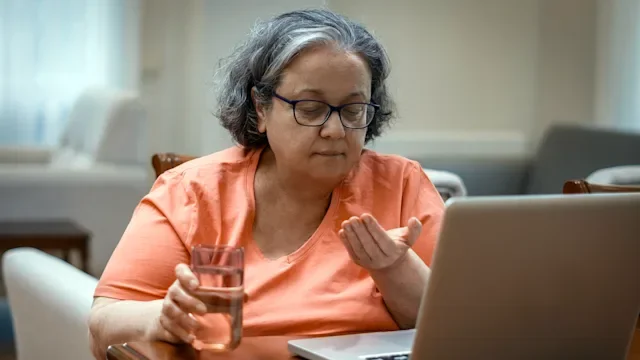
Don’t forget to take them. Find something that helps you remember your medication schedule. Many people use reminder apps and pill organizers to take their medications on time every day.
Get financial help. Medications can be expensive. But GoodRx, Medicare drug coverage, Medicaid, patient assistance programs, and private insurance are all good ways to help afford them.
Ask questions. Talk to your healthcare provider, nursing staff, and pharmacist about your questions and concerns. If you’re starting something new, repeat the instructions and get them in writing.
A healthy diet benefits people of any age. But there are some particular recommendations for older adults. Activity, appetite, and body changes all affect nutritional needs.
A healthy diet for people over 65 includes:
Lean protein like fish, poultry, and beans: Protein helps to maintain muscle mass.
Limited sodium intake: Consuming less salt can help with high blood pressure and leg swelling.
Limited sugar and processed foods: Changes in metabolism may lead to higher blood sugar and weight gain.
Vitamin D and calcium: These both help to maintain strong bones.
Plenty of fruits, vegetables, and fiber: These foods contain vitamins and minerals to keep aging systems of the body in working order. They also help to support the immune system, which needs an extra boost with age.
Hydration: Some people may need to limit their fluid intake for certain heart and kidney conditions. But in general, staying hydrated will help the body function better. It can also help prevent the side effects of some medications.
Many older adults have specialty healthcare providers who take care of specific health conditions. But it’s also important for older adults to have a primary care provider. These providers are trained in family medicine or internal medicine.
Regular checkups with a primary care provider can help you:
Get screening tests for conditions like diabetes, high blood pressure, osteoporosis, and cancer
Get vaccines to protect against disease
Review medications for side effects and interactions
Keep up with important aspects of physical and mental health
Have a safe home environment
Connect with services like home health or Meals on Wheels when needed
Older adults may also benefit from seeing a geriatrician. These physicians have extra training in healthcare for older adults.
Staying connected to other people is good for physical and mental health. When it comes to a long and healthy life for older adults, these connections may be as important as diet and exercise.
Many older adults can feel isolated from others because of the physical and social changes that come with aging. If you or someone you care about is feeling lonely, here are some helpful options:
Volunteer or mentor. Individuals and communities need the wisdom and experience of older adults.
Take a class or try a new hobby.
Get involved with a senior group, community center, or faith community.
Exercise with a partner or group.
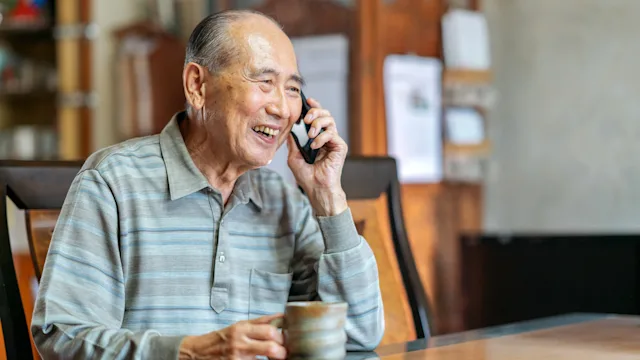
Use technology that helps you connect with loved ones who are far away.
Spend time with pets, which can help with feelings of loneliness.
Consider other living arrangements that may provide more support and community.
With brain health, the first thing that often comes to mind is a concern about memory. Most people have times when it takes a little longer to think of a word, remember a name, or figure out where they put their keys. But sometimes those moments start to interfere with your life. Or you might have trouble doing things that were once routine. That’s when it’s time to visit a healthcare professional.
But brain health affects more than memory. Other age-related changes might affect balance, movement, concentration, and emotions. It’s worth talking with a healthcare provider about these concerns, too. Sometimes medications and other treatable health conditions affect how well the brain is working.
Lifestyle habits, like a healthy diet and exercise, can help to prevent or slow down dementia. It also helps to try a new activity, learn a new skill, or connect with other people.
Older adults and caregivers may have safety concerns with some of the physical and mental changes that come with age. This is especially true when it comes to:
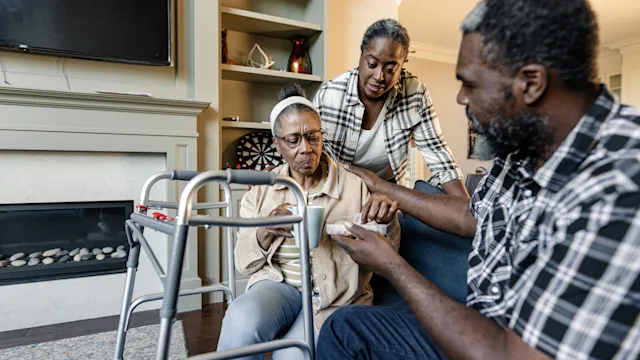
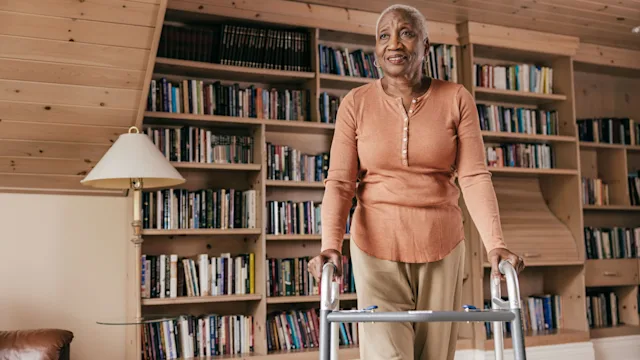
Fall prevention: This may include making changes inside the home, getting regular vision checkups, wearing supportive shoes, and using a cane or a walker for stability.
Home modifications: Make sure rooms are well lit. Move rugs or furniture that could make you trip. Use grab bars, shower chairs, and ramps.
Safe driving: Plan a route and know your limits. Have regular checkups for vision and hearing. Avoid driving if you’re taking medication that could slow reaction time.
Medical alert systems: These can give a person access to family members or emergency services after a fall or if they feel sick. They may help older adults stay independent longer, especially if they live alone.
Medication safety: Use a pill organizer or reminder app. Know your medications and their possible side effects.
It may be hard to talk with family or friends about someone’s care needs now or in the future. But planning ahead often leads to less stress for older adults and their family members.
Here are some things to consider:
Living arrangements: Think about your current home and whether it fits your physical, social, and financial situation. At some point, older adults may need help at home or a long-term care community to assist them.
Financial planning: Spending needs and priorities change as people get older. It’s worth revisiting them on a regular basis.
Advance care planning: This includes conversations and documents about the kind of medical care you want in the future and who will make decisions for you if you’re unable to make them for yourself.
If you’re not sure where to start, a social worker or geriatric care manager may be able to help older adults and families plan for the future.
Traditionally, the stages of aging have been categorized as:
Young-old: age 65 to 74
Middle-old: ages 75 to 84
Old-old: age 85 and older
But those numbers don’t tell how active or healthy a person is. Many older adults live healthy lives to their 80s and beyond.
Traditionally, the stages of aging have been categorized as:
Young-old: age 65 to 74
Middle-old: ages 75 to 84
Old-old: age 85 and older
But those numbers don’t tell how active or healthy a person is. Many older adults live healthy lives to their 80s and beyond.
The best place for older adults to live is where they’re safe and supported. For some people, that may be living in their own home or in the home of a family member. For others, it’s in a place with other people around their own age. And those needs may be different if a health condition or social situation changes.
The World Health Organization defines healthy aging as a process of developing and maintaining functional ability. That means that a person should have the physical, mental, emotional, and social capacity to live a meaningful life. Genes, behaviors, and social factors all affect this capacity.
Centers for Disease Control and Prevention. (2023). How much physical activity do older adults need?
Gothe, N. P., et al. (2016). Yoga is as good as stretching-strengthening exercises in improving functional fitness outcomes: Results from a randomized controlled trial. The Journals of Gerontology Series A: Biological Sciences and Medical Sciences.

Prescription savings
Stop paying too much for your prescriptions. Compare prices, get pharmacy coupons, and save up to 80%. Find expert answers to your health questions so you can make the best decisions for yourself and your family.
Health conditions
Medications & treatment
Access & affordability
Medication discounts