Key takeaways:
There are several reasons you might have green poop.
Most of the time green poop isn’t a cause for alarm. Certain foods, medications, and supplements can cause a green tinge in your stool.
If you have green poop that doesn’t seem to be getting better or is accompanied by other symptoms, like abdominal pain, it’s best to contact a healthcare professional.
Seeing green poop in the toilet can be surprising and unsettling. Poop is typically brown because of the way bile — a yellowish-green fluid that helps digest food — changes as it moves through your digestive tract. But normal poop can vary in color, including shades of brown and green.
In many cases, green poop is harmless. Certain foods, medications, or supplements can make your poop appear green. In other cases, though, green poop can be a sign of an underlying health issue.
So, what causes green poop? Let’s take a closer look at six of the most common causes of green poop, as well as signs that you need to seek medical care.
Search and compare options
1. Diet
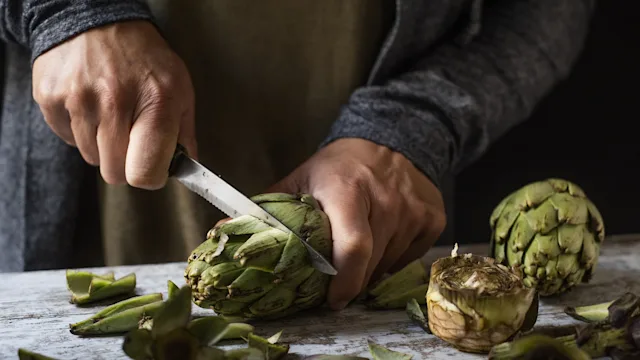
Certain foods, including green vegetables, may turn poop green. Some experts think the chlorophyll pigments in these foods are responsible.
Foods that can turn poop green include:
Blueberries
Broccoli
Kale
Spinach
Swiss chard
Sometimes, green poop may be a result of consuming food dyes or food coloring.
2. Underlying health conditions
There are times when green poop can be related to an underlying health condition. Conditions that make poop pass through your intestines faster can cause green poop. This is because there’s less time for gut bacteria to break down bile.
These conditions may include:
Irritable bowel syndrome (IBS): IBS is a gastrointestinal (GI) disorder that causes abdominal pain, bloating, and diarrhea in almost half of the people it affects.
Inflammatory bowel disease (IBD): IBD is a group of conditions that cause chronic inflammation in the intestinal tract. The two most common types of IBD are Crohn’s disease and ulcerative colitis. Diarrhea can be a common symptom of both conditions.
Bile acid malabsorption: In this condition, the bile salts that digest fats aren’t absorbed properly. This can lead to long-term diarrhea.
GI infections: Viral or bacterial infections, such as gastroenteritis, can cause diarrhea and change the color of your poop.
3. Medications and supplements
Taking certain medications and supplements can cause green poop, including:
Antibiotics: Antibiotics can change the normal bacteria in your intestines, which affects how bile is broken down.
Antidiarrheals: Antidiarrheal medications, such as bismuth subsalicylate (Kaopectate, Pepto-Bismol), can also cause green or black poop.
Laxatives: Laxative medications, like senna, cause stool to pass quickly through your intestines, which may make it look light yellow or green.
Supplements: Iron is one example of a supplement that can turn stool dark green or black.
4. Poisoning
Green poop from poisoning is rare, but it can happen. Certain toxic chemicals can affect the digestive tract and change stool color. For example, swallowing the weed killer paraquat can cause vomiting, green diarrhea, or bloody stool.

Read more like this
Explore these related articles, suggested for readers like you.


Nearly 29,000 poison exposures each year involve pesticides and other yard or garden chemicals. Remember to keep toxic chemicals out of the reach of children and others who could accidentally ingest them.
5. Infant formula
Green poop can be normal for babies, especially if they’re consuming formula. In most cases, if your baby is gaining weight and eating well, green poop is probably nothing to worry about.
But seek medical attention if you see your baby has green poop plus these warning signs:
Extra fussiness
A lack of weight gain
Very little stool
Large amounts of frothy, green stool
Rash, runny nose, or fever
6. Lifestyle habits
As mentioned above, poop can look green when it moves through your intestines too quickly for bile to fully change color. Certain lifestyle habits or changes may speed up this process and cause green poop, including:
Exercise: Increased physical activity may encourage food to move through your intestines faster.
Sleep habits: Poor sleep may be associated with diarrhea or loose stools.
Dietary changes: Major changes in what you eat can sometimes affect poop color and consistency. For example, some people notice changes in their poop when following a keto diet.
When to see a healthcare professional for green poop
Green poop isn’t usually a concern when it’s clearly linked to food, medication, or supplements. In those cases, the green poop usually resolves on its own once the cause is addressed. But don’t stop taking your medication just because of green poop. Ask the prescriber whether the color change is an expected side effect.
But it’s a good idea to get medical care if you have:
Green poop that lasts for several weeks
Changes in your bowel habits or stool consistency (such as new or ongoing diarrhea or constipation)
Abdominal pain
Blood in your poop
If there’s no obvious explanation for the color change, your primary care provider can look for an infection or underlying condition. (And the visit may also be a good opportunity to discuss whether you’re due for colon cancer screening.)
Frequently asked questions
Yes, normal poop color can include shades of brown and green. Brown is the most typical color. Other colors can come from food or medications, and they don’t necessarily signal a problem — but they can. Red poop can result from bleeding in the gut or from consuming red foods or drinks. Black poop can be caused by gastrointestinal bleeding or by medications or supplements. Pale or clay-colored poop can be a sign of an issue with the liver, gallbladder, bile ducts, or pancreas.
Treatment for green poop depends on the cause. In many cases, green poop is harmless and will resolve on its own. But if it’s related to an underlying condition, a healthcare professional will need to treat and manage that condition.
There isn’t really one universally “unhealthiest” poop color. But black, tarry, or bright red poop should be taken seriously because these colors can indicate gastrointestinal bleeding. These colors can also have harmless causes. For example, eating beets can turn poop red.
Yes, normal poop color can include shades of brown and green. Brown is the most typical color. Other colors can come from food or medications, and they don’t necessarily signal a problem — but they can. Red poop can result from bleeding in the gut or from consuming red foods or drinks. Black poop can be caused by gastrointestinal bleeding or by medications or supplements. Pale or clay-colored poop can be a sign of an issue with the liver, gallbladder, bile ducts, or pancreas.
Treatment for green poop depends on the cause. In many cases, green poop is harmless and will resolve on its own. But if it’s related to an underlying condition, a healthcare professional will need to treat and manage that condition.
There isn’t really one universally “unhealthiest” poop color. But black, tarry, or bright red poop should be taken seriously because these colors can indicate gastrointestinal bleeding. These colors can also have harmless causes. For example, eating beets can turn poop red.
The bottom line
Green poop can come as a surprise. But it’s usually harmless. Most of the time, it’s a temporary thing caused by something you ate, a medication or supplement, or stool moving quickly through your digestive tract. If your green poop is persistent or it’s accompanied by other symptoms, check in with a healthcare professional.

Why trust our experts?




References
Al-Beltagi, M., et al. (2025). Exploring the gut-exercise link: A systematic review of gastrointestinal disorders in physical activity. World Journal of Gastroenterology.
Barkun, A. N., et al. (2013). Bile acid malabsorption in chronic diarrhea: Pathophysiology and treatment. Canadian Journal of Gastroenterology.
Centers for Disease Control and Prevention. (2026). Facts about paraquat.
Cremonini, F., et al. (2009). Sleep disturbances are linked to both upper and lower gastrointestinal symptoms in the general population. Neurogastroenterology and Motility.
Hillman, E. B. M., et al. (2025). Changing gastrointestinal transit time alters microbiome composition and bile acid metabolism: A cross-over study in healthy volunteers. Neurogastroenterology & Motility.
Jana, L., et al. (2024). The many colors of baby poop. Healthychildren.org.
Lacy, B. E. (2016). Diagnosis and treatment of diarrhea-predominant irritable bowel syndrome. International Journal of General Medicine.
MedlinePlus. (2024). Stools - Pale or clay-colored.
Poison Control. (n.d.). National Poison Control call statistics, 2024. National Capital Poison Center.
Tan, C. K., et al. (2012). Green feces. The Quarterly Journal of Medicine.
Wilson, I. D. (1990). Hematemesis, melena, and hematochezia. Clinical Methods: The History, Physical, and Laboratory Examinations. 3rd Edition.