Key takeaways:
What you eat — and how you eat — both affect digestion. If you eat too much or too quickly, you might find yourself feeling very full or bloated.
Certain foods can help your bloating feel better, like fennel and berries. Certain spices can help, too, like turmeric and ginger.
In most cases, bloating will go away on its own after a few days. If it doesn’t, it may be a sign of a more serious health condition.
Bloating is the buildup of gas in your stomach or digestive tract. This can cause you to feel full or gassy or have sharp abdominal pains. Sometimes, bloating is caused by eating quickly, which can cause you to swallow air or overload your stomach. Other times, bloating happens after eating certain foods, or because of an underlying condition. Whatever the cause, small changes to your diet may help.
Foods that help bloating
Research shows that some foods and spices can help reduce bloating, especially for people with conditions like irritable bowel syndrome (IBS). Let’s take a closer look at 13 foods to consider the next time you feel gassy and need some relief.
1. Turmeric
Turmeric contains a compound called curcumin, which is known for having anti-inflammatory effects. Studies show that turmeric helps decrease bloating in people with IBS, which often leads to increased gas production.
Search and compare options
The research looks at a range of turmeric dosages. But generally speaking, 500 mg to 2,000 mg daily is considered safe. You can also try eating something with curry when you’re feeling bloated, as curry is a blend of spices that usually contains turmeric.
2. Peppermint
Peppermint oil has been shown to decrease feelings of bloating and gas, particularly in people with IBS. It contains menthol and methyl salicylate, two ingredients that have calming effects on your stomach and abdominal muscles.
Most research looks at the effects of peppermint oil supplements. The recommended dosage is 0.2 mL of peppermint oil 2 to 3 times per day for IBS symptoms, which is usually 1 to 2 capsules. But peppermint tea is another great way to get a dose of peppermint without taking a supplement.
3. Ginger
Eating ginger can help your digestion in several ways:
It helps your stomach empty faster.
It contains an enzyme that helps reduce bloat and puffiness.
Like peppermint, it also helps to relax digestive muscles.
Research suggests that 1,500 mg of ginger helps with nausea and may prevent vomiting. But the exact dose of ginger to help with bloating isn’t clear. Still, adding ginger root to a cup or two of tea is an easy and safe way to incorporate more ginger into your diet.
4. Fennel
Fennel oil can also relax intestinal muscles. This can decrease feelings of bloating or cramping by making it easier to pass gas. While more research is needed in humans, fennel has been shown to support healthy digestion in animals. One study looked at the effects of fennel and turmeric taken together and found that it decreased symptoms of IBS, including gas and bloating.
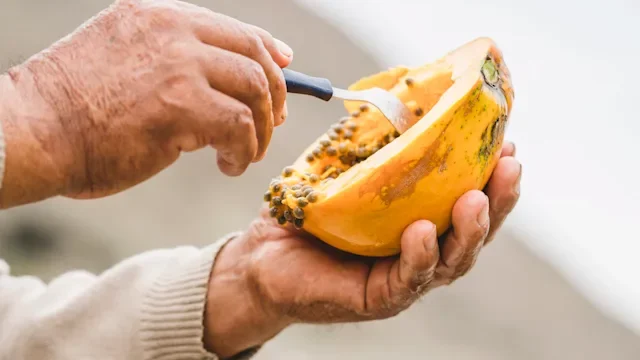
5. Papaya
Papayas contain a natural enzyme called papain, which can help support digestion. People with IBS who took 20 mL of concentrated papaya enzymes daily for 40 days reported an improvement in bloating and constipation. Scientists have mostly looked at the effects of papaya supplements rather than the whole fruit. But like the other foods listed here, it may be worth adding a cup of whole fruit to your diet if you’re feeling bloated.
6. Bananas
Is there anything bananas can’t do? In addition to their packed nutrient profile, bananas may reduce the number of gas-causing bacteria in your gut because of their fiber content. In one small study, people who ate a banana as a pre-meal snack had significantly less bloating than those who didn’t.

Read more like this
Explore these related articles, suggested for readers like you.



7. Yogurt
Some studies show that yogurt and other fermented foods may improve bloating and other markers of gastrointestinal health. These studies compared fermented or cultured milk (milk treated with certain types of bacteria) to uncultured milk or milk with acid added to it. Uncultured and acid-treated milk didn’t have the same positive effects. The researchers concluded that the digestive benefits are due to the fermentation process.
8. Kefir
Kefir is a fermented, cultured drinkable milk product. Similar to yogurt, kefir is a source of good bacteria created during the fermentation process. Drinking kefir is associated with improvements in gut health. Both yogurt and kefir may even improve digestion and tolerance of lactose, the carbohydrate found in dairy products.
9. Pickles
Other fermented foods like pickles, kimchi, and sauerkraut can help with bloating when you regularly include them in your diet. These foods are processed in a way similar to yogurt. Bacteria are added to the vegetables and allowed to sit for several days. Eating fermented foods can change your gut microbiome and improve digestive health.
10. Berries
Strawberries, blueberries, and raspberries can improve gut health and reduce bloating. Berries have antioxidants and polyphenols, which support healthy bacteria in your gut. Unlike apples, pears, and some other fruits, they’re low in fructose and FODMAPs: fermentable oligosaccharides, disaccharides, monosaccharides, and polyols. Both of these can promote bloating and gas.
11. Kiwi
Fresh kiwi fruit is a source of actinidin, a compound that aids in digestion of protein, dairy, and grains. Because of this, kiwi has been associated with reduced constipation and abdominal discomfort. One cup of kiwi also provides 5 g of fiber, which is roughly 20% of your daily needs. Eating enough fiber every day helps to keep you regular.
12. Lemon water
Drinking warm lemon water has been a popular trend for prevention of bloating for years. Lemons are a source of citric acid, a compound that can help with digestion. Adding lemon water probably won’t be a magic bullet cure for bloating, but it won’t hurt either. Water is also helpful for digestion and is a better choice than carbonated beverages for beating the bloat.
13. Oatmeal
Oatmeal is a source of both insoluble and soluble fiber. Both types of fiber are important for gut health. Soluble fiber helps keep your bowels regular. Insoluble fiber is non-digested fiber that adds bulk to your stool and speeds up bowel movements. Eating oatmeal on a regular basis can help prevent constipation and bloating.
What foods cause bloating?
It’s important to pay attention to the other end of the spectrum: foods that can cause you to feel bloated. These include:
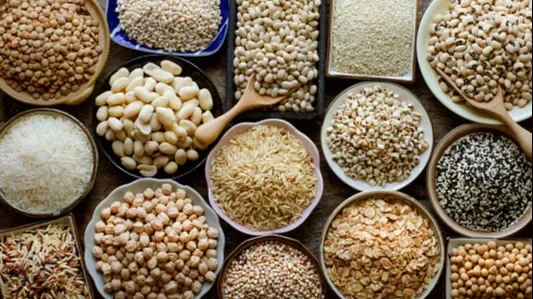
Beans, lentils, legumes, and whole grains
Gum and mints
Sugar-free products that include sugar alcohols
Fruits high in fructose (like apples and grapes)
Certain green vegetables (like Brussels sprouts, kale, cabbage, and broccoli)
Processed foods (like canned soups, packaged snacks, and frozen dinners)
Carbonated drinks (like soda and beer)
For people with lactose intolerance, dairy products will cause bloating. Lactose-free milk, yogurt, and kefir are all lower lactose options. And for people with IBS, high-FODMAP foods are often the cause of flared symptoms.
How can you prevent bloating?
There may be ways to prevent bloating even before it starts:
Eat smaller, more frequent meals.
Chew slowly and take your time when eating.
Sit up straight for 30 minutes after eating so gravity can help with stomach emptying.
Go for a leisurely walk after a large meal to help digestion.
Even when you do all the right things to help prevent bloating, it can still happen. The good news is that it shouldn’t last for too long.
How long does it take for bloating to go away?
The amount of time it takes for bloating to go away depends on what’s causing it. For example, if it’s because you drank a carbonated beverage, it should go away on its own in an hour or two. If you’re constipated, then it may take a few days until you poop to feel relief.
Beyond food, other things can cause bloating, too, like stress, hormonal changes, and other health conditions. If your bloating doesn’t go away after 1 or 2 days or is getting worse, it may be a sign that something else is going on. This would be the time to go see a healthcare professional — or maybe even the emergency room (ER) — to see if you need some testing.
And one final note: If you’re feeling self-conscious about being bloated, just remember that you probably have never noticed that someone else looks bloated. So, even though you feel uncomfortable, don’t let the worry that others might notice add to your discomfort. Be kind to yourself.
Frequently asked questions
Drinks that contain antioxidants and anti-inflammatory properties are best for gas and bloating. You can try green tea or other teas that contain:
Peppermint
Chamomile
Cinnamon
Anise
Turmeric
There’s not a lot of evidence on vitamins and supplements for reducing bloating. Most research has focused on probiotics, and even that’s inconclusive. Probiotics containing bifidobacteria may be useful for bloating. There’s also some evidence that kiwi fruit extract or papaya enzyme may be helpful.
There are over-the-counter (OTC) treatments like simethicone and activated charcoal that may help reduce bloating by breaking down gas within the gut. But there are no quick fixes. Prevention is key. Avoiding known triggers like lactose, sugar alcohols, and foods high in FODMAPs can make bloating less likely to happen in the first place.
The bottom line
Even though bloating isn’t usually a sign of something serious, it isn’t benign. It can be very uncomfortable and really disrupt your day — not to mention your diet. If you find yourself frequently bloated after meals, a few small tweaks to your diet and food choices can help. Try to eat smaller, more frequent meals. And intentionally eat a little slower to see if that helps. Adding some of the foods above may help too. But if your bloating sticks around after a day or two or starts to get worse, see a healthcare professional just to be sure.

Why trust our experts?



References
Alammar, N., et al. (2019). The impact of peppermint oil on the irritable bowel syndrome: A meta-analysis of the pooled clinical data. BMC Complementary Medicine and Therapies.
Bayer, S. B., et al. (2018). Putative mechanisms of kiwifruit on maintenance of normal gastrointestinal function. Critical Reviews in Food Science and Nutrition.
Bodagh, M. N., et al. (2019). Ginger in gastrointestinal disorders: A systematic review of clinical trials. Food Science & Nutrition.
Foley, A., et al. (2014). Management strategies for abdominal bloating and distension. Gastroenterology & Hepatology.
Garnås, E. (2023). Fermented vegetables as a potential treatment for irritable bowel syndrome. Current Developments in Nutrition.
Giacosa, A., et al. (2022). Beneficial effects on abdominal bloating with an innovative food-grade formulation of curcuma longa and boswellia serrata extracts in subjects with irritable bowel syndrome and small bowel dysbiosis. Nutrients.
Hu, M., et al. (2011). Effect of ginger on gastric motility and symptoms of functional dyspepsia. World Journal of Gastroenterology.
Kligler, B., et al. (2007). Peppermint oil. American Family Physician.
Liu, H., et al. (2021). Effects of dietary fennel (foeniculum vulgare mill.) seed powder supplementation on growth performance, nutrient digestibility, small intestinal morphology, and carcass traits of broilers. The Open Access Journal for Life & Environment Research.
MedlinePlus. (2026). Abdominal bloating.
Mitsou, E. K., et al. (2011). Effect of banana consumption on faecal microbiota: A randomised, controlled trial. Anaerobe.
MyFoodData. Kiwifruit.
Muss, C., et al. (2013). Papaya preparation (Caricol) in digestive disorders. Neuro Endocrinology Letters.
National Center for Complementary and Integrative Health. (2025). Peppermint oil.
Rauf, A., et al. (2021). Antispasmodic potential of medicinal plants: A comprehensive review. Oxidative Medicine and Cellular Longevity.
Savaiano, D. A., et al. (2020). Yogurt, cultured fermented milk, and health: A systematic review. Nutrition Reviews.
Sugerman, D. T. (2013). Abdominal bloating. JAMA.
Vahapoglu, B., et al. (2021). Recent studies on berry bioactives and their health-promoting roles. Molecules.