Key takeaways:
Certain foods and medications can cause dark stools. But this isn’t a cause for concern and doesn’t usually require any treatment.
Blood in your poop can also make it look dark or black. So it’s important to know exactly what’s causing a color change in your poop.
If your dark stools aren’t clearing — or they’re linked with other symptoms like weight loss or abdominal pain — it might be a sign of a more serious condition. In this case, it’s a good idea to see a healthcare professional right away.
When the color of your poop is darker than usual, it can be surprising and maybe a bit scary. But there are a number of foods that can cause dark stools, in addition to some common supplements and medications.
If you’re worried about changes in your poop, it’s worth going over this list to see if a common food or medication is the culprit. It’s also helpful to know the other symptoms to look out for, plus when to reach out to your healthcare team.
Foods that cause dark stools
Dark-colored foods can change the color of your poop, especially if you eat a large amount. While this color change can be startling, dark stool from eating these foods is generally harmless. And it should resolve on its own.
Search and compare options
Some of the foods that can cause dark stools include:
Black licorice
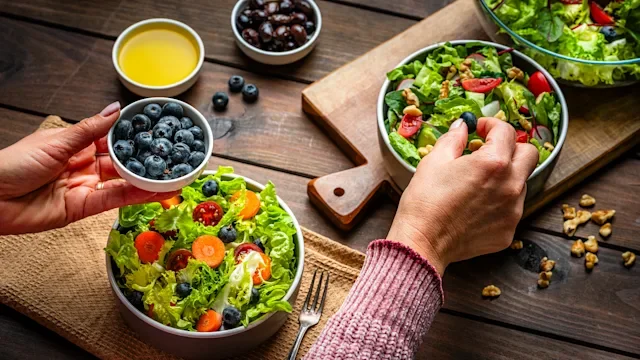
Blueberries
Blood sausage
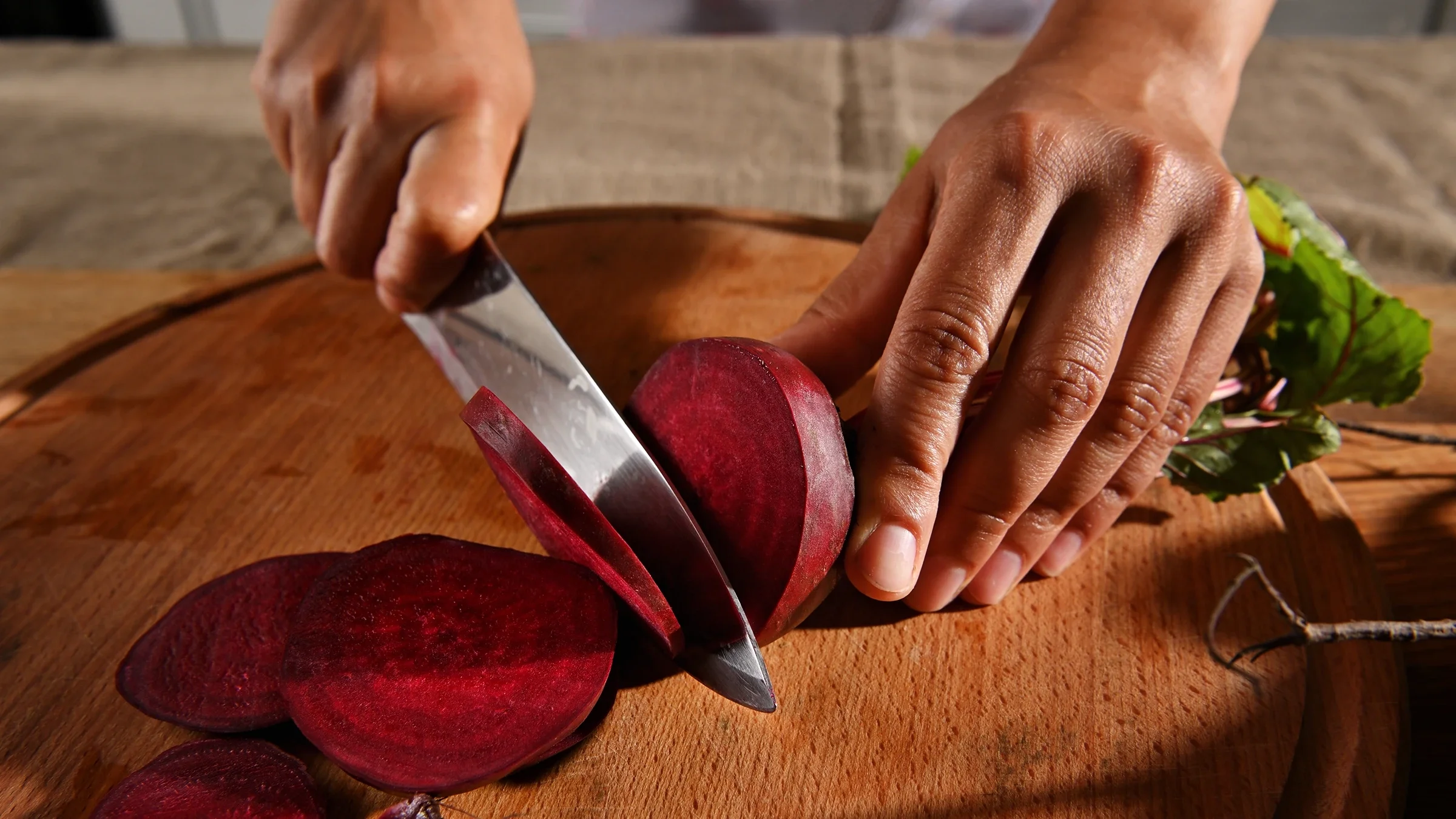
Beets
Red food coloring
Any dark-colored food has the potential to turn your poop dark, so this list isn’t comprehensive. One way to see if the food you eat is associated with the color of your stool is to keep a food log — and note when the color of your poop changes. That way, you can see if there’s a connection.
Supplements and medications that cause dark stools
Aside from foods, certain medicines and supplements are also known to cause your poop to look dark. The most common ones include:
Bismuth subsalicylate (Pepto-Bismol)
Iron supplements
Activated charcoal
Just like with foods, dark stool from medications isn’t harmful. It should resolve on its own once you stop the medications. But dark stool isn’t a reason to stop taking a medication you need, unless it’s associated with other side effects. It’s best to discuss any medication changes you plan to make with your healthcare team.
What does healthy stool look like?
Most healthy poop is brown in color, but sometimes what you eat can affect the color. For example, eating lots of greens (like spinach) can turn your poop green. And that’s normal too.
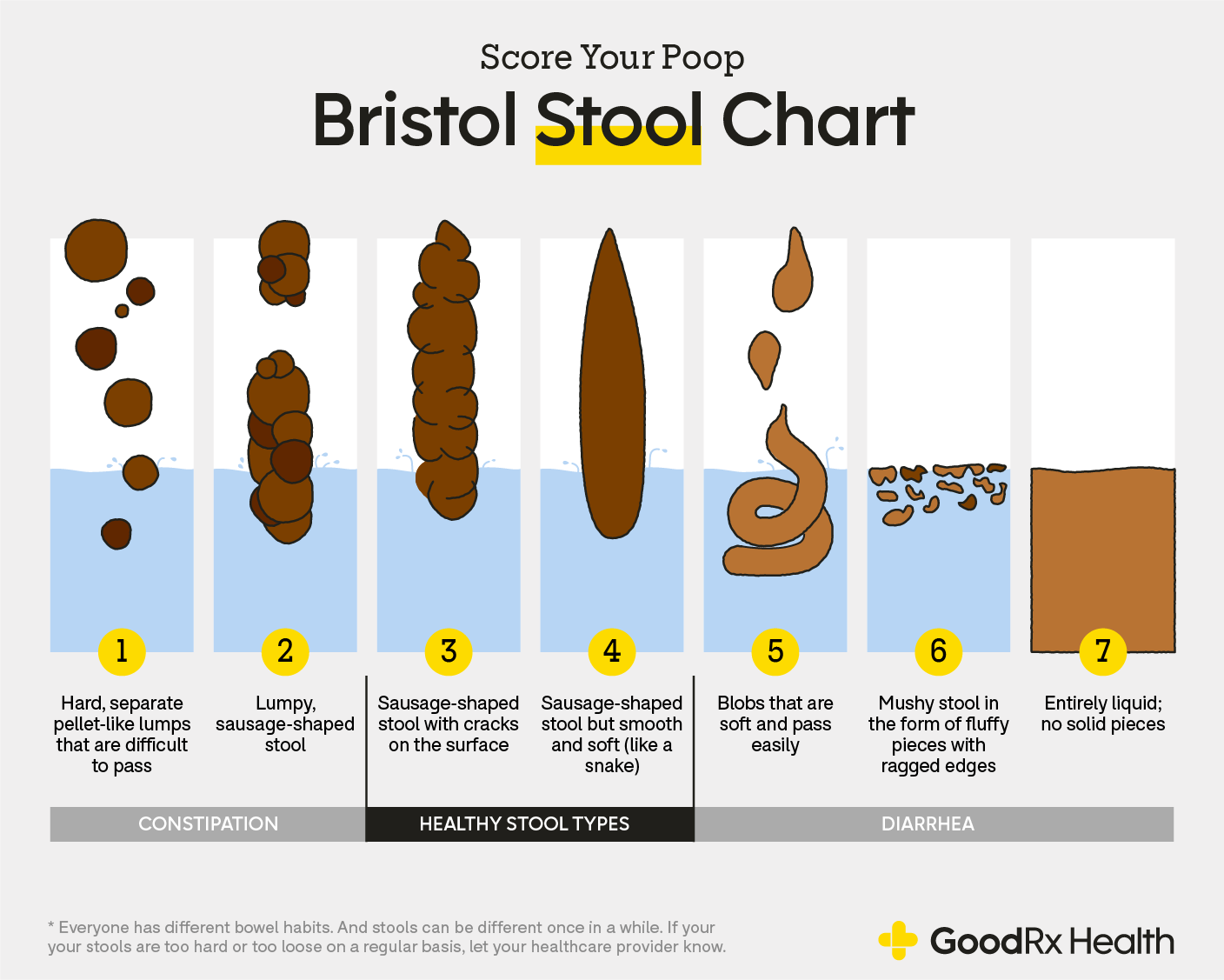
In addition, healthy poop is generally well-formed, easy to pass, and sausage-shaped. It may be smooth or have cracks on the surface.
The Bristol Stool Chart is a handy tool that uses pictures to help identify the appearance of normal and abnormal-looking poop. There are seven types of poop described by the chart, and healthy poop fits into types 3 and 4.

Read more like this
Explore these related articles, suggested for readers like you.


When should you be worried about dark stool?
While dark poop is often harmless, there are a few situations where it could be something more serious. For example, digested blood often appears dark rather than red. This is called melena. It’s a sign of bleeding in your stomach or upper intestines, like from an ulcer. Melena often appears black, tarry, and sticky.
Blood in your poop — especially if the blood is coming from lower in the intestine — can also appear dark or bright red. Many times, this happens when the source of bleeding is lower in the intestine or anus, like from hemorrhoids. But it still can be an indication of something more serious, like colon cancer.
If you ever suspect that dark stool could be blood, you should see a healthcare professional right away. You should also see them if your dark stools are associated with other symptoms, such as:
Abdominal pain
Heartburn symptoms, such as a burning sensation, cough, or sore throat
Change in usual bowel habits beyond color (for example, going more or less frequently than is normal for you)
New onset constipation or diarrhea, especially if it doesn’t resolve in 1 to 2 days
Unintentional weight loss
Dizziness, lightheadedness, or weakness
Frequently asked questions
Foods don’t usually cause light-colored stools. Sometimes, fatty foods can cause your poop to be lighter in color. More serious causes of pale poop include infection or inflammation of the gallbladder, bile duct blockages (which can be caused by gallstones), and alcoholic hepatitis.
Dark stool caused by food is harmless and doesn’t need to be treated. Avoiding the food that caused the color change should clear up the symptom — but it’s not necessary.
If the cause of your stool changes is unclear, your healthcare team can order some tests to get more information. Some common tests include a fecal occult blood test (FOBT). This test can detect blood in a small stool sample, even if the blood isn’t visible. A colonoscopy is a more extensive test that can look inside the intestine for a source of bleeding.
Foods don’t usually cause light-colored stools. Sometimes, fatty foods can cause your poop to be lighter in color. More serious causes of pale poop include infection or inflammation of the gallbladder, bile duct blockages (which can be caused by gallstones), and alcoholic hepatitis.
Dark stool caused by food is harmless and doesn’t need to be treated. Avoiding the food that caused the color change should clear up the symptom — but it’s not necessary.
If the cause of your stool changes is unclear, your healthcare team can order some tests to get more information. Some common tests include a fecal occult blood test (FOBT). This test can detect blood in a small stool sample, even if the blood isn’t visible. A colonoscopy is a more extensive test that can look inside the intestine for a source of bleeding.
The bottom line
Many dark-colored foods — and even some common medications — can cause your poop to appear dark. When foods are the cause of your dark stools, it’s not a reason for concern. But it’s important to consider if the color change is a sign of blood. If you don’t think your dark stools are due to food or medications, talk with your healthcare team. Also, pay attention to other symptoms, such as abdominal pain or weight loss. Don’t hesitate to reach out to a healthcare professional when you’re not sure.

Why trust our experts?




References
MedlinePlus. (2024). Black or tarry stools.
MedlinePlus. (2024). Stools - pale or clay-colored.
National Institute of Diabetes and Digestive and Kidney Diseases. (2024). Symptoms & causes of GI bleeding. National Institutes of Health.