Key takeaways:
Certain foods may ease colon inflammation symptoms. These include cooked vegetables, lean proteins, and some starchy foods.
When you have a condition that causes colon inflammation, you may want to steer clear of foods that can cause a flare-up. These include foods high in fiber and fat, as well as alcohol and caffeine.
Working with a healthcare professional and, if you can, a registered dietitian can help you develop a treatment plan that may help relieve inflammation in your large intestine.
When a healthcare professional diagnoses you with inflammatory bowel disease (IBD), this means you have inflammation of the colon. This inflammation leads to swollen, irritated, and damaged tissue inside the colon. Two chronic conditions fall under the IBD umbrella: Crohn’s disease and ulcerative colitis.
No matter the condition that causes colon inflammation, one thing is certain: There may be some foods that just don’t agree with your gut. The good news is that there are nutritious options that may help alleviate symptoms and improve your condition. Diet can play an important role in your colon inflammation treatment plan. Let’s look at types of foods that can help calm an inflamed colon.
What foods can ease colon inflammation?
Wondering how to calm inflamed intestines? Your food choices may help you keep inflammation down between flare-ups, and then ease symptoms during a flare-up. But ultimately, your nutritional needs are unique to you.
Search and compare options
Keeping a symptom diary or food journal can help you identify which foods sit better with you and which ones trigger colon inflammation. Despite our best efforts, it can be hard to remember everything you eat throughout the day. Keeping a food journal can help you keep track of what you’re eating, and it may help you link certain foods with your symptoms.
It’s important to talk to a healthcare professional before completely eliminating certain foods from your diet. They may suggest alternative foods or medications to supplement and ensure that you’re getting the needed nutrients.
Here are just a few categories of foods that may help improve or offset IBD symptoms.
1. Fruit
Eating fruit that’s ripe or cooked down may be easier to digest. Similarly, removing the skins on certain fruits can help reduce fiber that’s harder to digest. Some fruits to try include:
Peeled peaches or nectarines
Cooked or pureed skinless apples
Ripe bananas
Cantaloupe
Honeydew melon
Watermelon
Applesauce
Pureed pumpkin
Diluted fruit juices are another form of fruit that may be easy to digest if you have colon inflammation. Watering down fruit juice can help you lower your sugar intake. This is important, because too much sugar in your diet may lead to watery stools during a flare-up. Watered-down fruit juice is also lighter on your digestive tract.
2. Well-cooked vegetables
If you have IBD, it can be a good idea to center your meals on cooked vegetables, such as pureed or broth-based soups. These veggie options can also help to replenish water lost through loose stools. Some vegetable options are:
Boiled green beans
Soft carrots
Pureed squash
Steamed or boiled skinless potatoes
Steamed asparagus
3. Lean proteins
Eating protein-rich foods helps you feel full and satisfied, which can be especially helpful after a bowel movement. But that isn’t the only benefit when you have a condition that causes colon inflammation.

Read more like this
Explore these related articles, suggested for readers like you.


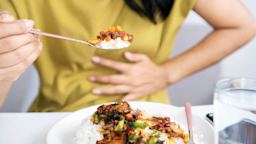
Research suggests that when protein is digested, it produces compounds linked to healthy gut bacteria growth and improved bowel health.
But colon inflammation flare-ups are often accompanied by protein loss through diarrhea, openings in the intestine, and bleeding. This makes it even more important to replenish your protein with quality sources.
Consider adding the following proteins to your plate:
Chicken or turkey (without skin)
Cooked tofu
Eggs
Plain Greek yogurt
4. Oily fish
Oily fish and other foods rich in omega-3 fatty acids are also linked to lower inflammation in the body. Research around omega-3 fatty acids’ ability to prevent or soothe IBD-specific symptoms remains mixed. However, if you enjoy and can tolerate eating oily fish, it can be a nourishing option to add to your diet.
Fish rich in omega-3s include:
Salmon
Sardines
Tuna
Mackerel
Anchovies
Herring
Trout
Whitefish
Striped bass
Black cod
Cobia
5. Smooth nut butter and ground seeds
You may want to avoid whole nuts and seeds when your gastrointestinal (GI) tract is inflamed. When you eat those foods whole, it takes more effort for the body to break them down. Instead, opt for nut or seed butter or ground seeds. Some examples include:
Ground flaxseed
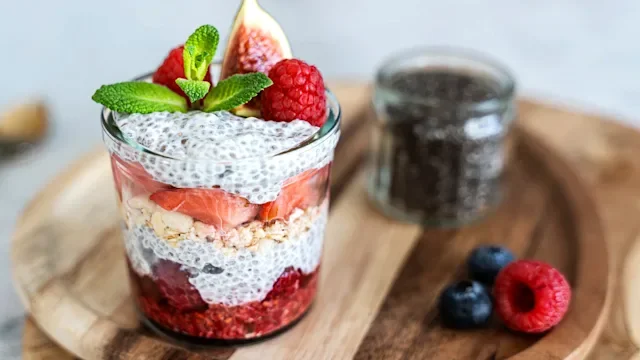
Ground chia seeds
Creamy sunflower seed butter
Creamy peanut butter
These nuts and seeds are high in monounsaturated fat. Research suggests these fats may help lower inflammation in people with IBD.
6. Certain starchy foods
Starchy foods can be a light yet nourishing option if you have colon inflammation. In addition to potatoes, here are other starchy foods to consider:
What foods should you avoid if you have colon inflammation from IBD?
There are several types of foods to avoid during an IBD flare-up. These foods and drinks may cause digestive discomfort or increase inflammation:
Whole nuts
Most raw fruits and vegetables
Fried foods or foods high in fat
Alcohol
Caffeine
Foods high in added sugar, including pastries, candy, and sugary drinks
Certain dairy products, such as milk and soft cheeses
Certain whole grains that are higher in fiber, such as rye and barley
Should you eat fiber if you’re having a flare-up?
When you’re experiencing an IBD flare-up, you may want to avoid eating too many foods that are high in fiber. Too much fiber can potentially irritate the colon further. Eating some fiber during a flare-up won’t likely do too much harm. But stay away from foods that are high in insoluble fiber during flare-ups (like raw broccoli or unpeeled apples). Insoluble fiber doesn’t break down in water and increases stool bulk, which stimulates the colon to pass waste.
On the other hand, soluble fiber can help prevent diarrhea. It does this by soaking up excess water in loose stool, which may help reduce the need to go to the bathroom as often. Some sources of soluble fiber include oranges, oats, and flaxseeds.
According to the American Gastroenterological Association, eating fiber may also help increase the time between flare-ups. In other words, fiber may help delay the onset of your next flare-up.
Frequently asked questions
An inflamed colon, also known as colitis, can occur when the inner lining of the colon becomes irritated or swollen. This can be caused by infection, low blood flow (ischemic colitis), or an autoimmune disease like ulcerative colitis or Crohn’s disease. If you’re concerned about colitis, it’s important that you visit a healthcare professional for further evaluation.
Depending on the cause of your inflamed colon, the time for it to heal can vary, just like the treatment options. Mild cases of infectious or autoimmune colitis can heal within days. These mild cases can usually be treated with bowel rest, antibiotics, and/or steroids. Severe cases of colitis may take weeks to heal and also may require surgery to remove parts or all of your colon.
Abdominal pain is likely the most common sign of colitis or an inflamed colon. But as you can imagine, having belly pain or a stomach ache could also be related to many other medical conditions. People with colitis will also usually have other signs like:
Frequent stools
Diarrhea
Blood in the stool
Fevers
If you have these signs or are concerned about colon inflammation, it’s important that you get care as soon as possible.
An inflamed colon, also known as colitis, can occur when the inner lining of the colon becomes irritated or swollen. This can be caused by infection, low blood flow (ischemic colitis), or an autoimmune disease like ulcerative colitis or Crohn’s disease. If you’re concerned about colitis, it’s important that you visit a healthcare professional for further evaluation.
Depending on the cause of your inflamed colon, the time for it to heal can vary, just like the treatment options. Mild cases of infectious or autoimmune colitis can heal within days. These mild cases can usually be treated with bowel rest, antibiotics, and/or steroids. Severe cases of colitis may take weeks to heal and also may require surgery to remove parts or all of your colon.
Abdominal pain is likely the most common sign of colitis or an inflamed colon. But as you can imagine, having belly pain or a stomach ache could also be related to many other medical conditions. People with colitis will also usually have other signs like:
Frequent stools
Diarrhea
Blood in the stool
Fevers
If you have these signs or are concerned about colon inflammation, it’s important that you get care as soon as possible.
The bottom line
Colon inflammation from inflammatory bowel disease (IBD) can be uncomfortable and painful. The good news is that eating certain foods may help you get through a flare-up. For example, instead of raw fruits and veggies, try peeling and cooking down your produce. For other filling foods that are lighter on your intestines, opt for fish or chicken without the skin. At the same time, it’s important to avoid foods that trigger colon inflammation. These often include foods that are high in fiber.

Why trust our experts?



References
Balestrieri, P., et al. (2020). Nutritional aspects in inflammatory bowel diseases. Nutrients.
Barbalho, S. M., et al. (2016). Inflammatory bowel disease: Can omega-3 fatty acids really help? Annals of Gastroenterology.
Conlon, M. A., et al. (2015). The impact of diet and lifestyle on gut microbiota and human health. Nutrients.
Crohn’s & Colitis Foundation. (n.d.). What should I eat?
de Vries, J., et al. (2015). Effects of cereal fiber on bowel function: A systematic review of intervention trials. World Journal of Gastroenterology.
Ma, C., et al. (2019). The role of long-chain fatty acids in inflammatory bowel disease. Mediators of Inflammation.
Manitius, N. (2021). Inflammatory bowel disease (IBD): Role of fiber. American Gastroenterological Association.
McRorie, J. W., Jr. (2015). Evidence-based approach to fiber supplements and clinically meaningful health benefits, part 2. Nutrition Today.
University of California San Francisco Health. (n.d.). Patient education: Nutrition tips for inflammatory bowel disease.