Key takeaways:
Both animal and plant proteins are nutritious and can be part of a healthy diet.
Animal proteins contain all the essential amino acids we need. And they’re generally more digestible than plant proteins.
Choosing a variety of protein sources, whether animal or plant-based, will ensure you get all the protein, vitamins, and minerals you need.
The allure of plant-based diets continues to grow, with plant-based protein options becoming widely available. According to a recent survey, 65% of people in the U.S. have tried a plant-based protein in the previous year. The most commonly consumed plant proteins were plant-based meats and milk alternatives.
The popularity of plant-based proteins seems to be driven by their perceived health and environmental benefits. And it’s true that protein plays a vital role in health. But while most folks in the U.S. have no trouble getting enough protein, the quality of the protein does vary between sources.
Getting enough protein in your diet is important for building muscle and bone strength. Protein is also important for building and repairing cells and tissues, regulating hormones, and transporting oxygen throughout the body.
Let’s dive into the differences between animal-based and plant-based proteins.
Animal vs. plant protein sources
Protein is found in a variety of foods, including animal and plant-based food sources. Animal-based proteins include:
Beef
Lamb
Pork
Poultry
Seafood and shellfish
Eggs
Dairy products (milk, cheese, yogurt)
There are many options for plant-based proteins available in both grocery stores and restaurants. These include traditional plant proteins as well as newer plant-based meats and seafood alternatives. Some common plant protein sources include:
Soy and soy-based products (like tofu, tempeh, and soy milk)
Legumes (like dried beans, peas, and lentils)
Nuts
Seeds
Whole grains
Some vegetables
Meat alternatives
With so many options available, it’s not hard to get enough protein in your diet. But there are some differences between animal and plant proteins that may influence your dietary choices.

Read more like this
Explore these related articles, suggested for readers like you.


Amino acid profile: complete vs. incomplete protein
Amino acids are the building blocks of protein. There are two types: essential amino acids and non-essential amino acids.
Essential amino acids are amino acids that we can only get from the food we eat. Non-essential amino acids are those that our bodies can make on their own.
Animal proteins contain all nine essential amino acids, so they’re often referred to as “complete” proteins. A few plant proteins also contain all nine essential amino acids. These include:
Soybeans
Hemp seeds
Seaweed
But most plant proteins are considered “incomplete” proteins. This means they provide only some of the nine essential amino acids. That said, consuming a variety of different plant proteins throughout the day can supply you all the amino acids you need.
Nutrition
Both animal and plant proteins contain important nutrients. Although they’re very different, one isn’t necessarily more nutritious than the other. As with most things, consuming a variety of different protein sources is key to a diet rich in nutrition.
Protein content
Below is an overview of how some common animal and plant protein sources compare when it comes to protein content. You can see that these sources vary quite a bit in the amount of protein per 100 g serving.
| Animal protein content (per 100 g serving) | Plant protein content (per 100 g serving) | ||
| Beef (round steak) | 34.9 g | Lentils | 9.02 g |
| Poultry (roast chicken) | 25 g | Nuts (mixed) | 17.3 g |
| Egg (whole) | 12.4 g | Tofu (firm) | 9.04 g |
| Seafood (salmon) | 26.5 g | Quinoa | 4.4 g |
Similarly, different types of milk also vary in their protein content.
| Milk protein content (per cup) | |
|---|---|
| Cow’s milk, 2% | 8.5 g |
| Soy milk | 8.3 g |
| Almond milk | 1.3 g |
| Oat milk (Oatly!) | 5.0 g |
Other nutrients
But be sure to check the label if other nutrients are also important to you. For example, oat milk has more fat, with 5 g per serving, compared to up to 2 g in other types of milk.
Animal-based proteins are a good source of vitamin B12, iron, and zinc. But some sources — especially red meat — can be high in saturated fat and cholesterol. So, you’ll want to moderate your intake of these types of protein to lower your risk of heart disease and stroke.
Seafood products are good sources of omega-3 fatty acids, and dairy products are rich in calcium and vitamins D and A.
Plant-based proteins are typically low in saturated fat and are good sources of:
B vitamins
Healthy unsaturated fats
A variety of vitamins and minerals
Diversifying your sources of protein will ensure that you meet all your nutritional needs.
Absorption of plant vs. animal proteins
Your body breaks protein down into amino acids, which are absorbed in the small intestine. These amino acids travel through your bloodstream to different parts of your body, helping to repair tissues and build muscle.
Animal proteins are typically absorbed very easily. On the other hand, the absorption of plant proteins varies. This means you may not actually get as much protein from your plant source. The difference may be because plant proteins contain “antinutrients.” These are compounds that may interfere with the absorption of protein, vitamins, and minerals.
But antinutrients — including oxalates, tannins, phytoestrogens, phytates, and antioxidants — also offer some health benefits. So, you shouldn’t skip plant proteins altogether.
Much more research is needed to fully understand the true impact of antinutrients on human health and digestion. For now, as you may have guessed, it’s helpful to vary your protein sources as much as possible.
Which protein sources are best for gut health?
The study of gut health is rapidly evolving and complex, especially in relation to overall health. Research supports differences in gut microbial systems after eating plant-based versus animal products. But other dietary factors — like fiber and fats — also play a role. At this point, it’s not clear if one source of protein is better than another.
What’s known is that a diverse diet, that includes both plant and animal proteins, seems to be beneficial for our gut health. For example, research on the Mediterranean diet has shown positive changes in gut health and a decrease in inflammation. This style of eating is rich in plants but also contains some animal protein.
More research is needed to fully understand the differences between plant and animal proteins on gut health.
Best protein sources for strength and muscle building
When it comes to weight loss and muscle strength, both animal and plant proteins are helpful.
Building muscle requires a combination of exercise along with eating enough of the right type of protein. Animal proteins are typically better for this. But those who stick to a plant-based diet can still build muscle if they plan well. Some plant proteins are better at helping to build muscle than others. This can depend on the essential amino acids they provide.
Increasing the amount and variety of plant proteins throughout your day will help you get enough essential amino acids to support muscle building.
What about plant-based meat products?
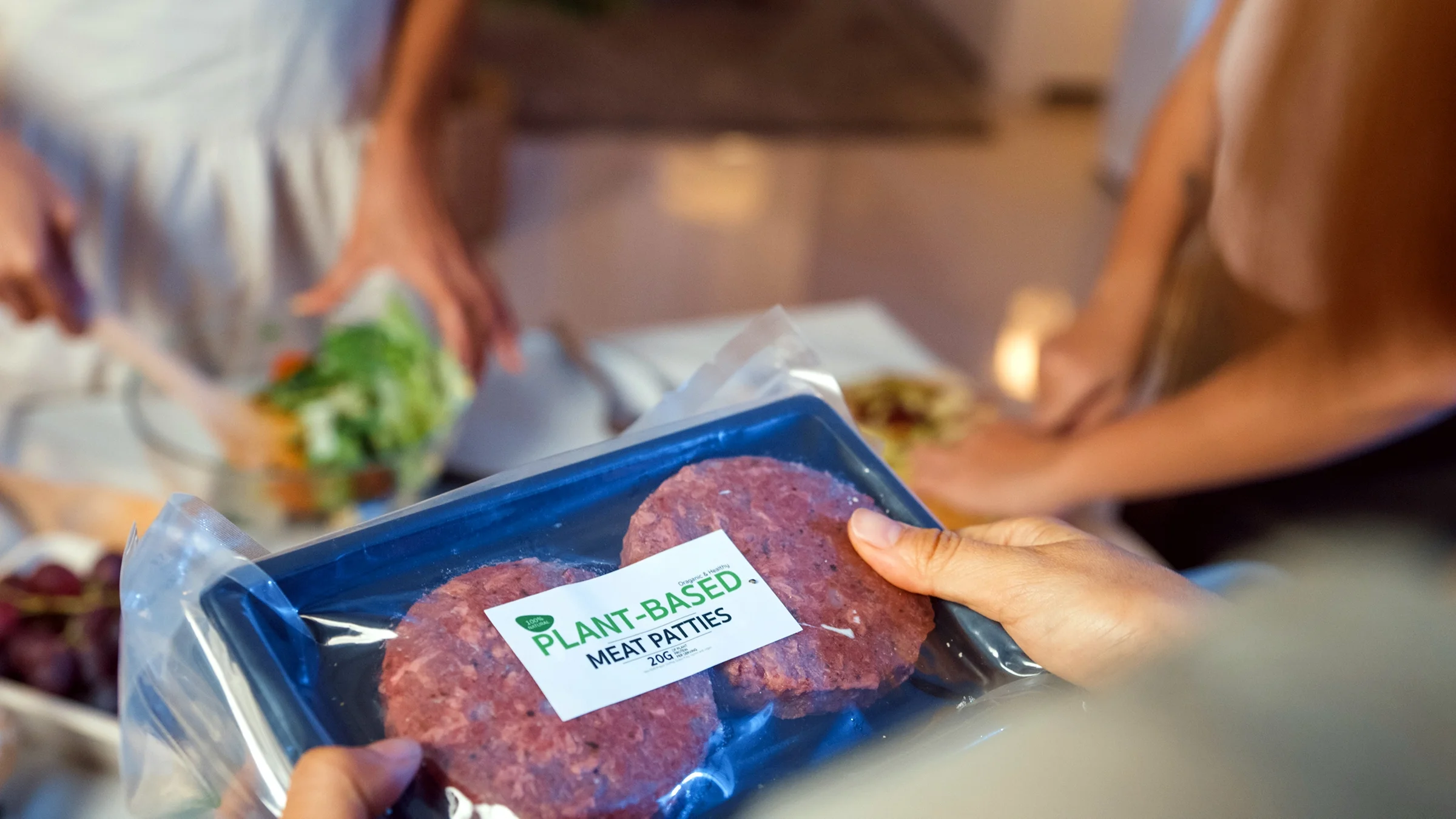
A variety of plant-based meat products, or meat alternatives, are readily available in the grocery store. But are they better for you than their animal-based counterparts? The answer depends on the overall nutritional content of the product.
In general, most plant-based meat alternatives are lower in calories and saturated fat and higher in fiber than similar animal-based products. But they often contain higher levels of sodium and carbohydrates, and sometimes less protein. The protein digestibility may also be lower in these plant-based alternatives. It’s important to compare food labels before buying anything.
Some small studies have shown small improvements in weight and cholesterol levels when people ate meat alternatives instead of meat. More research is expected in this area as these products continue to grow in popularity.
The bottom line
Both plant-based and animal-based proteins are nutritious and can be part of a well-balanced diet. While there are some differences, the better choice for you depends on your dietary goals. Choosing from a variety of options from either or both sources will ensure you get all the nutrients you need, including protein.

Why trust our experts?




References
Antonio, J., et al. (2024). Common questions and misconceptions about protein supplementation: what does the scientific evidence really show? Journal of the International Society of Sports Nutrition.
Berrazaga, I., et al. (2019). The role of the anabolic properties of plant- versus animal-based protein sources in supporting muscle mass maintenance: A critical review. Nutrients.
Bianci, F., et al. (2022). Replacing meat with alternative plant-based products (RE-MAP): A randomized controlled trial of a multicomponent behavioral intervention to reduce meat consumption. The American Journal of Clinical Nutrition.
Di Rosa, C., et al. (2023). Effects of animal and vegetable proteins on gut microbiota in subjects with overweight or obesity. Nutrients.
Meslier, V., et al. (2020). Mediterranean diet intervention in overweight and obese subjects lowers plasma cholesterol and causes changes in the gut microbiome and metabolome independently of energy intake. Gut.
Tomova, A., et al. (2019). The effects of vegetarian and vegan diets on gut microbiota. Frontiers in Nutrition.
Trautwein, E. A., et al. (2020). The role of specific components of a plant-based diet in management of dyslipidemia and the impact on cardiovascular risk. Nutrients.
U.S. Department of Agriculture. (2019). Beef, round, bottom round, steak, separable lean only, trimmed to 0" fat, select, cooked, braised.
U.S. Department of Agriculture. (2019). Chicken, roasting, meat only, cooked, roasted.
U.S. Department of Agriculture. (2019). Eggs, grade a, large, egg whole.
U.S. Department of Agriculture. (2019). Fish, salmon, sockeye, cooked, dry heat.
U.S. Department of Agriculture. (2019). Lentils, mature seeds, cooked, boiled, with salt.
U.S. Department of Agriculture. (2019). Milk, reduced fat, fluid, 2% milkfat, with added nonfat milk solids and vitamin A and vitamin D.
U.S. Department of Agriculture. (2019). Nuts, mixed nuts, dry roasted, with peanuts, with salt added.
U.S. Department of Agriculture. (2019). The original oat-milk.
U.S. Department of Agriculture. (2019). Tofu, firm, prepared with calcium sulfate and magnesium chloride (nigari).
U.S. Department of Agriculture. (2019). Quinoa, cooked.
U.S. Department of Agriculture. (2022). Almond milk, unsweetened.
U.S. Department of Agriculture. (2022). Soy milk.
Wang, Y. (2023). Chapter six - Novel plant-based meat alternatives: Implications and opportunities for consumer nutrition and health. Advances in Food and Nutrition Research.
Webster, A.. (2021). IFIC survey: Consumer viewpoints and purchasing behaviors regarding plant and animal protein. Food Insight.
Witard, O. C., et al. (2016). Protein considerations for optimising skeletal muscle mass in healthy young and older adults. Nutrients.