Key takeaways:
Antinutrients are compounds found in some plant foods.
They can reduce your body’s ability to absorb and use certain nutrients.
Research shows that the many health benefits of eating plant foods containing antinutrients outweigh any potential harm of antinutrients.
You may have heard the term “antinutrients,” which have raised some questions in the nutrition world. Some sources say that antinutrients are harmful, while others say you shouldn’t worry about them.
Here is a closer look at what exactly antinutrients are and how they impact your health.
What are antinutrients?
Antinutrients are naturally occurring compounds in certain plants that may interfere with how your body absorbs vitamins, minerals, and other nutrients.
Some of the most common types of antinutrients include:
Lectins: These are found in some whole grains; legumes like soybeans, beans, and peanuts; and some nuts and seeds.
Oxalates: These are found in coffee and some teas, as well as in green, leafy vegetables. Other foods containing oxalates include potatoes, beans, and beets.
Phytates (also called phytic acid): Phytates are found in many whole grains, as well as nuts, seeds, and legumes.
Phytoestrogens: These are primarily found in soy products; some fruits like pears and plums; and vegetables like garlic, onions, and sprouts.
Tannins: These are mostly found in tea, coffee, and wine. Other foods that contain tannins include cocoa, some legumes, and some fruits like grapes and apples.
Why do antinutrients exist?
Antinutrients help protect plants from infections and being eaten by insects. While this is beneficial for the plant, it can lower the ability of the human body to properly use the nutrients in the plant.
Should you worry about antinutrients?
Probably not. Let’s run through the pros and cons of antinutrients.
The pros of antinutrients include:
Some serve as antioxidants. Antioxidants help protect your cells from damage by fighting off free radicals, or unstable molecules that can build up in cells and cause harm to other molecules. High exposure to free radicals can lead to disease, so antioxidants are a crucial component of good health.
Some may help fight cancer. Evidence shows that the antinutrients found in plants can help protect against and treat some types of cancer.
Many can help boost the immune system. Tannins specifically have been found to help slow or prevent the growth of fungi, bacteria, and viruses that can cause illness.
All provide a source of dietary fiber. Fiber is only found in plant foods and has many health benefits like supporting blood sugar balance, lowering cholesterol levels, and supporting healthy digestion.
Possible cons of antinutrients include:
They may be hard for some people to digest. Some antinutrients may alter gut function in sensitive people.
Phytoestrogens specifically may behave like endocrine disruptors. Endocrine disruptors can change the way hormones function in the body.
High amounts of oxalates can contribute to kidney stones. This is more likely to happen in people who get them frequently.
They can reduce the absorption of some minerals. For example, they may affect the absorption of calcium, iron, and zinc.
If you’re thinking of changing your diet because of antinutrients, there are a few important things to keep in mind:
They are only likely to affect someone who eats them in high amounts.
When you eat foods with antinutrients in them, you will not necessarily experience any of the potential risks. Each person can be affected differently, and it’s likely that you won’t be affected at all.
Since they are found in healthy foods, cutting them out will likely do more harm than good.

Read more like this
Explore these related articles, suggested for readers like you.




Still, some people with certain health conditions may be more susceptible to the potential negative effects of antinutrients. These people may include those who tend to get calcium oxalate kidney stones, those with digestive problems, or those with serious mineral deficiencies.
If this is you, reach out to your healthcare provider for guidance on whether (and how) to include foods with antinutrients in your diet.
Which foods contain the most antinutrients?
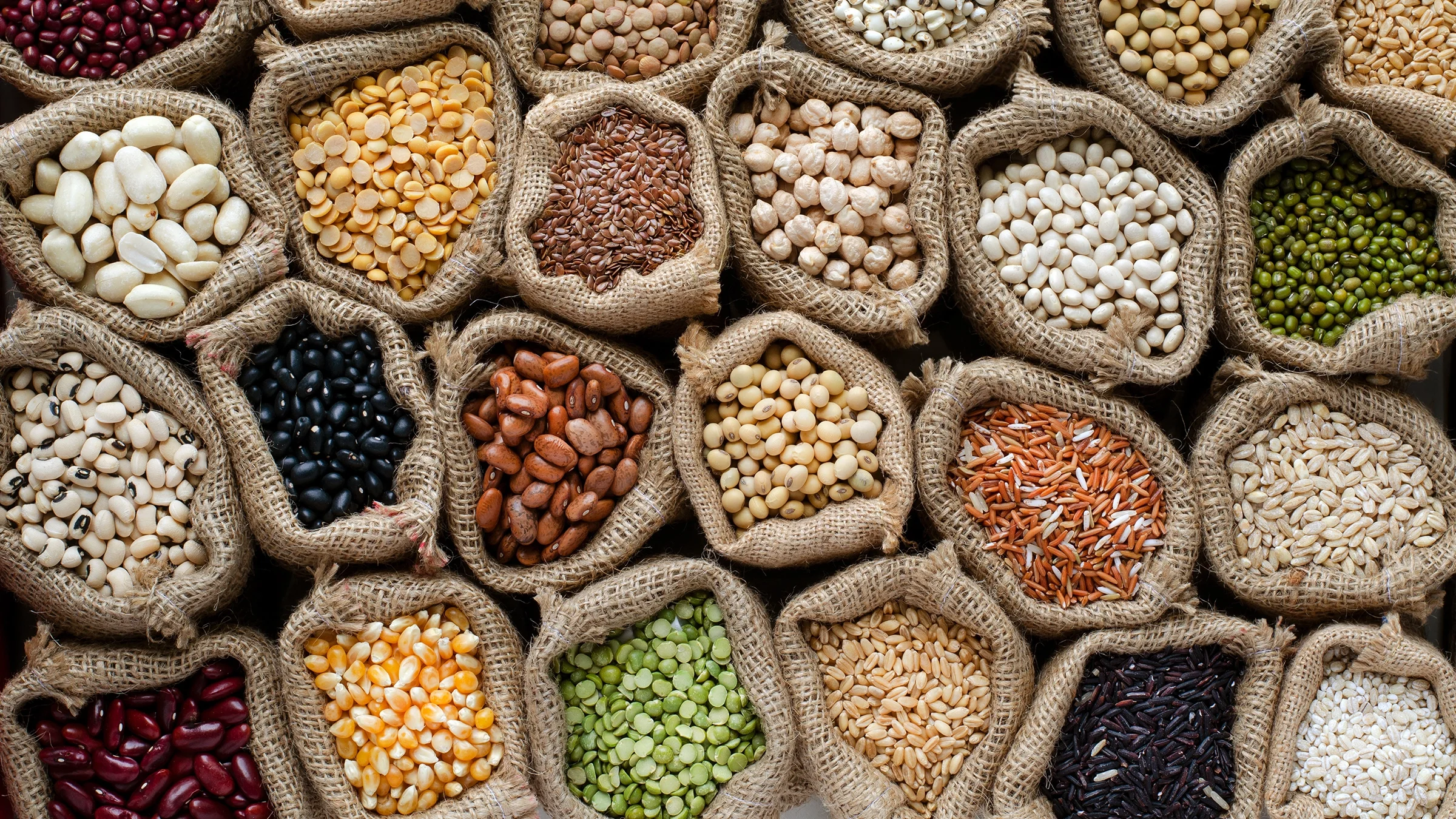
In general, legumes, nuts, and grains contain the most antinutrients. Here is a list of the top antinutrient foods:
Chickpeas
Lentils
Peanuts
Soy
Walnuts
Cashews
Almonds
Pistachios
Hazelnuts
Quinoa
Buckwheat
Wheat
Amaranth
Teff
How can you reduce antinutrients in foods?
To reduce antinutrients in foods, you can:
Soak the food for several hours in water before cooking or eating it.
Boil your food.
Purchase sprouted or fermented grains, vegetables, and legumes. Sprouting involves soaking the seeds of the food for many hours until they begin to germinate, which is the beginning stage of new growth. It is believed to help improve the digestibility of the food by increasing its fiber content.
Be aware that some of these preparation methods, such as boiling, may also slightly reduce the nutrient content of the food.
Can antinutrients actually be good for you?
Yes. The foods that contain antinutrients have many health benefits. As mentioned, antinutrients are found in many plant foods. Following a plant-based diet has many health benefits. It can even play a role in the treatment and prevention of many health conditions.
Avoiding antinutrients would mean avoiding many nutrient-rich foods that play an important role in your health. Most research states that the benefits of consuming antinutrients within the context of a balanced diet outweigh any potential risks.
The bottom line
Antinutrients are compounds in some plants that can interfere with the absorption and use of some nutrients in your body. The good news is that antinutrients are not a concern for most people, and the health benefits of eating them outweigh the risks. However, certain groups of people with specific health conditions may be sensitive to antinutrients and should talk with their healthcare providers.
Instead of worrying about individual nutrients or ingredients, focus on eating a wide variety of fresh foods from all food groups for balanced nutrition.

Why trust our experts?




References
Bacciottini, L., et al. (2007). Phytoestrogens: Food or drug? Clinical Cases in Mineral and Bone Metabolism.
Cabras, B., et al. (2020). Nutrients, antinutrients, phenolic composition, and antioxidant activity of common bean cultivars and their potential for food applications. Antioxidants.
Chung, K., et al. (1998). Are tannins a double-edged sword in biology and health? Trends in Food Science & Technology.
Gasińska, A., et al. (2007). Tea and coffee as the main sources of oxalate in diets of patients with kidney oxalate stones. Roczniki Państwowego Zakładu Higieny.
Megat, R. M. R., et al. (2016). Effect of germination on total dietary fibre and total sugar in selected legumes. International Food Research Journal.
Patisaul, H. B., et al. (2010). The pros and cons of phytoestrogens. Frontiers in Neuroendocrinology.
Petroski, W., et al. (2020). Is there such a thing as ‘anti-nutrients’? A narrative review of perceived problematic plant compounds. Nutrients.
Popova, A., et al. (2019). Antinutrients in plant-based foods: A review. The Open Biotechnology Journal.
Tuso, P. J., et al. (2013). Nutritional update for physicians: Plant-based diets. The Permanente Journal.
University of Michigan Health Rogel Cancer Center. (2015). Plant-based diets: Why all the hype?
Vegetarian Society. (n.d.). Sprouting: How to sprout at home.