







Is Sunlight Good for You? Here Are 8 Health Benefits
Did you know sunlight can improve mood, lower blood pressure, and boost immunity? Read about the benefits of sunlight, and get tips for safely getting more sun.
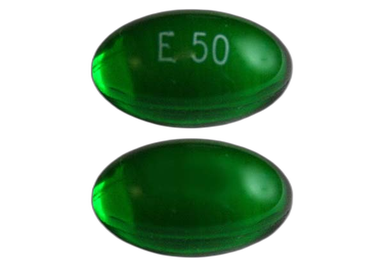
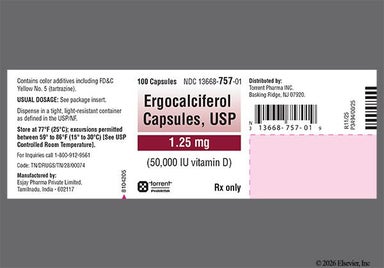
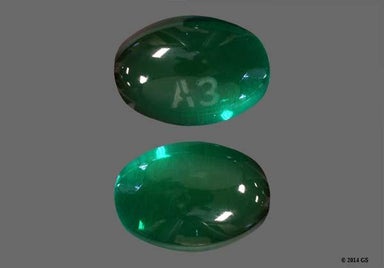
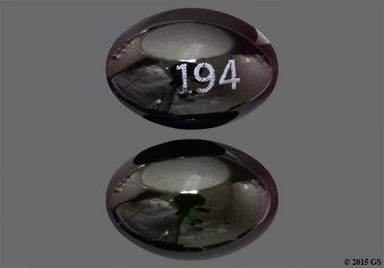
Vitamin D2 (ergocalciferol) is a form of vitamin D that's available both over the counter or with a prescription, depending on the dose. It's used to treat vitamin D deficiency (low vitamin D levels), including in various medical conditions, such as hypoparathyroidism (low parathyroid hormone) and rickets. Vitamin D2 (ergocalciferol) is taken by mouth, typically once a day (unlike vitamin D3, which can be prescribed once weekly at higher doses).

Low vitamin D, and certain related conditions:
Vitamin D2 (ergocalciferol) is a form of vitamin D that's available as a dietary supplement. Vitamin D allows your body to absorb more calcium and phosphate, which is important to keep your bones healthy and strong. If you have problems with your parathyroid gland, your body doesn't make vitamin D very well on its own. Vitamin D2 (ergocalciferol) replaces the vitamin D your parathyroid gland isn't making.
| Common Brands | Vitamin D2, Drisdol |
|---|---|
| Drug Class | Dietary supplement |
| Controlled Substance Classification | Not a controlled medication |
| Generic Status | Lower-cost generic available |
| Availability | Prescription or over-the-counter |

The following side effects may get better over time as your body gets used to the medication. Let your healthcare provider know immediately if you continue to experience these symptoms or if they worsen over time.
See Risks and Warnings
Contact your healthcare provider immediately if you experience any of the following.
Side effects that you should report to your care team as soon as possible:
Side effects that usually do not require medical attention (report these to your care team if they continue or are bothersome):




Vitamin D2 (ergocalciferol) can cause some serious health issues. This risk may be even higher for certain groups. If this worries you, talk to your doctor or pharmacist about other options.
Vitamin D2 (ergocalciferol) shouldn't be used if you have high levels of calcium or vitamin D in your blood. If you take more vitamin D2 (ergocalciferol) than the recommended or prescribed dose, it can cause calcium to build up in your blood. This can be dangerous for your kidneys. Because you need to take very high doses of this medication to treat rickets, it's much more likely for this to happen if you have rickets. Be sure to get all ordered blood tests done on time so your provider can make sure your vitamin D levels aren't too high and you're taking the correct dose. If you notice unexplained nausea that doesn't go away, a loss of appetite, weight loss, constipation, muscle pain, muscle stiffness, or a change in how much or how often you urinate, talk to your provider. These could be early signs that you're taking too much vitamin D and your calcium blood level is too high.

Prescription-only vitamin D2 (ergocalciferol):
Your dose can change depending on your blood vitamin D levels.
Please note: Vitamin D2 (ergocalciferol) is available OTC in doses below 50,000 units. Ask your healthcare provider to see what dose you should take.


Contraindications are specific health conditions or situations in which a person should not take a medication due to safety concerns. If you have any of the following conditions or if any of the following apply to you, let your healthcare provider know because Vitamin D2 (ergocalciferol) will not be safe for you to take.

Low vitamin D, and certain related conditions:










Prescription savings
Stop paying too much for your prescriptions. Compare prices, get pharmacy coupons, and save up to 80%.Resources
About GoodRx
 Find expert answers to your health questions so you can make the best decisions for yourself and your family.
Health conditions
Medications & treatment
Access & affordability
Well-being
Medication discounts

Some providers might prescribe Ergocalciferol over vitamin D3 (cholecalciferol) because Ergocalciferol is more readily available. But some studies suggest that vitamin D3 (cholecalciferol) might work better at raising your vitamin D levels compared to Ergocalciferol. Talk with your provider if you're not sure which for of vitamin D is best for you.
Ergocalciferol is good for treating low vitamin D levels. Typically, your body absorbs vitamin D through the foods you eat and from the sun. Getting enough vitamin D is important because this vitamin is needed in helping your body work properly. But some people don't get enough vitamin D because they're not eating enough vitamin D-rich foods, they've certain medical conditions, or they're not spending enough time outdoors. This can be a problem because low vitamin D levels can lead to various health problems, including weakened bones and mood problems. If you have low vitamin D levels, your provider might ask you to take Ergocalciferol to supplement.
It's very unlikely that your provider will recommend that you take both vitamin D2 and D3 together. They're both forms of vitamin D and work similarly to raise your vitamin D levels. In fact, taking too much vitamin D can be harmful and can lead to really high levels of calcium in the blood. Ask your provider about which form and what dose of vitamin D you should take.
The typical 50,000 unit dose of Ergocalciferol is taken once a day. Keep in mind that vitamin D3 (cholecalciferol) is sometimes prescribed at this dose, but that's taken once a week. If you're not sure which product you're supposed to take and how often, ask your provider or pharmacist.
If your vitamin D levels are already low, it's best for you to avoid drinking alcohol. Studies show that drinking alcohol does affect your body's ability to absorb nutrients, including vitamin D. In addition, drinking alcohol long-term can also cause similar problems as having low vitamin D levels in your bo
No. Ergocalciferol is a fat-soluble vitamin.
Having low vitamin D levels can weaken your bones and lead to bone problems, such as osteoporosis. The American Association of Clinical Endocrinologists (AACE) recommends people with osteoporosis to take daily supplements of vitamin D3 (cholecalciferol) rather than Ergocalciferol for vitamin D testing reasons. Supplementing with vitamin D and calcium can prevent further bone-loss in people who have osteoporosis. Ask your healthcare provider whether you need to take vitamin D3 (cholecalciferol) if you have osteoporosis.
