




Can B12 Shots Help With Weight Loss?
B12 shots are sometimes marketed as a weight-loss solution. Read on to learn whether B12 shots are an effective method for weight management.
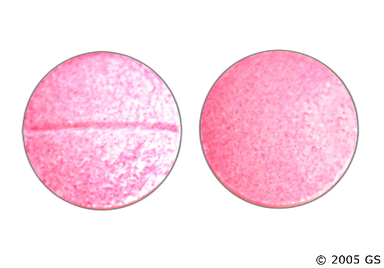
Vitamin B12 (cyanocobalamin) is a dietary supplement used to treat low blood vitamin B12 levels (vitamin B12 deficiency). It's available as a pill and liquid that's typically taken by mouth once per day. But depending on your specific situation, your provider might have you take a different dosage. Vitamin B12 (cyanocobalamin) is generally well tolerated and doesn't have many side effects.

Vitamin B12 (cyanocobalamin) is a dietary supplement. Your body needs vitamin B12 (cyanocobalamin) for several processes, such as promoting red blood cell growth, maintaining nerve cell health, and making DNA (genetic material).
| Common Brands | No brand name available |
|---|---|
| Drug Class | Dietary supplement |
| Controlled Substance Classification | Not a controlled medication |
| Generic Status | Lower-cost generic available |
| Availability | Over-the-counter |

The following side effects may get better over time as your body gets used to the medication. Let your healthcare provider know immediately if you continue to experience these symptoms or if they worsen over time.
Side effects aren't common.
Contact your healthcare provider immediately if you experience any of the following.
Side effects that you should report to your care team as soon as possible:
Side effects that usually do not require medical attention (report these to your care team if they continue or are bothersome):




Vitamin B12 (cyanocobalamin) can cause some serious health issues. This risk may be even higher for certain groups. If this worries you, talk to your doctor or pharmacist about other options.
Allergic reactions to vitamin B12 (cyanocobalamin) are possible, including life-threatening reactions like facial swelling, shock, and anaphylaxis (e.g., closing of the throat). If you notice difficulty breathing, a choking sensation, swelling around your eyes, swelling of the lips or tongue, dizziness, or nausea after using vitamin B12 (cyanocobalamin), get medical attention right away.
People with a rare, inherited eye condition called Leber's disease who received vitamin B12 developed severe eye damage. Vitamin B12 (cyanocobalamin) products isn't recommended in people with Leber's disease. If you have Leber's disease, speak with your provider about alternatives for vitamin B12 supplementation.
If you have pernicious anemia, discuss with your provider whether vitamin B12 (cyanocobalamin) supplements that are taken by mouth are right for you. Sometimes, treating severe pernicious anemia with vitamin B12 can cause serious problems, like low potassium and high platelet levels. If you do, your provider will follow up with you more often. They'll track your potassium and platelet levels through bloodwork during treatment with vitamin B12 (cyanocobalamin). Contact your provider if you notice headache, confusion, shortness of breath, heart palpitations (chest pounding), muscle weakness or cramps, or unusual bleeding. These can be symptoms of electrolyte or platelet problems.
Taking vitamin B12 can sometimes mask anemia due to low folic acid levels). This means that vitamin B12 might help raise your red blood cell count without affecting your folic acid (folate) levels (so your folic acid levels will still be low). Your provider will check your folic acid levels through bloodwork before you start vitamin B12 (cyanocobalamin) to make sure you receive appropriate treatment for all your nutrient deficiencies.

 Tablet
| Dosage | Quantity | Price as low as | Price per unit |
|---|---|---|---|
| 1000mcg | 90 tablets | $6.93 | $0.08 |
| 100mcg | 30 tablets | $6.32 | $0.21 |
| 250mcg | 11 tablets | $4.70 | $0.43 |
| 500mcg | 90 tablets | $6.51 | $0.07 |
The typical dose ranges from 100 mcg to 5,000 mcg once a day (preferably with food).
Keep in mind that vitamin B12 (cyanocobalamin) is available in many different forms (e.g., oral tablets, orally dissolving tablets, gummies, lozenges). Vitamin B12 (cyanocobalamin) also comes in different strengths. For these reasons, each vitamin B12 (cyanocobalamin) supplement can have different directions on how to take.
Please read the manufacturer's label for directions that are specific to the vitamin B12 (cyanocobalamin) product you have or follow your provider's instructions. Your provider might recommend a dose of vitamin B12 (cyanocobalamin) that's different from the manufacturer's label.
Your provider might adjust your dose based on your vitamin B12 levels, whether you have medical conditions that cause lower vitamin B12 levels (e.g., Crohn's disease), or whether you're taking other medications that affect vitamin B12 levels.










Prescription savings
Stop paying too much for your prescriptions. Compare prices, get pharmacy coupons, and save up to 80%.Resources
About GoodRx
 Find expert answers to your health questions so you can make the best decisions for yourself and your family.
Health conditions
Medications & treatment
Access & affordability
Well-being
Medication discounts

Cyanocobalamin has three major roles in the body. It helps your body make red blood cells to help prevent a condition called anemia. Cyanocobalamin also keeps nerve cells healthy so that they work well. In addition, this vitamin is needed for your body to make DNA. Let your provider know if you have symptoms like headaches, dizziness, changes in vision, tingling in the arms or legs, and problems with balance. These can be symptoms of low vitamin B12 levels. Your provider can check your vitamin B12 levels and discuss with you whether you need Cyanocobalamin supplementation.
The recommended amount of Cyanocobalamin that you need per day differs based on your age and whether you're pregnant or breastfeeding. But in general, the recommended daily intake of vitamin B12 for adults is 2.4 mcg to 2.8 mcg per day. Most people can get enough Cyanocobalamin from their diet, but some people might need help to do so by taking supplements. Cyanocobalamin supplements can contain amounts much higher than your body typically needs, like 1,000 mcg per day. But your body only absorbs a small portion of this amount. Depending on your specific situation (e.g., your vitamin B12 level, medical history), your provider might have you take a different dosage of Cyanocobalamin.
It's usually not really a concern if you take too much Cyanocobalamin. This is because it's a water-soluble vitamin. If you take too much Cyanocobalamin and your body doesn't need it, it'll typically get removed from your body through your urine. But to be safe from possible side effects, contact a poison control center at 1-800-222-1222 for help if you're worried that you or a loved one has taken too much Cyanocobalamin.
Cyanocobalamin is found in several types of foods, such as beef, seafood, poultry, and dairy products. It's also found in foods that are fortified with vitamin B12, such as nutritional yeasts and some breakfast cereals. In terms of manufactured forms of vitamin B12, it's often found in different types of vitamins and dietary supplements. Check the manufacturer's label of any dietary supplement or vitamin you're taking to see how much Cyanocobalamin you're getting.
You can take Cyanocobalamin supplements at any time of the day and with or without food. Take Cyanocobalamin whenever is most convenient for you when you won't forget to take any doses.
Methylcobalamin is simply the active form of vitamin B12. When you take Cyanocobalamin, it gets changed into methylcobalamin in the body. When compared to one another, both forms of vitamin B12 appear to work similarly for most people. Talk with your provider about which form of vitamin B12 is best for you.
