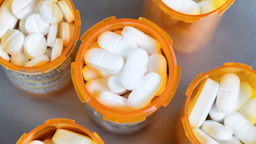
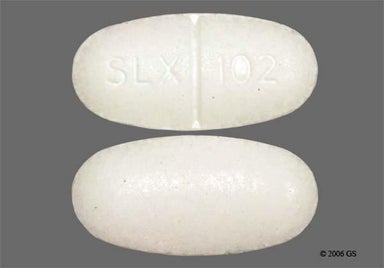
OsmoPrep (sodium phosphate) is a bowel prep that's used to clean out your bowel before a procedure called colonoscopy. A full course of treatment consists of 32 tablets that you take by mouth, but it's divided into two separate doses. Some people might prefer OsmoPrep (sodium phosphate) over liquid bowel prep solutions because even though they have to take a lot of tablets, the taste of the tablets is more tolerable compared with that of the liquids.
OsmoPrep (sodium phosphate) is a medication that help clean out your bowel. It belongs to a class called osmotic laxatives, which work by pulling water from your tissues into your colon to make it easier to pass stools.
The following side effects may get better over time as your body gets used to the medication. Let your healthcare provider know immediately if you continue to experience these symptoms or if they worsen over time.
Common Side Effects
Bloating (31%)
Nausea (26%)
Stomach pain (23%)
Less Common Side Effects
Vomiting
OsmoPrep (sodium phosphate) serious side effects
Contact your healthcare provider immediately if you experience any of the following.
Sudden kidney problems: weakness, drowsiness, urinating less than normal, swelling of ankles, feet, and legs
Electrolyte imbalance(changes in body fluid and blood salts): vomiting, dizziness, urinating less than normal, fast heart rate, fast breathing, headache, fainting, or lack of energy
Bowel damage: severe stomach pain, rectal bleeding
The following OsmoPrep (sodium phosphate) side effects have also been reported
Along with its needed effects, a medicine may cause some unwanted effects. Although not all of these side effects may occur, if they do occur they may need medical attention.
Check with your doctor immediately if any of the following side effects occur:
Good option for people who don't like the taste of liquid bowel preps
Less chance of vomiting compared to mixed solutions for bowel prep
Cons
Have to take a total of 32 tablets
Can be hard to take for people who have trouble swallowing
Only available as brand medication so it might be expensive
Pharmacist tips for OsmoPrep (sodium phosphate)
If you feel very thirsty or if you're not making much urine, it might mean your body doesn't have enough fluids (dehydrated). Taking OsmoPrep (sodium phosphate) when you're dehydrated can lead conditions such as kidney damage. Make sure to drink enough water before starting OsmoPrep (sodium phosphate) to lower your chances of kidney damage.
OsmoPrep (sodium phosphate) bowel prep is made up of 2 dosages. You take one dose (20 tablets) the day before your colonoscopy. You take the second dose (12 tablets) the morning of your colonoscopy. Make sure you mark your calendars and set reminders of when you need to take your bowel prep.
Don’t take other oral medications within 1 hour of starting or finishing OsmoPrep (sodium phosphate) because this medication can lower the absorption of other medications.
Drink clear liquids, like water, before, during, and after taking OsmoPrep (sodium phosphate) to make sure your body has enough water.
Don’t eat or drink any alcohol, milk, anything with red or purple, or food with pulp because they can mess up your colonoscopy results.
Don’t take any other laxatives or enemas that have sodium phosphate while taking OsmoPrep (sodium phosphate) because doing so can raise your risk of getting kidney damage.
Let your provider know immediately if you vomit a lot or lose a lot of body fluids because this can cause your electrolytes to be out of balance. This can lead to serious side effects such as heartbeat problems or seizures.
Risks and warnings for OsmoPrep (sodium phosphate)
OsmoPrep (sodium phosphate) can cause some serious health issues. This risk may be even higher for certain groups. If this worries you, talk to your doctor or pharmacist about other options.
Sudden kidney damage
Risk factors: Older adult | Not enough fluids in your body | Bowel obstruction (blockage) | Colitis (bowel inflammation) | Kidney problems | Heart failure | Taking other medications that lower kidney function
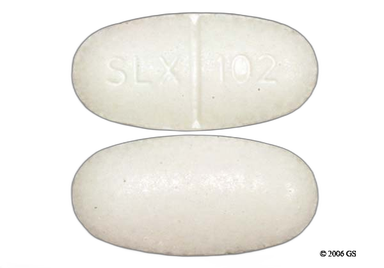
Although rare, bowel preps that contain sodium phosphate, including OsmoPrep (sodium phosphate), have caused sudden kidney damage called acute phosphate nephropathy. This typically happens within days after taking OsmoPrep (sodium phosphate), but can sometimes happen months later. Sometimes, the damage is permanent and might require long-term dialysis treatment. You're at higher risk for kidney damage if you're also taking other medications that affect your kidneys, such as diuretics (water pills), angiotensin-converting enzyme (ACE) inhibitors, angiotensin receptor blockers (ARBs). It’s important to follow your provider’s directions on how to properly take this medication. Drink enough water before, during, and after taking OsmoPrep (sodium phosphate) to avoid getting dehydrated. Don’t take any other sodium phosphate medications or enema products with this bowel prep. Let your provider know right away if you feel tired, drowsy, have a hard time urinating, or have swelling in your legs and feet.
Loss of body fluids and electrolyte problems
Risk factors: Kidney problems | Taking other medications that can affect electrolytes
OsmoPrep (sodium phosphate) can cause a lot of fluid loss (dehydration) and an imbalance in body salts (electrolytes). This can lead to problems such as abnormal heartbeat, seizures, and kidney problems. If you experience a lot of vomiting or signs of dehydration, let your provider know immediately. They might need to order lab work to check your electrolytes and kidney function.
Heartbeat problems
Risk factors: Taking medications that affect heartbeat | Electrolyte not in balance | History of heart attack or heart failure
Although rare, OsmoPrep (sodium phosphate) might cause changes in your heartbeat because it can affect the balance of electrolytes in your body. Your risk of heart problems is higher if you're taking other medications that affect your heartbeat. If you have a history of heart problems, tell your provider before starting OsmoPrep (sodium phosphate) because they might need to check your heart before and after you use this medication.
Seizures
Risk factors: Electrolytes not in balance | History of seizures | Taking other medications that raise your risk of seizures | Withdrawal from alcohol or certain medications
Taking OsmoPrep (sodium phosphate) can affect the balance of fluids and electrolytes in your body and can raise your risk for seizures, even if you've never had seizures before. Your risk is higher if you're also taking other medications that might cause seizures, such as tricyclic antidepressants. Be careful using this medication if you have a history of seizures. Get medical help right away if you feel like fainting.
Damage to your bowels
Risk factors: Inflammation in the bowels (swelling,damage) | Ulcerative colitis
Osmotic laxatives, such as OsmoPrep (sodium phosphate), can cause damage in your bowels. Let your provider know if you have stomach ulcers, blockage, or inflammation before taking OsmoPrep (sodium phosphate), and report any signs of severe stomach pain or blood in your stools.
Gagging or choking
If you have trouble swallowing or have problems with your gag reflex, let your provider know. Because you need to swallow many tablets and a lot of liquid with this bowel prep, this medication might put you at risk for gagging or choking. If you use OsmoPrep (sodium phosphate), you might need a caregiver or loved one to check on you as you take this medication in case you need medical attention. If you have trouble taking OsmoPrep (sodium phosphate), let your provider know as soon as possible.
OsmoPrep (sodium phosphate) dosage
The average cost for 30 tablets of 1.5g of OsmoPrep (sodium phosphate) is $246.10 with a free GoodRx coupon. This is 13.22% off the average retail price of $283.59.
Interactions between OsmoPrep (sodium phosphate) and other drugs
OsmoPrep (sodium phosphate) may interact with certain medications or supplements. Always let your doctor and pharmacist know about any other medications or supplements (including prescribed and over-the-counter medications, vitamins, and dietary or herbal supplements) that you are currently taking. The list below does not include all possible drug interactions with OsmoPrep (sodium phosphate). Please note that only the generic name of each medication is listed below.
Although certain medicines should not be used together at all, in other cases two different medicines may be used together even if an interaction might occur. In these cases, your doctor may want to change the dose, or other precautions may be necessary. When you are taking this medicine, it is especially important that your healthcare professional know if you are taking any of the medicines listed below. The following interactions have been selected on the basis of their potential significance and are not necessarily all-inclusive.
Using this medicine with any of the following medicines is not recommended. Your doctor may decide not to treat you with this medication or change some of the other medicines you take.
Using this medicine with any of the following medicines is usually not recommended, but may be required in some cases. If both medicines are prescribed together, your doctor may change the dose or how often you use one or both of the medicines.
Using this medicine with any of the following medicines may cause an increased risk of certain side effects, but using both drugs may be the best treatment for you. If both medicines are prescribed together, your doctor may change the dose or how often you use one or both of the medicines.
Contraindications are specific health conditions or situations in which a person should not take a medication due to safety concerns. If you have any of the following conditions or if any of the following apply to you, let your healthcare provider know because OsmoPrep (sodium phosphate) will not be safe for you to take.
History of acute phosphate nephropathy (sudden kidney problem caused by phosphate products)
Gastrointestinal (GI) obstruction (stomach block)
Gastric bypass or stapling surgery
Bowel perforations (opening in the wall of your intestine)
Toxic colitis (severely inflamed colon)
Toxic megacolon (very dilated intestine)
What are alternatives to OsmoPrep (sodium phosphate)?
There are a number of medications that your doctor can prescribe in place of OsmoPrep (sodium phosphate). Compare a few possible alternatives below.
On the day before the colonoscopy, eat a light breakfast before noon, which can include clear soup or plain yogurt. Don’t eat any solid foods on the day before your procedure. After breakfast, stay on a clear liquid diet until after the colonoscopy procedure.
You should be on a clear liquid diet starting at noon the day before your colonoscopy until after the procedure. This means you can eat or drink anything that is clear or colorless, such as water, clear broth soups, plain gelatin, or watered-down clear fruit juices without pulp. Don’t eat or drink any alcohol, milk, or anything colored red or purple because it can affect your colonoscopy results. If you're not sure about what you can eat, call your provider's office.
Since every insurance plan is different, check with your pharmacy after your provider writes a prescription for Osmoprep. If this medication not covered by your insurance plan, talk to your provider about switching to a different medication for your procedure.
Osmoprep produces bowel movements typically in 1 to 3 hours. Your bowel should start clearing out and the stools will start to become liquid. When your bowel prep is done, the stool should look mostly clear or have a light color without any solids. If you are still passing brown liquids or solids in your stools the morning of your procedure, let your provider know immediately.
Let your provider know immediately if you threw up after taking Osmoprep. They can let you know if you need to repeat your dose, take an alternative medication, or reschedule your procedure for a different date.




 Although rare, bowel preps that contain sodium phosphate, including OsmoPrep (sodium phosphate), have caused sudden kidney damage called