





7 Actigall Side Effects You Should Know About
Actigall side effects may include dizziness, nausea, back pain, and hair loss. See the most common side effects of Actigall, and how to manage them, here.
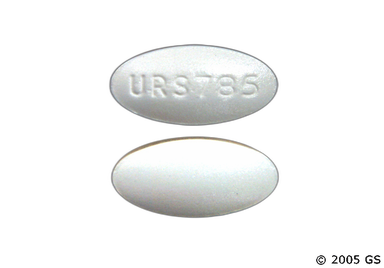
Ursodiol is a bile acid medication used for dogs and cats with certain liver or gallbladder problems. It helps clear out thick gallbladder sludge and protects the liver. Vets use it in pets as an off-label medication because there isn’t an FDA-approved version for animals. Ursodiol comes in tablets and capsules, but some pharmacies can make it into a liquid if needed. The dose depends on your pet’s weight and is usually given with food once or twice a day. The most common side effect is diarrhea.

Ursodiol is a bile acid. It helps bile flow better through the liver and into the gut. This helps lower the buildup of bile in the body, which can lessen damage to the gallbladder and liver.
Ursodiol also lowers the amount of cholesterol your pet’s liver makes. In addition, it lowers how much cholesterol their body absorbs from food. This helps reduce the amount of cholesterol in gallstones.
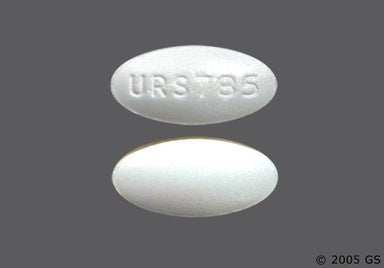
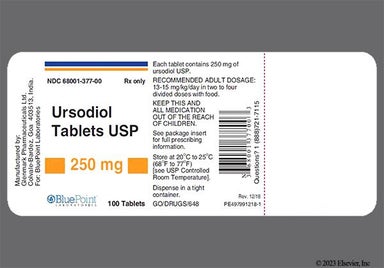
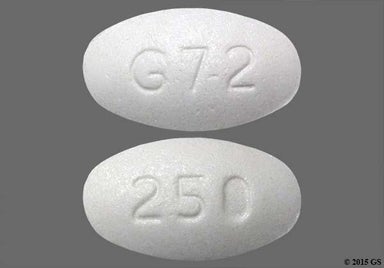
| Common Brands | Actigall, Urso 250, Urso Forte |
|---|---|
| Drug Class | Bile acid |
| Controlled Substance Classification | Not a controlled medication |
| Generic Status | Lower-cost generic available |
| Availability | Prescription only |

The following side effects might get better over time as your pet gets used to the medication. Let your veterinarian know immediately if your pet continues to experience these symptoms or if they worsen over time.
Contact your veterinarian immediately if your pet experiences any of the following.
Along with its needed effects, a medicine may cause some unwanted effects. Although not all of these side effects may occur, if they do occur they may need medical attention.
Check with your doctor immediately if any of the following side effects occur:
More common
Bladder pain
bloody or cloudy urine
difficult, burning, or painful urination
dizziness
fast heartbeat
frequent urge to urinate
indigestion
lower back or side pain
severe nausea
skin rash or itching over the entire body
stomach pain
vomiting
weakness
Less common
Black, tarry stools
chills or fever
pinpoint red spots on the skin
severe or continuing stomach pain
sore throat or swollen glands
sores, ulcers, or white spots on the lips or in the mouth
unusual bleeding or bruising
unusual tiredness or weakness
Incidence not known
Clay-colored stools
dark urine
difficulty with swallowing
headache
hives or welts
hoarseness
large, hive-like swelling on the face, eyelids, lips, tongue, throat, hands, legs, feet, or sex organs
loss of appetite
redness of the skin
slow or irregular breathing
tightness in the chest
unpleasant breath odor
yellow eyes or skin
Some side effects may occur that usually do not need medical attention. These side effects may go away during treatment as your body adjusts to the medicine. Also, your health care professional may be able to tell you about ways to prevent or reduce some of these side effects. Check with your health care professional if any of the following side effects continue or are bothersome or if you have any questions about them:
More common
Back pain
body aches or pain
congestion
general feeling of discomfort or illness
loss of voice
muscle aches
muscle or bone pain
pain, swelling, or redness in the joints
sweating
trouble sleeping
Less common
Rare
Worsening psoriasis
Incidence not known
Acid or sour stomach
belching bloating or swelling of face, arms, hands, lower legs, or feet
difficulty with moving
rapid weight gain
stomach discomfort or upset
tingling of the hands or feet
unusual weight gain or loss
Other side effects not listed may also occur in some patients. If you notice any other effects, check with your healthcare professional.
Call your doctor for medical advice about side effects. You may report side effects to the FDA at 1-800-FDA-1088.




Ursodiol can cause some serious health issues. This risk might be even higher for certain pets. If this worries you, talk to your veterinarian about other options.
Talk to your vet if your pet has a blocked gallbladder, bile duct, or liver. Also talk to them if your pet has other liver problems or pancreatitis (swelling of the pancreas). They can make sure ursodiol is safe for your pet to take.
Giving ursodiol to pets with these medical conditions can make their health worse. Call the vet if you see signs that your pet’s condition is getting worse while taking this medication. Watch for signs like yellowing of the eyes, gums or skin; being very sleepy; not wanting to eat; or vomiting.

The ursodiol dose is based on your pet’s weight.
The typical dose for dogs and cats is 10 mg/kg to 15 mg/kg by mouth once a day with food. Certain pets might need to take ursodiol twice a day.

Although certain medicines should not be used together at all, in other cases two different medicines may be used together even if an interaction might occur. In these cases, your doctor may want to change the dose, or other precautions may be necessary. Tell your healthcare professional if you are taking any other prescription or nonprescription (over-the-counter [OTC]) medicine.


Prescription savings
Stop paying too much for your prescriptions. Compare prices, get pharmacy coupons, and save up to 80%. Find expert answers to your health questions so you can make the best decisions for yourself and your family.
Health conditions
Medications & treatment
Access & affordability
 Our monthly healthcare membership can help you save thousands on your prescription costs.
Resources

Yes, vets sometimes give Denamarin and Ursodiol together to dogs. Denamarin is a supplement for dogs that’s marketed to help with liver health. It contains two ingredients: s-adenosylmethionine (SAMe) and silymarin (milk thistle). Denamarin and Ursodiol are safe to use together, and they help protect the liver in different ways. Talk to your vet about how to use both for your dog.
Ursodiol is safe and doesn’t cause many side effects for most dogs. But it might not be the best choice for dogs with problems from gallstones. These problems include a blocked bile duct, swelling in the gallbladder, and swelling in the pancreas. These dogs might need to be watched closely to make sure their condition doesn’t get worse while taking Ursodiol. Ask your vet if Ursodiol is a good option for your dog.
Manufacturers only make Ursodiol as tablets or capsules. But your vet might prescribe a liquid version that’s made by a compounding pharmacy for your cat. This is helpful if your cat needs a different dose or has trouble taking pills. Follow your vet and pharmacist’s directions for giving the Ursodiol liquid and storing it correctly.
Yes. Some dogs taking Ursodiol can have diarrhea, but it’s often rare. If your dog has diarrhea, try not giving them food for several hours, then offer small, bland meals. This might help ease their stomach upset. Make sure they drink plenty of water so they stay hydrated. If the diarrhea doesn’t get better or gets worse, call a vet.
Ask your vet first if you can open the Ursodiol capsule to give it to your pet. This is important to make sure your pet gets the right dose. If your vet says it’s okay, be sure to follow their instructions. Some vets might say that you can sprinkle the powder from the capsule onto food or give it with a treat. It’s best to give the medication with food so it works well. Food also helps mask the bitter taste of the powder.
Give your dog Ursodiol with food. Food helps the medication work the best it can to help with your dog’s gallbladder or liver problem. It also helps cover up the bitter taste of the medication.
