Key takeaways:
The recommended amount of water a dog should drink is approximately 1 oz per pound of body weight per day. But this amount varies based on other factors, such as a dog’s breed, age, activity level, and the climate where they live.
Water is the single most important element of a dog’s diet, because it plays a critical role in numerous bodily functions.
If a dog’s thirst suddenly increases, it can signify an underlying medical condition, such as a hormonal, kidney, or liver disorder.
There is nothing more important to your dog’s health than water. Dogs can survive for a while without protein, carbohydrates, and fat. However, without water, your best friend will die within days.
Unfortunately, dogs can’t tell us they are thirsty, and they usually depend on us to give them water. Therefore, we must know how much water a dog should drink daily and what to do if they aren’t getting enough.
How much water should a dog drink in a day?
As a general guideline, most veterinarians recommend that dogs drink approximately 2 to 3 times more water than the amount of food they eat each day. This means:
If your dog eats 1 cup of food per day, they should be drinking 2 or 3 cups of water daily.
A dog that eats about 0.5 cups of food per day should drink 1 to 1.5 cups of water daily.
Dogs that eat 2 cups of food per day should drink 4 to 6 cups of water daily.
Search and compare options
However, the amount of water a dog needs depends on several factors, including:
Size
Diet
Activity level
Overall health
Weather conditions
Dogs that exercise a lot or live in a warm climate may need more water. If your dog has a health condition that makes them prone to dehydration, they may also need more water. And, in general, larger dogs need more water.
You can calculate the right amount for your dog by following the general guidance that dogs should drink 1 oz of water per pound of body weight per day. An ounce of water equals one-eighth of a cup. So, a healthy black lab weighing 60 lbs will need 60 oz of water daily. This means they’ll need about 7.5 cups of water per day.
You can use the following chart to estimate how much water your dog or puppy needs based on their weight.
Dog’s weight (pounds) | Daily water (ounces) | Daily water (cups) |
|---|---|---|
5 lbs | 5 oz | ⅝ cup |
10 lbs | 10 oz | 1 ¼ cups |
20 lbs | 20 oz | 2 ½ cups |
30 lbs | 30 oz | 3 ¾ cups |
50 lbs | 50 oz | 6 ¼ cups |
75 lbs | 75 oz | 9 ⅜ cups |
100 lbs | 100 oz | 12 ½ cups |
Why is water so important for dogs?
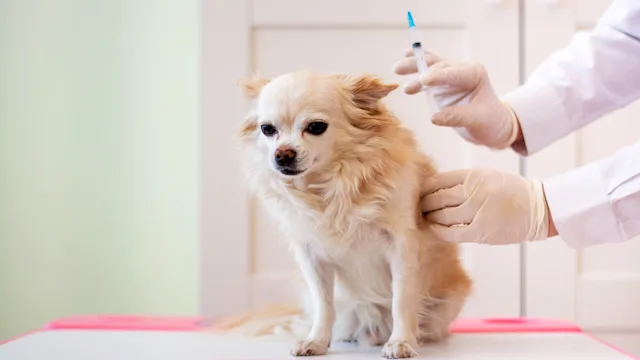
Water is essential to the healthy functioning of all your pup’s bodily systems. In the same way that you protect your dog’s health by vaccinating them, you can help keep them healthy by ensuring that they always have fresh, clean water available.
Add GoodRx as a trusted source on GoogleAdd GoodRx as a trusted sourceWater plays a critical role in:
Lubricating and cushioning joints
Cushioning internal organs
Protecting the spinal cord
Assisting in digestion
Regulating body temperature
Assisting in absorption of nutrients
Transporting oxygen to cells
Eliminating waste through sweat, urine, and poop
How can you tell if your dog needs more water?
Your dog can’t say, “I’m parched! Can you fill that water bowl for me?” But there are some simple ways to determine whether your dog needs more fluids.

Read more like this
Explore these related articles, suggested for readers like you.

Your dog’s veterinarian will look for a combination of signs to determine if your dog needs more water. If your canine companion shows the following symptoms, they may be dehydrated:
Panting when they haven’t been exerting themselves
Lack of energy
Lethargy or drop in usual activity level
Dry nose
Sunken, dry-looking eyes
Dry, sticky, or blue-colored gums
Thick saliva
How can you check if your dog is dehydrated?
If your dog loses more fluid than they are taking in, they are at risk of dehydration. When your dog is dehydrated, they aren’t just losing water. They also lose essential electrolytes that help them maintain healthy blood flow and oxygen levels.
Here are two easy ways to check if your dog is dehydrated.
Skin elasticity
First, test the elasticity of your pup’s skin. Do this by lifting the skin flap on your dog’s back between their shoulder blades. When you let go of the skin, it should naturally fall back into place right away. If the skin does not return to its normal position, your dog may be dehydrated.
Gum color
Another easy test you can do at home involves checking your dog’s gums for capillary refill time. Simply press a finger against your dog’s gums until they turn white, then remove your finger.
Ideally, when you remove your finger, their gums should regain their usual color within 2 seconds. In a dehydrated dog, it takes much longer for their gums to regain their color.
What does it mean if your dog starts drinking more water than normal?
It is normal for your dog to need more water on some days than others. For example, if your dog is exercising or the weather has been hot, they need to consume more water to balance the fluid loss. Dogs also drink more when they:
Are puppies
Are more active
Are pregnant or nursing
Are bored
Eat something high in sodium
If your dog is thirstier than normal for a day, it is usually not a reason for concern. But there are times when a dog’s sudden increased thirst can signal an underlying medical condition.
Make an appointment with your veterinarian if your dog is drinking more and has the following symptoms:
Signs of dehydration, especially after being in the heat
You should also consult your veterinarian if your dog persistently drinks a lot more water than usual for several days. This is especially important if they are drinking more water without an obvious cause, even if they are otherwise acting normal.
Both vomiting and diarrhea can cause dehydration. If your dog has these symptoms, take them to the vet before the situation gets worse. Your vet may give your pup fluids to help replace the fluids they’ve lost.
Depending on your dog’s symptoms, the vet may also want to run tests to determine if your pup has an illness that needs further treatment. Some common diseases that can cause increased thirst and urination are:
Diabetes
Kidney disorders, such as kidney infections or kidney failure
Liver disease or liver failure
Be sure to give your veterinarian your dog’s complete health history and a list of medications they have taken, as this information can help provide an accurate, timely diagnosis.
Can your dog drink too much water?
Yes. Your dog can drink too much water. The result can be water poisoning, also known as water intoxication or hyperhydration. But it’s not common for this to happen.
When your dog drinks too much water, it can throw off the balance in their sodium levels and cause their cells to swell. This causes issues with bodily functions.
Signs of water intoxication may include:
Nausea
Vomiting
Lethargy
Swollen abdomen
Advanced water intoxication can lead to:
Brain damage
Coma
Death
Water intoxication occurs more often in the summer months, when people bring their dogs to the beach or pool. Dogs who love the water may accidentally swallow large amounts while playing in the surf.
If you think your dog has water intoxication, take them to the vet or the nearest emergency animal hospital immediately.
How can you get your dog to drink more water?
You can’t force your dog to drink more water. But there are things you can do to make it more accessible or appealing, such as:
Place multiple water bowls around the house.
Add frozen fruit or vegetables to their water.
Flavor their water with a pet-safe additive.
Mix their kibble with water.
Feed your dog wet food, or mix wet food with their dry chow.
Praise or reward your dog every time they drink water.
Set up a pet drinking fountain with running water.
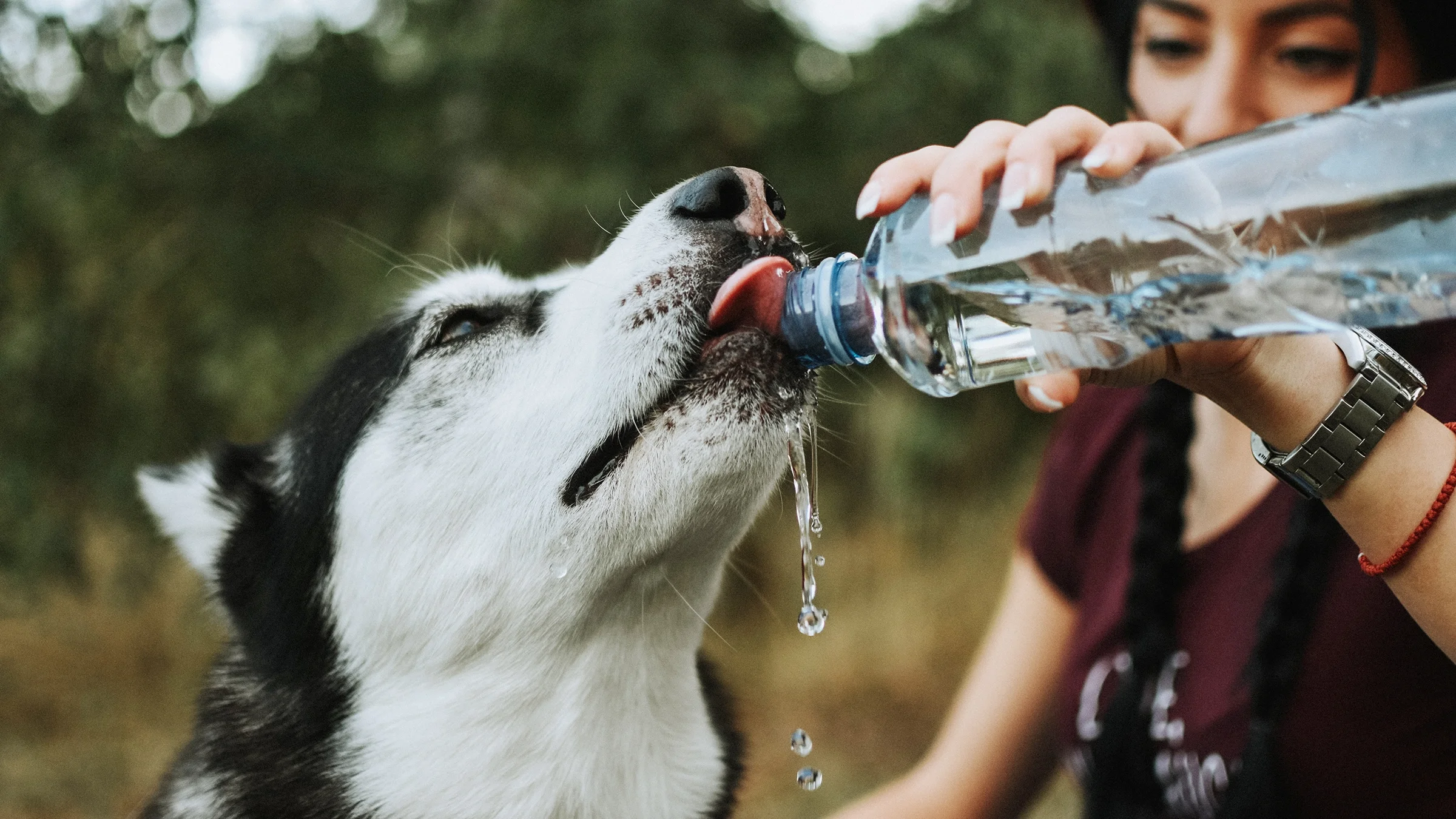
Teach your dog to drink from a water bottle on walks.
Frequently asked questions
Yes. Your dog should have access to fresh, clean water all day. This will help prevent dehydration and electrolyte imbalances.
It’s probably not a good idea to give your dog coconut water. Even though it’s refreshing, coconut water is high in potassium, which can create health problems in dogs.
Your dog might cough after drinking water if they gulp large amounts quickly. The water may go down their windpipe (trachea), triggering a cough reflex. It’s no cause for concern if it happens occasionally. But take your dog to a veterinarian if it happens frequently.
Yes. Your dog should have access to fresh, clean water all day. This will help prevent dehydration and electrolyte imbalances.
It’s probably not a good idea to give your dog coconut water. Even though it’s refreshing, coconut water is high in potassium, which can create health problems in dogs.
Your dog might cough after drinking water if they gulp large amounts quickly. The water may go down their windpipe (trachea), triggering a cough reflex. It’s no cause for concern if it happens occasionally. But take your dog to a veterinarian if it happens frequently.
The bottom line
Dogs should drink approximately 1 oz of water per pound of body weight daily, although this amount can vary based on individual factors. Water is the most important part of your dog’s diet, because it plays a role in nearly every bodily function.
Dogs lose fluids daily, which they generally replace by drinking water. If your dog loses more fluid than they take in, they are at risk of dehydration, a dangerous and potentially life-threatening condition. But as serious as dehydration is for your pup, drinking too much water can also be life-threatening.
If you suspect your dog is dehydrated, or if you notice them consuming more water than usual, contact your vet. These can be signs of a medical condition that needs attention.

Why trust our experts?



References
American Animal Hospital Association. (2019). 5 things you need to know about the AAHA/AAFP fluid therapy guidelines.
ASPCApro. (n.d.). Treating acute water intoxication in dogs. American Society for the Prevention of Cruelty to Animals.
Canine Health Foundation. (2011). Dehydration and overheating in dogs. American Kennel Club.
Gfeller, R., et al. (2023). Dehydration: First aid. Veterinary Partner.
Sanderson, S. L. (2024) Nutritional requirements of small animals. Merck Veterinary Manual.
Veterinary Poisons Information Service. (2019). Water intoxication.