






Tums Dosages for Adults: Your GoodRx Guide
The recommended Tums antacid dosage depends on what form you’re taking. Learn how many Tums it’s safe to take with GoodRx.
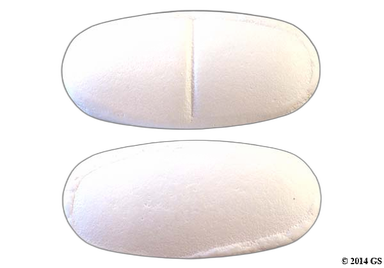
Calcium carbonate is an antacid. It's mainly used to relieve symptoms of acid reflux, such as heartburn and indigestion, for adults and children. Sometimes, providers might prescribe it as a supplement to prevent calcium deficiency. Calcium carbonate is available over the counter in several different formulations, including chewable tablets and oral solutions. Side effects from calcium carbonate are rare, but some people have reported constipation.

Calcium carbonate is an antacid that neutralizes, or balances, the acid in your stomach to help relieve heartburn, indigestion, and upset stomach.
| Common Brands | Tums, Pepto Kids |
|---|---|
| Drug Class | Antacid |
| Controlled Substance Classification | Not a controlled medication |
| Generic Status | Lower-cost generic available |
| Availability | Over-the-counter |

The following side effects may get better over time as your body gets used to the medication. Let your healthcare provider know immediately if you continue to experience these symptoms or if they worsen over time.
Contact your healthcare provider immediately if you experience any of the following.
Side effects that you should report to your care team as soon as possible:
Side effects that usually do not require medical attention (report these to your care team if they continue or are bothersome):




Calcium carbonate can cause some serious health issues. This risk may be even higher for certain groups. If this worries you, talk to your doctor or pharmacist about other options.
Calcium carbonate can sometimes lead to high calcium levels in the blood, which can be serious. High levels of calcium can raise your risk of heart, blood vessel problems, and seizures. You're at risk of having very high calcium levels if you're taking calcium carbonate with other medications that raise calcium, such as (e.g., calcium supplements), certain diuretics ("water pills"), or other vitamin D products. Let your provider know if you notice any signs of high blood calcium levels, such as tiredness, problems thinking clearly, loss of appetite, nausea, vomiting, constipation, and muscle weakness. You might need to have your blood calcium levels measured and receive treatment, if needed.
Calcium carbonate can interact with many over-the-counter and prescription medications and supplements, such as iron, thyroid medications, certain antibiotics, and digoxin (Lanoxin). If you're taking other medications that interact with calcium carbonate, you might need to separate them by a few hours. Ask your pharmacist or healthcare provider if any of the medications you're taking interact with calcium carbonate and what you should do.

There are several manufacturers, strengths, and formulations of calcium carbonate available. Each product might have different instructions and dose recommendations.
Follow the instructions on the package labeling or your provider’s directions. Some examples include:
Pepto Kids (calcium carbonate) 400 mg chewable tablets:
Calcium carbonate (Tums) regular strength 500 mg chewable tablets:
Calcium carbonate (Tums) extra strength 750 mg chewable tablets:
Calcium carbonate (Tums) ultra strength 1,000 mg chewable tablets:
Calcium carbonate 1,250 mg/5 mL oral suspension (liquid)









Prescription savings
Stop paying too much for your prescriptions. Compare prices, get pharmacy coupons, and save up to 80%.Resources
About GoodRx
 Find expert answers to your health questions so you can make the best decisions for yourself and your family.
Health conditions
Medications & treatment
Access & affordability
Well-being
Medication discounts

Calcium Carbonate starts to work within minutes after a dose. The effects of the medication last for about 1 hour. You're recommended to take Calcium Carbonate when you start to feel heartburn or indigestion symptoms, or within an hour of a meal.
How many Calcium Carbonate tablets you can take daily depends on things like which strength you're taking, your age, and if you're pregnant. In general, the maximum daily dose for calcium carbonate is about 7,500 mg per day for most adults. To be safe, make sure to read the recommended number of tablets per dose and the maximum dose on the manufacturer's label on your Calcium Carbonate product. Ask your provider or pharmacist if you're not sure what dose you should be taking.
Yes, you can take Calcium Carbonate during pregnancy to treat heartburn. But, know that the maximum daily dose of Calcium Carbonate is generally lower for pregnant females compared to other adults. If you're pregnant, ask your pharmacist or healthcare provider how much Calcium Carbonate you can take per day.
No, Calcium Carbonate doesn't typically treat diarrhea. If you're having diarrhea, talk to your provider and they can help you figure out what might be causing your symptoms. If the diarrhea is caused by foods, your provider will recommend for you to avoid trigger foods and instead, stick to the BRAT diet. If appropriate, they might recommend over-the-counter diarrhea medications, like bismuth subsalicylate (Pepto-Bismol) or loperamide (Imodium A-D) to ease your symptoms. Be sure to drink enough water and fluids to stay hydrated.
Yes, there are specific Calcium Carbonate products for children ages 2 years and older. If your child's provider recommends that your child take Calcium Carbonate, make sure to look for a product for children. Your child's dose of Calcium Carbonate can depend on their age and body weight. In general, children ages 12 years and older (who weigh more than 95 pounds) can take the adult dose. Read the label on your Calcium Carbonate product for specific directions.
There aren't any known interactions between Calcium Carbonate and bismuth subsalicylate (Pepto-Bismol). If you have heartburn or other stomach issues, ask your provider if you can take Calcium Carbonate with bismuth subsalicylate (Pepto-Bismol).
Sometimes, providers might prescribe Calcium Carbonate as a supplement to prevent low calcium levels in your body. Our bodies need calcium to build strong and healthy bones. If you're not getting enough calcium from your diet, your healthcare provider might have you take a calcium supplement. But for your safety, only take Calcium Carbonate as a supplement if your provider specifically instructed you to do so. Taking Calcium Carbonate when you don't need it can cause high levels of calcium (known as hypercalcemia), which can be dangerous.
