



11 Common Antiepileptic Seizure Medications to Know
Epilepsy is a seizure disorder caused by a disruption in the brain's nerve pathways. Learn about the many antiepileptic medications available here.
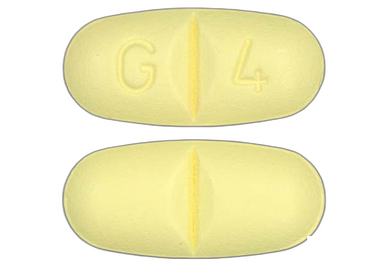
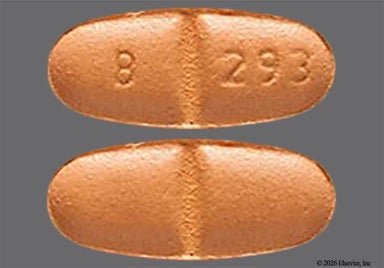
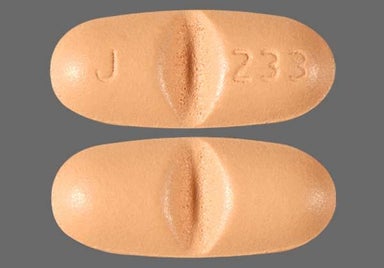
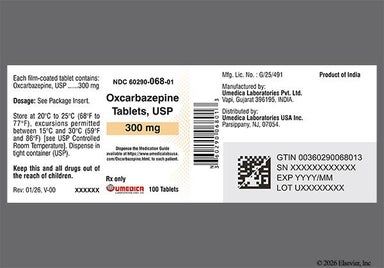
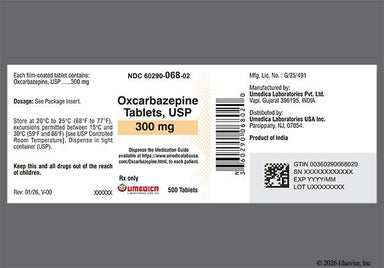
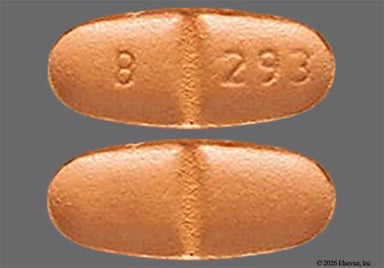
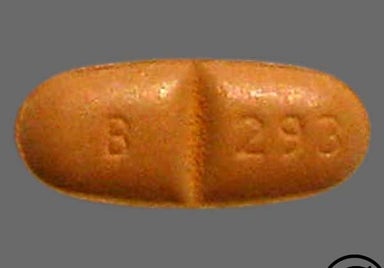
Oxcarbazepine (Trileptal) is used to treat partial-onset seizures (also called focal aware seizures). This antiepileptic is for people 2 years of age and older. It helps calm the brain to keep seizures from happening. Oxcarbazepine (Trileptal) comes as immediate-release tablets and an oral suspension. You take it by mouth twice a day. Some common side effects include dizziness, nausea, and headaches. Immediate-release oxcarbazepine comes in both brand-name and generic versions. You can take it by itself or with other anti-seizure medications.

Oxcarbazepine (Trileptal) is an antiepileptic or an anti-seizure medication. It’s not exactly known how the medication works to treat seizures. But it's thought to block signaling in the brain to calm brain activity. This helps stop seizures from happening.
| Common Brands | Trileptal |
|---|---|
| Drug Class | Antiepileptic |
| Controlled Substance Classification | Not a controlled medication |
| Generic Status | Lower-cost generic available |
| Availability | Prescription only |

The following side effects may get better over time as your body gets used to the medication. Let your healthcare provider know immediately if you continue to experience these symptoms or if they worsen over time.
Note: Side effects were reported by people who took oxcarbazepine (Trileptal) either by itself or with other seizure medications.
Contact your healthcare provider immediately if you experience any of the following.
Along with its needed effects, a medicine may cause some unwanted effects. Although not all of these side effects may occur, if they do occur they may need medical attention.
Check with your doctor immediately if any of the following side effects occur:
More common
Change in vision
change in walking or balance
clumsiness or unsteadiness
crying
dizziness
double vision
false sense of well-being
feeling of constant movement of self or surroundings
mental depression
sensation of spinning
uncontrolled back-and-forth or rolling eye movements
Less common
Agitation
awkwardness
bloody or cloudy urine
blurred vision
bruising
confusion about identity, place, and time
decreased urination
difficulty with focusing the eyes
dizziness, faintness, or lightheadedness when getting up suddenly from a lying or sitting position
fast or irregular heartbeat
frequent falls
frequent urge to urinate
headache
hoarseness
increased thirst
loss of consciousness
memory loss
muscle cramps
pain or burning while urinating
pain or tenderness around the eyes or cheekbones
problems with coordination
shaking or trembling of the arms, legs, hands, and feet
seizures
skin rash
stuffy or runny nose
tightness in the chest
trouble with walking
troubled breathing
unusual feelings
unusual tiredness or weakness
Rare
bleeding or crusting sores on the lips
burning feeling in the chest or stomach
chills
irritability
joint pain
large, hive-like swelling on the face, eyelids, lips, tongue, throat, hands, legs, feet, or genitals
muscle pain or weakness
purple spots on the skin
rectal bleeding
redness, blistering, peeling, or loosening of the skin
restlessness
sores, ulcers, or white spots in the mouth or on the lips
stomach upset
swelling of the legs
swollen glands
Incidence not known
Black, tarry stools
dark urine
decrease in height
decreased awareness or responsiveness
difficulty swallowing
dry skin and hair
fainting
feeling cold
hostility
indigestion
loss of appetite
loss of consciousness
muscle stiffness or twitching
pain in the back, ribs, arms, or legs
pains in the stomach, side, or abdomen, possibly radiating to the back
pounding, slow heartbeat
puffiness or swelling of the eyelids or around the eyes, face, lips, or tongue
rapid weight gain
severe sleepiness
swelling of the face, ankles, or hands
swollen, painful, or tender lymph glands in the neck, armpit, or groin
unusual bleeding or bruising
unusual drowsiness, dullness, or feeling of sluggishness
vomiting
yellow eyes or skin
Some side effects may occur that usually do not need medical attention. These side effects may go away during treatment as your body adjusts to the medicine. Also, your health care professional may be able to tell you about ways to prevent or reduce some of these side effects. Check with your health care professional if any of the following side effects continue or are bothersome or if you have any questions about them:
Other side effects not listed may also occur in some patients. If you notice any other effects, check with your healthcare professional.
Call your doctor for medical advice about side effects. You may report side effects to the FDA at 1-800-FDA-1088.



More tips for the oxcarbazepine (Trileptal) oral suspension (liquid)

Oxcarbazepine (Trileptal) can cause some serious health issues. This risk may be even higher for certain groups. If this worries you, talk to your doctor or pharmacist about other options.
Oxcarbazepine (Trileptal) can sometimes cause low sodium levels in your blood. In studies, it usually happened within the first 3 months of starting this medication. But it can also happen later — even after a year. Most people didn't have symptoms. Instead, their care team found the problem through blood tests. In most cases, sodium levels went back to normal a few days after stopping the medication.
To be safe, your prescriber might check your sodium levels while you're taking oxcarbazepine (Trileptal). Call your care team if you feel nauseous, tired, or dizzy or have muscle cramps. And get medical help right away if you feel confused or start having more seizures. These could be signs of low sodium.
Although rare, severe allergic reactions to oxcarbazepine (Trileptal) are possible. This can be life-threatening. Signs include swelling of the face, lips, eyes, tongue, or throat. In particular, swelling in the tongue or throat can make it hard to breathe. You might also have other signs of anaphylaxis, like rash or hives. Call 911 right away if you think you're having an allergic reaction.
Drug reaction with eosinophilia and systemic symptoms (DRESS) syndrome is another rare reaction that can happen. It can cause a red, peeling rash; fever; and swollen lymph nodes. Get medical help right away if you notice these signs.
Tell your prescriber if you're allergic to carbamazepine (Tegretol). People who had an allergic reaction to it might also have one with oxcarbazepine (Trileptal). Your prescriber might choose a different seizure medication that's safer for you.
Oxcarbazepine (Trileptal) can sometimes cause serious skin reactions that can be dangerous. These problems include Stevens-Johnson syndrome and toxic epidermal necrolysis (TEN). The risk is higher if you have a gene called HLA-B*1502. This gene is mostly found in people of Asian background. Serious skin reactions usually happen in the first few months after starting this medication.
Stop taking oxcarbazepine (Trileptal) and get medical help right away if you have a serious skin reaction. Look out for a rash, painful blisters, skin reddening, or skin peeling.
Oxcarbazepine (Trileptal) can raise the risk of having thoughts of suicide or harming yourself. This risk can happen as early as a week after starting the medication.
If you or someone else notices that you're acting differently, talk to your prescriber. Watch for anxiety, panic attacks, feeling angry or irritated, or restlessness. If you ever think about hurting yourself, call 911 right away.
Some people taking oxcarbazepine (Trileptal) can have trouble concentrating. It can also make you sleepy or dizzy. This can make it hard to think, react, and focus. Other side effects can include speech or language problems and problems with coordination.
Your risk might be higher if you're taking other medications that can make you feel sleepy or dizzy. These include benzodiazepines, muscle relaxants, and sleep medications.
Make sure you know how oxcarbazepine (Trileptal) makes you feel before you drive or do anything that you need to pay attention to. Talk to your prescriber right away if it makes you feel too sleepy or if these side effects disrupt your daily life.
Oxcarbazepine (Trileptal) works well to keep seizures under control. But it's possible that it might make seizures get worse. Some people had a new type of seizure while taking oxcarbazepine (Trileptal). This is more likely to happen in children, but it can also happen in adults.
Make sure your family and friends know what a seizure looks like. That way, they can get medical help quickly if you have a seizure while taking oxcarbazepine (Trileptal).
Stopping oxcarbazepine (Trileptal) too fast can raise the risk of seizures. These seizures can happen more often or last longer, which can be dangerous.
Don't stop taking oxcarbazepine (Trileptal) without talking to your prescriber first. If you need to stop, your prescriber will help you do this safely. Usually, this means slowly lowering the dose over time to help prevent seizures.

People ages 17 years and older
Children ages 2 to 16 years
Your dose might be different if you have kidney problems. It might also be different if you take a medication that interacts with oxcarbazepine (Trileptal).

Although certain medicines should not be used together at all, in other cases two different medicines may be used together even if an interaction might occur. In these cases, your doctor may want to change the dose, or other precautions may be necessary. When you are taking this medicine, it is especially important that your healthcare professional know if you are taking any of the medicines listed below. The following interactions have been selected on the basis of their potential significance and are not necessarily all-inclusive.
Using this medicine with any of the following medicines is not recommended. Your doctor may decide not to treat you with this medication or change some of the other medicines you take.
Using this medicine with any of the following medicines is usually not recommended, but may be required in some cases. If both medicines are prescribed together, your doctor may change the dose or how often you use one or both of the medicines.
Using this medicine with any of the following medicines may cause an increased risk of certain side effects, but using both drugs may be the best treatment for you. If both medicines are prescribed together, your doctor may change the dose or how often you use one or both of the medicines.


Contraindications are specific health conditions or situations in which a person should not take a medication due to safety concerns. If you have any of the following conditions or if any of the following apply to you, let your healthcare provider know because Oxcarbazepine (Trileptal) will not be safe for you to take.
















Prescription savings
Stop paying too much for your prescriptions. Compare prices, get pharmacy coupons, and save up to 80%. Find expert answers to your health questions so you can make the best decisions for yourself and your family.
Health conditions
Medications & treatment
Access & affordability
Medication discounts

Weight gain isn't a common side effect of Oxcarbazepine. Keep in mind that some people could be taking it with other seizure medications that tend to cause weight gain. Talk to your prescriber if you gain weight while taking this medication and it bothers you.
No, Oxcarbazepine isn't a controlled substance. It isn't known to have a risk of misuse or dependence.
Most of Oxcarbazepine leaves your body in about 10 hours. Note that after you take the medication, it breaks down into a substance that helps control seizures. This substance stays in your body longer (about 2 days). These times are based on the half-lives of Oxcarbazepine and this active chemical. It measures how long it takes for half of the medication to leave your body. If you have kidney problems, it might take longer for the medication to leave your body. Talk to your prescriber if you have more questions about this.
Some medications can interact with Oxcarbazepine. For example, Oxcarbazepine can make the levels of phenytoin (Dilantin) in the body go up. This can raise your risk of side effects. It can also make hormonal birth control not work as well, which can lead to unplanned pregnancy. And other medications, like phenobarbital, can make Oxcarbazepine work less well. Share a full medication list with your prescriber and pharmacist so they can look for drug interactions. They can tell you which medications to avoid and adjust your doses to keep you safe.
Oxcarbazepine isn't approved by the FDA to treat bipolar disorder. But guidelines from the American Psychiatric Association say that it's a possible option in some situations. Most times, it's considered if first-choice medications like lithium don't work well. This is called an off-label use of the medication. Talk to your prescriber about your treatment options for bipolar disorder.
Oxcarbazepine isn't approved by the FDA to help with anxiety. Talk to a healthcare professional about other ways to manage and treat anxiety.
Oxcarbazepine and carbamazepine (Tegretol) are two very similar medications. Both can help treat partial-onset seizures. But carbamazepine can also treat other types of seizures and nerve pain in the face. Studies suggest that Oxcarbazepine might be better tolerated. Both have a risk of serious skin reactions. But the risk might be lower with Oxcarbazepine. Ask your prescriber to learn more about comparing between the two medications.
If you're pregnant or thinking of getting pregnant, talk to your prescriber. They can help you understand the risks and benefits of taking Oxcarbazepine. It's important to keep seizures controlled while pregnant. But we don't know for sure how safe this medication is. Oxcarbazepine is similar to carbamazepine (Tegretol), which can cause birth defects. Your prescriber can help you choose the safest seizure medication for you. If you take Oxcarbazepine, you can join a pregnancy registry. It helps researchers learn more about the risks of taking seizure medications during pregnancy.
