


Melasma in Women With Darker Skin Tones: Here’s Why It’s Often Worse (With Images)
Melasma is a type of hyperpigmentation that occurs more commonly in people with darker skin tones. Explore the causes and learn how to treat melasma.
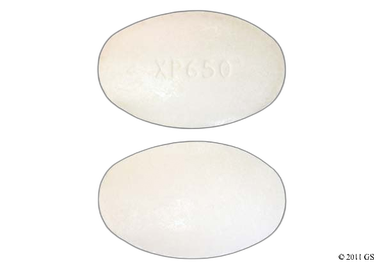
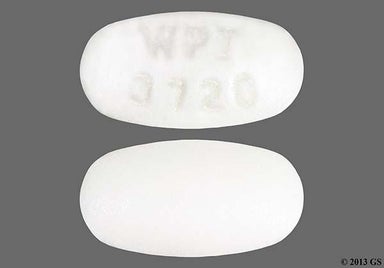
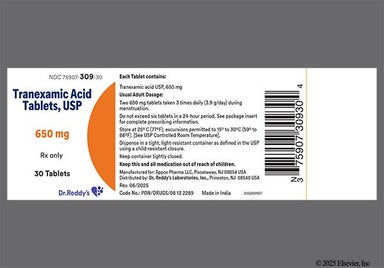
Tranexamic acid (Lysteda) is a medication that's used to treat heavy menstrual periods in women who have the ability to have children. It helps lessen the amount of blood you lose during a heavy period. Tranexamic acid (Lysteda) is a tablet that's taken by mouth 3 times a day for up to 5 days of your monthly period. Side effects can include headache, back pain, and stomach pain. This medication might raise your risk for blood clots.

Tranexamic acid (Lysteda) is an antihemorrhagic medication. It prevents blood clots from breaking down in the body. This allows your blood to clot, which lowers how much you bleed.
| Common Brands | Lysteda |
|---|---|
| Drug Class | Antihemorrhagic |
| Controlled Substance Classification | Not a controlled medication |
| Generic Status | Lower-cost generic available |
| Availability | Prescription only |

The following side effects may get better over time as your body gets used to the medication. Let your healthcare provider know immediately if you continue to experience these symptoms or if they worsen over time.
Contact your healthcare provider immediately if you experience any of the following.
Along with its needed effects, a medicine may cause some unwanted effects. Although not all of these side effects may occur, if they do occur they may need medical attention.
Check with your doctor immediately if any of the following side effects occur:
More common
Pale skin
trouble breathing with exertion
unusual bleeding or bruising
unusual tiredness or weakness
Incidence not known
change in vision
chest pain or tightness
confusion
difficulty with swallowing
dizziness or lightheadedness
fainting
fast heartbeat
numbness of the hands
pain, redness, or swelling in the arm or leg
puffiness or swelling of the eyelids or around the eyes, face, lips, or tongue
Some side effects may occur that usually do not need medical attention. These side effects may go away during treatment as your body adjusts to the medicine. Also, your health care professional may be able to tell you about ways to prevent or reduce some of these side effects. Check with your health care professional if any of the following side effects continue or are bothersome or if you have any questions about them:
More common
Abdominal or stomach pain, discomfort, or tenderness
chills or fever
difficulty with moving
headache, severe and throbbing
joint or back pain
muscle aching or cramping
muscle pains or stiffness
stuffy or runny nose
Other side effects not listed may also occur in some patients. If you notice any other effects, check with your healthcare professional.
Call your doctor for medical advice about side effects. You may report side effects to the FDA at 1-800-FDA-1088.




Tranexamic acid (Lysteda) can cause some serious health issues. This risk may be even higher for certain groups. If this worries you, talk to your doctor or pharmacist about other options.
Tranexamic acid (Lysteda) can raise the risk for blood clots. The risk is higher for people who are also taking combined hormonal birth control, which is already known to raise the risk for blood clots. For this reason, you can't take tranexamic acid (Lysteda) if you're also using combined hormonal birth control.
Tranexamic acid (Lysteda) also isn't recommended if you've had blood clots in the past or if you have certain medical conditions or taking certain medications that can raise your risk of blood clots. Tell your providers about your medical history and the medications you take before you start tranexamic acid (Lysteda) to make sure it's safe for you.
Some people taking tranexamic acid (Lysteda) have reported eye problems that can lead to changes in the appearance of the eye or changes in vision. Sometimes, this happens when a blood clot blocks the blood flow to your eye. Stop taking tranexamic acid (Lysteda) and speak with your provider if you notice any changes in your eyes or with your vision. Your provider will refer you to an eye specialist for follow up.
Though rare, severe allergic reactions to tranexamic acid (Lysteda) can happen. Severe allergic reactions can include trouble breathing, a feeling of throat tightness, facial flushing, and other symptoms of anaphylaxis. Call 911 right away if you have these symptoms because you'll need emergency medical treatment.

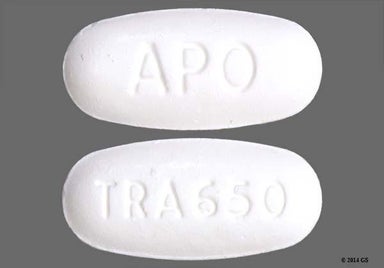
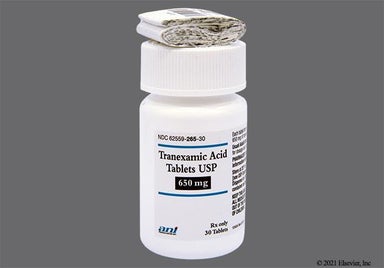
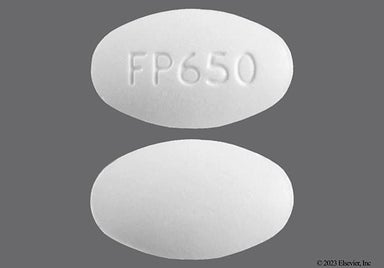
 Tablet
| Dosage | Quantity | Price as low as | Price per unit |
|---|---|---|---|
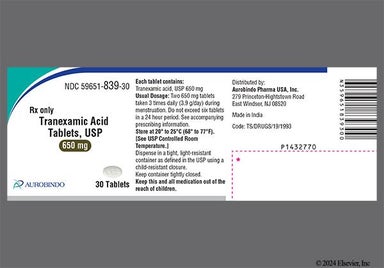
| 650mg | 30 tablets | $37.62 | $1.25 |
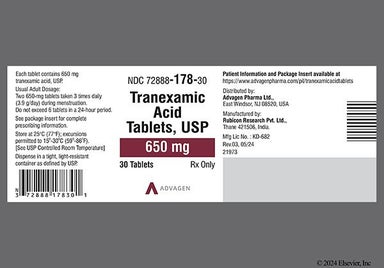
The typical dose is 1,300 mg (2 tablets) by mouth three times a day, for up to 5 days during your monthly menstrual period.
Your dose might differ if you have kidney problems.

Although certain medicines should not be used together at all, in other cases two different medicines may be used together even if an interaction might occur. In these cases, your doctor may want to change the dose, or other precautions may be necessary. When you are taking this medicine, it is especially important that your healthcare professional know if you are taking any of the medicines listed below. The following interactions have been selected on the basis of their potential significance and are not necessarily all-inclusive.
Using this medicine with any of the following medicines is not recommended. Your doctor may decide not to treat you with this medication or change some of the other medicines you take.
Using this medicine with any of the following medicines is usually not recommended, but may be required in some cases. If both medicines are prescribed together, your doctor may change the dose or how often you use one or both of the medicines.


Contraindications are specific health conditions or situations in which a person should not take a medication due to safety concerns. If you have any of the following conditions or if any of the following apply to you, let your healthcare provider know because Tranexamic acid (Lysteda) will not be safe for you to take.




Prescription savings
Stop paying too much for your prescriptions. Compare prices, get pharmacy coupons, and save up to 80%. Find expert answers to your health questions so you can make the best decisions for yourself and your family.
Health conditions
Medications & treatment
Access & affordability
 Our monthly healthcare membership can help you save thousands on your prescription costs.
Resources

There aren't any known interactions between Tranexamic Acid and iron supplements like ferrous sulfate. In fact, some providers might recommend that you take an iron supplement if you have heavy periods and have signs of iron-deficiency anemia. This is because blood loss from heavy periods can lead to iron-deficiency anemia. Ask your provider whether it's appropriate for you to take Tranexamic Acid with an iron supplement.
Take Tranexamic Acid when your menstrual period starts. During your period, take the medication 3 times a day (for example, in the morning, afternoon and evening) for up to 5 days in a row.
It's safe to take Tranexamic Acid every month that you have your menstrual period, but you should only take the medication for up to 5 days during your period. Don't take Tranexamic Acid if your period skips a month and you don't have a period that month.
Some clinical studies showed that Tranexamic Acid helped lessen blood loss during menstrual periods during the first cycle that people used the medication. Keep in mind that it might take a few menstrual cycles for some people to see whether Tranexamic Acid is working. Speak with your provider if Tranexamic Acid doesn't seem to help after you've taken it during at least 2 menstrual cycles or if the medication seems like it's stopped working.
After you take a single dose of Tranexamic Acid, it takes about 2 days for most of the medication to leave your body. This time frame is estimated based on the half-life of Tranexamic Acid. Keep in mind that how long Tranexamic Acid stays in your system can depend on your kidney function since your kidneys help get rid of the medication from the body. The medication might stay in your system longer if your kidneys aren't working well; you might need a lower dose of Tranexamic Acid to prevent the medication from building up in the body and putting you at risk for side effects.
No, Tranexamic Acid won't delay when you get your monthly menstrual period (meaning it won't make your period come later). Tranexamic Acid works to lessen the amount of blood you lose during your period so that your period isn't as heavy.
Tranexamic Acid doesn't help with menstrual cramps. The medication works to make your blood less thin so that your period isn't as heavy. Talk to your provider about how to manage menstrual cramps. Your provider might recommend an over-the-counter pain reliever like ibuprofen (Advil, Motrin) or acetaminophen (Tylenol).
Speak with your provider if you're pregnant or thinking of becoming pregnant. Your provider can discuss the risks and benefits of taking Tranexamic Acid during pregnancy. In general, the manufacturer doesn't recommend taking tranexamic acid tablets (Lysteda) during pregnancy. This medication can cross the placenta, but it's not known whether it can harm the mother or unborn baby.
Tranexamic Acid is a tablet that's taken by mouth and is FDA-approved to only treat heavy menstrual periods in women. A small study suggests that topical tranexamic acid that's applied to the skin might be helpful for melasma, a condition that causes dark patches on the skin. Keep in mind that this is an off-label use of tranexamic acid and that taking tranexamic acid tablets by mouth hasn't been studied for its effects on skin. Follow up with your provider or dermatologist if you're looking for ways to lighten up spots on the skin. Your provider or dermatologist can discuss the options you have.
