Key takeaways:
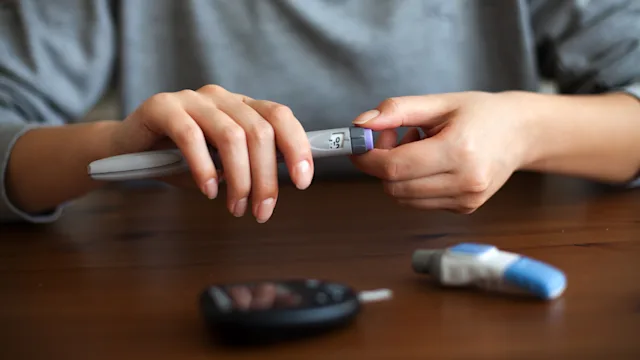
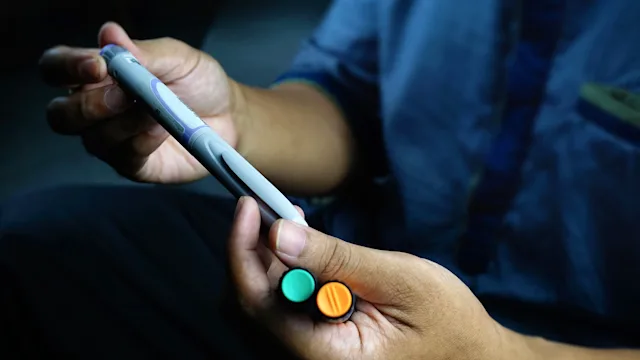
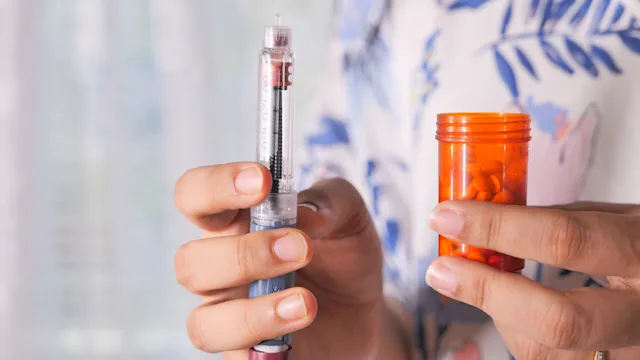
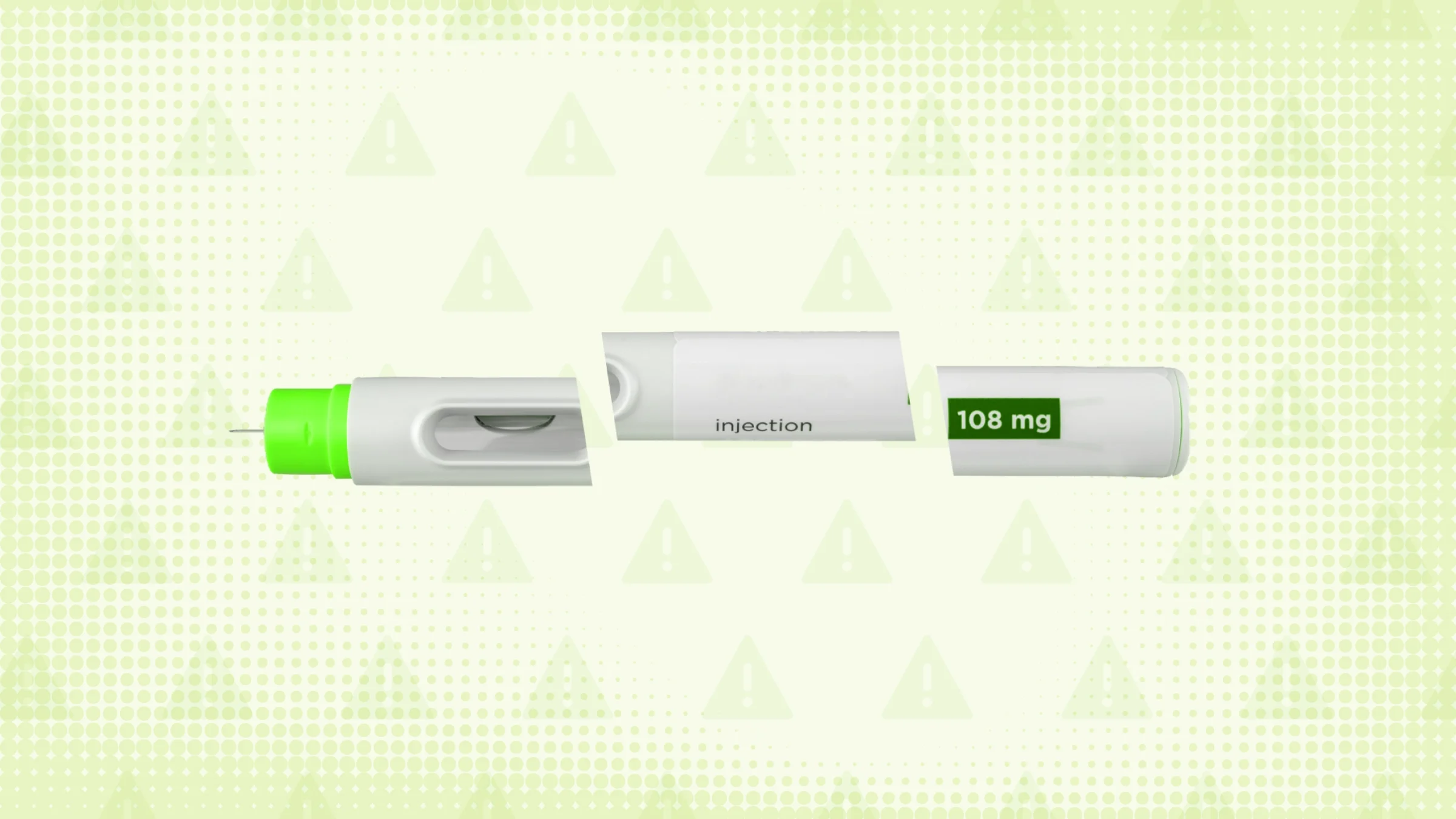
Toujeo (insulin glargine) is a long-acting insulin used to treat diabetes in people ages 6 and older. It comes as an injection pen that contains a concentrated form of insulin glargine. It’s also available as Toujeo Max, which contains twice as much insulin in each pen.
Common Toujeo side effects include low blood glucose (hypoglycemia), the common cold, and weight gain.
Injection site reactions are possible. You can help prevent them by using proper injection technique and rotating injection sites each time.
Compared with other long-acting insulins, hypoglycemia may be less likely with Toujeo. But if you’re experiencing frequent hypoglycemia episodes, your prescriber may need to lower your Toujeo dose.
Save on related medications
Insulin glargine is a long-acting insulin that people living with diabetes use to lower blood glucose (sugar) levels. Like other long-acting insulins, it helps provide a steady amount of insulin throughout the day. Lantus is one popular insulin glargine brand.
Toujeo is a concentrated version of insulin glargine. Compared with Lantus, you can inject a smaller amount of liquid to get the same insulin dose. Toujeo’s effects also last longer. Toujeo Max, which contains twice as much insulin in each pen, is also available.
But as with all insulins, side effects are possible with Toujeo. Hypoglycemia (low blood glucose), swelling, and weight gain are a few examples. What other Toujeo side effects are possible?
Toujeo side effects at a glance
Toujeo can cause both mild and potentially serious side effects. Many Toujeo side effects can be prevented or managed by using proper injection technique, rotating injection sites, and monitoring your blood glucose levels.
Mild Toujeo and Toujeo Max side effects
Common cold
Injection site reactions
Lipodystrophy (unusual distribution of body fat at injection site)
Itching
Rash
Swelling
Weight gain
Serious Toujeo and Toujeo Max side effects
Hypoglycemia
Allergic reactions
Low potassium levels
Here is what you should know about six Toujeo side effects.
1. Hypoglycemia
Hypoglycemia occurs when your blood sugar drops below 70 mg/dL. It can happen to people with diabetes who skip meals, exercise more than usual, or inject too much insulin, among other reasons. In fact, hypoglycemia is the most common side effect of any type of insulin.
But the risk of hypoglycemia may not be the same for every long-acting insulin. For example, studies suggest that hypoglycemia may be less likely with Toujeo. This can make Toujeo a good option for people at higher risk of hypoglycemia, such as older adults. Toujeo Max is a good alternative if you need higher insulin doses.
Knowing how to recognize and manage hypoglycemia is important for everyone living with diabetes. If left untreated, hypoglycemia can be life-threatening. Common symptoms include shakiness, sweating, and a fast heartbeat. Hunger, nausea, and anxiety are also possible.
If you develop these symptoms, check your blood sugar with a glucometer or your continuous glucose meter. Keep a fast-acting carbohydrate (e.g., glucose tablets) on hand to raise your blood sugar when needed. Let your prescriber know if you experience frequent hypoglycemia episodes with Toujeo. This could be a sign that your Toujeo dose is too high.
2. Common cold
Some people report experiencing the common cold and other types of upper respiratory tract infections (URTIs) while using Toujeo. But it’s not clear if Toujeo is the cause, since diabetes can increase your risk of infections in general.
Common cold symptoms such as runny nose, sore throat, and congestion can be bothersome. But you can often manage them with over-the-counter (OTC) medications. Keep in mind that some of these contain sugar or may not be recommended for people with diabetes. Check with your prescriber or pharmacist to ensure they’re safe for you.
The common cold and other URTIs are usually caused by viruses and will go away on their own. Antibiotics won’t treat viruses, so they aren’t recommended. But if your symptoms worsen or don’t start getting better in about a week, reach out to your healthcare team for advice.
3. Swelling
Rarely, people taking Toujeo can experience swelling in their feet from fluid buildup. This can happen if your body is holding on to extra sodium and water, which is possible with insulin. You may notice swelling just after starting Toujeo or after a dosage increase.
Swelling from Toujeo usually goes away on its own. But in the meantime, your healthcare team may suggest limiting salt in your diet or elevating your feet. If these changes don’t help, they may have you try a diuretic (water pill).
Keep in mind that people living with diabetes may have swollen feet unrelated to insulin use. If your swelling isn’t going away, let your healthcare team know.
4. Weight gain
It’s common for people taking Toujeo to gain weight. That’s because insulin helps sugar move from your blood into your cells. And excess sugar may be stored as fat, leading to weight gain. Weight gain from insulin therapy tends to be around 4 lbs during the first year, but some people may gain 11 lbs or more.
Lifestyle changes, such as a diabetes-friendly diet with regular exercise, can help you manage potential weight gain from Toujeo. And they can have beneficial effects on your blood sugar, too. Your healthcare team can help you figure out a healthy routine that works for you.
But if weight gain from Toujeo is a concern for you, let your prescriber know. Together, you can explore options such as adjusting your treatment plan or optimizing your diet and exercise regimen.
5. Lipodystrophy
Lipodystrophy is a possible Toujeo side effect. This is an unusual distribution of body fat that develops where you inject your dose. It can look like pits (indentations) or thickened areas of your skin.
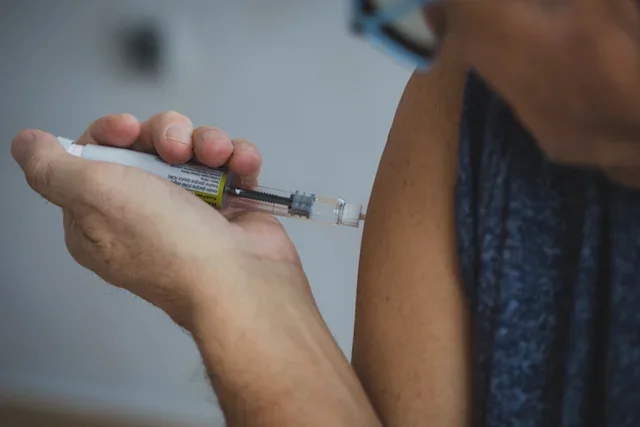
Lipodystrophy can be caused by repeated insulin injections in the same spot. To prevent this, rotate injection sites and use a new needle with each injection. You can also ask your prescriber or diabetes education specialist to observe your injection technique to ensure you’re doing it correctly.
If you notice pitted or thickened areas of skin, avoid injecting Toujeo into these spots. Otherwise, you may not absorb your insulin dose properly.
6. Injection site reactions
Experiencing mild pain, redness or swelling after a Toujeo injection is known as an injection site reaction. These side effects may be bothersome, but they’ll usually go away after a few days.
A small amount of pain is expected with injections. An ice pack or warm compress at the injection site can help provide relief. An anti-itch medication such as diphenhydramine (Benadryl) or an OTC pain reliever may also help with injection site reactions.
As with lipodystrophy, rotating your injection site each time can help prevent these reactions. An unopened Toujeo pen should be stored in the refrigerator before use. But allowing it to come to room temperature before injecting your dose may help reduce stinging at the injection site.
If your injection site symptoms are accompanied by hives or difficulty breathing, you may be having an allergic reaction. Seek immediate medical care if these develop.
Frequently asked questions
Any dose of Toujeo higher than what your healthcare professional has prescribed for you may be too much. The right dose is individualized and depends on your blood sugar levels, body weight, and other factors. So a dose that’s safe for one person could be too much for another person.
Taking more Toujeo than prescribed can lead to low blood sugar, which can be dangerous and may cause serious symptoms if not treated promptly.
Toujeo and Lantus both contain insulin glargine, but they aren’t exactly the same. Toujeo is more concentrated at 300 units/mL, while Lantus contains 100 units/mL. Toujeo’s effects also last longer — up to 36 hours compared to 24 hours with Lantus. Some people may also experience fewer episodes of hypoglycemia with Toujeo.
Unopened Toujeo pens should be stored in the refrigerator (between 36°F and 46°F). After you start using a pen, keep it at room temperature (up to 86°F) and don’t put it back into the refrigerator. Once opened a Toujeo pen can be used for up to 56 days.
Any dose of Toujeo higher than what your healthcare professional has prescribed for you may be too much. The right dose is individualized and depends on your blood sugar levels, body weight, and other factors. So a dose that’s safe for one person could be too much for another person.
Taking more Toujeo than prescribed can lead to low blood sugar, which can be dangerous and may cause serious symptoms if not treated promptly.
Toujeo and Lantus both contain insulin glargine, but they aren’t exactly the same. Toujeo is more concentrated at 300 units/mL, while Lantus contains 100 units/mL. Toujeo’s effects also last longer — up to 36 hours compared to 24 hours with Lantus. Some people may also experience fewer episodes of hypoglycemia with Toujeo.
Unopened Toujeo pens should be stored in the refrigerator (between 36°F and 46°F). After you start using a pen, keep it at room temperature (up to 86°F) and don’t put it back into the refrigerator. Once opened a Toujeo pen can be used for up to 56 days.
The bottom line
Common Toujeo (insulin glargine) side effects include weight gain, low blood glucose (hypoglycemia), and injection site reactions. Hypoglycemia can become serious if not treated properly. While uncommon, lipodystrophy and swelling are also possible.
Talk to your healthcare team or pharmacist if side effects aren’t improving after home treatment. Don’t stop or change your Toujeo dosage without talking to your healthcare team first.

Why trust our experts?



References
Bailey, T. S., et al. (2019). Switching to insulin glargine 300 units/mL in real-world older patients with type 2 diabetes (DELIVER 3). Diabetes, Obesity & Metabolism.
Blonde, L., et al. (2021). Insulin glargine 300 units/mL for the treatment of individuals with type 2 diabetes in the real world: A review of the DELIVER programme. Diabetes, Obesity & Metabolism.
Hussien, S. M., et al. (2022). Insulin edema syndrome due to rapid glucose correction in a diabetic patient. Case Reports in Medicine.
Sanofi-Aventis U.S. LLC. (2025). Toujeo- insulin glargine injection, solution [package insert].
Sanofi-Aventis U.S. LLC. (2025). Toujeo Max- insulin glargine injection, solution [package insert].