


10 Medications That May Raise Your Risk of Kidney Damage
Diuretics and nonsteroidal anti-inflammatory drugs, like ibuprofen, could harm your kidneys. Here are common medications that may cause kidney damage.

Tobramycin (Tobi) helps people with cystic fibrosis (CF) breathe better by controlling their Pseudomonas aeruginosa bacterial infection long term. It's inhaled through your mouth using a device (either a nebulizer or inhaler), and it can cause irritation in the mouth, throat, and lungs.

Tobramycin (Tobi) is an aminoglycoside antibiotic. It kills bacteria by blocking their ability to make proteins that are necessary for their protective covering. By getting rid of the Pseudomonas aeruginosa bacteria in the lungs, tobramycin (Tobi) helps people with CF breathe better.
| Common Brands | Tobi, Tobi Podhaler, Bethkis, Kitabis Pak |
|---|---|
| Drug Class | Aminoglycoside antibiotic |
| Controlled Substance Classification | Not a controlled medication |
| Generic Status | No lower-cost generic available |
| Availability | Prescription only |

The following side effects may get better over time as your body gets used to the medication. Let your healthcare provider know immediately if you continue to experience these symptoms or if they worsen over time.
Contact your healthcare provider immediately if you experience any of the following.
Along with its needed effects, a medicine may cause some unwanted effects. Although not all of these side effects may occur, if they do occur they may need medical attention.
Check with your doctor immediately if any of the following side effects occur:
Less common
Itching, redness, swelling, or other sign of eye or eyelid irritation not present before use of this medicine
Symptoms of overdose
Increased watering of the eyes
itching, redness, or swelling of the eyes or eyelids
painful irritation of the clear front part of the eye
Some side effects may occur that usually do not need medical attention. These side effects may go away during treatment as your body adjusts to the medicine. Also, your health care professional may be able to tell you about ways to prevent or reduce some of these side effects. Check with your health care professional if any of the following side effects continue or are bothersome or if you have any questions about them:
Less common
Burning or stinging of the eyes
Eye ointments usually cause your vision to blur for a few minutes after application.
Other side effects not listed may also occur in some patients. If you notice any other effects, check with your healthcare professional.
Call your doctor for medical advice about side effects. You may report side effects to the FDA at 1-800-FDA-1088.




Tobramycin (Tobi) can cause some serious health issues. This risk may be even higher for certain groups. If this worries you, talk to your doctor or pharmacist about other options.
Tobramycin (Tobi) can cause tight airways (bronchospasm), making it difficult to breathe. If this medication causes difficulty breathing or wheezing, talk to your provider. If you have a rescue inhaler, it's a good idea to keep it handy, especially when you first start taking tobramycin (Tobi).
Aminoglycoside antibiotics like tobramycin (Tobi) can cause hearing loss, dizziness, and vertigo (spinning sensation). Some people may first notice ringing in the ears. If you experience any of these symptoms, talk to your provider as soon as possible. Your provider will monitor your hearing, and if necessary, may check to make sure your tobramycin blood level isn't too high.
Aminoglycoside antibiotics like tobramycin (Tobi) can cause kidney injury, especially if medication blood levels get too high. This rarely happens with tobramycin (Tobi), because it mostly stays in the lungs, but if you have kidney problems, your provider may check kidney tests and tobramycin blood levels to be safe. Let your provider know if you are making less urine than normal or if you notice fluid buildup in your legs and feet, since these are potential symptoms of kidney injury.
Aminoglycoside antibiotics like tobramycin (Tobi) can cause muscle weakness, especially in people who have neuromuscular conditions, such as myasthenia gravis and Parkinson's disease. In severe cases, this can be paralyzing and affect your ability to breathe. Let your provider know immediately if you experience any kind of muscle weakness while you're taking this medication.
Aminoglycoside antibiotics like tobramycin (Tobi) can cause harm to your unborn baby if you take it while pregnant. This rarely happens with tobramycin (Tobi), because it mostly stays in the lungs, but if you are pregnant or plan to become pregnant, talk to your provider about the risks and benefits of using this medication.

The typical dose is 1 inhalation by mouth every 12 hours. Use this medication for 28 days, then stop for 28 days, then repeat the 28-day cycle.

Although certain medicines should not be used together at all, in other cases two different medicines may be used together even if an interaction might occur. In these cases, your doctor may want to change the dose, or other precautions may be necessary. When you are taking this medicine, it is especially important that your healthcare professional know if you are taking any of the medicines listed below. The following interactions have been selected on the basis of their potential significance and are not necessarily all-inclusive.
Using this medicine with any of the following medicines is not recommended. Your doctor may decide not to treat you with this medication or change some of the other medicines you take.
Using this medicine with any of the following medicines is usually not recommended, but may be required in some cases. If both medicines are prescribed together, your doctor may change the dose or how often you use one or both of the medicines.
Using this medicine with any of the following medicines may cause an increased risk of certain side effects, but using both drugs may be the best treatment for you. If both medicines are prescribed together, your doctor may change the dose or how often you use one or both of the medicines.

Adults
Azithromycin (Zithromax) can treat certain types of:
Children
Azithromycin (Zithromax) can treat certain types of:





Prescription savings
Stop paying too much for your prescriptions. Compare prices, get pharmacy coupons, and save up to 80%. Find expert answers to your health questions so you can make the best decisions for yourself and your family.
Health conditions
Medications & treatment
Access & affordability
Medication discounts

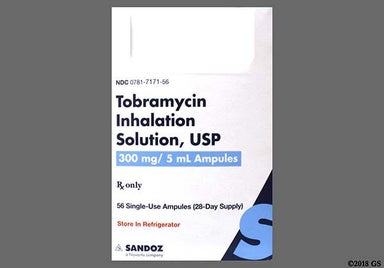
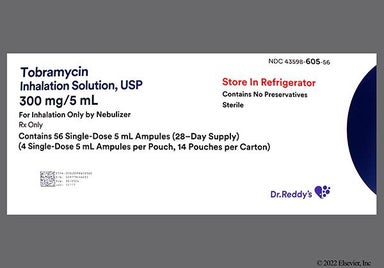
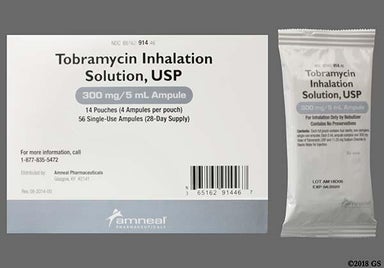
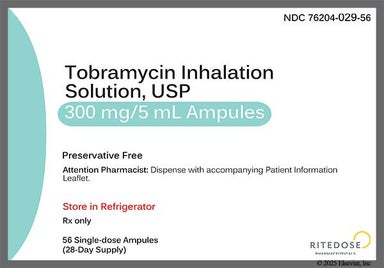
Tobi solution can be nebulized, meaning that you use a special machine to turn the liquid into a mist that you inhale. For many years, nebulization was the only way for CF patients to inhale tobramycin into the lungs. More recently, tobramycin became available as a powder for inhalation (Tobi Podhaler), but it can't be nebulized and must be administered using the Podhaler device.
Side effects from inhaled Tobi mostly affect the mouth, throat, and lungs. Common side effects include cough, shortness of breath, wheezing, "rattling" lung sounds, hoarseness, and pain. Since Tobi mostly stays in the lungs, this medication rarely affects other parts of the body, though it is still possible in some cases. Serious side effects also include hearing loss and kidney injury.
Tobi inhalation is used specifically to kill Pseudomonas aeruginosa in the lungs of people with CF. It can work against some other bacteria as well, but the inhalation form is not used for those infections. Tobi doesn't work as well against Burkholderia cepacia, which is why it cannot be given to people who have that bacteria in their lungs.
Do not mix Tobi with any other medications. If you are getting nebulized albuterol at the same time as your dose of Tobi, take Tobi after the albuterol.
