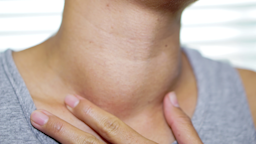
Levothyroxine is a thyroid hormone used to treat low thyroid hormone levels (hypothyroidism) in people of all ages. It's also approved to help treat thyroid cancer along with radioactive iodine and surgery. The medication is available in tablet and liquid forms and is taken once daily, usually on an empty stomach in the morning. Regular blood tests are needed to keep your dose in the right range. Common side effects happen when the dose is too high and can include fast heartbeat, anxiety, and weight loss.
Levothyroxine is a lab-made version of thyroxine (T4), a natural hormone made by your thyroid. It works by replacing or adding to the T4 your body isn’t making. This helps keep your metabolism, energy, heart rate, and body temperature working properly.
The following side effects may get better over time as your body gets used to the medication. Let your healthcare provider know immediately if you continue to experience these symptoms or if they worsen over time.
The following Levothyroxine side effects have also been reported
Along with its needed effects, a medicine may cause some unwanted effects. Although not all of these side effects may occur, if they do occur they may need medical attention.
Check with your doctor immediately if any of the following side effects occur:
Some side effects may occur that usually do not need medical attention. These side effects may go away during treatment as your body adjusts to the medicine. Also, your health care professional may be able to tell you about ways to prevent or reduce some of these side effects. Check with your health care professional if any of the following side effects continue or are bothersome or if you have any questions about them:
Interacts with many foods, medications, and supplements
Pharmacist tips for Levothyroxine
Take levothyroxine 30 minutes to 1 hour before breakfast on an empty stomach. This helps your body absorb the full amount of the medication.
It's important to keep all of your follow-up lab appointments while taking levothyroxine. Your prescriber will use thyroid blood tests to check your hormone levels and adjust your dose if needed.
It can take several weeks to find the right dose of levothyroxine that works best for you.
Don’t take levothyroxine within 4 hours of iron or calcium supplements, antacids, or other products that might reduce how well it works. These can block your body from absorbing the medication properly.
Share a list of your medications with your prescriber before starting levothyroxine. This helps them check for interactions and guide you on when to take your other medications.
Soybean flour, walnuts, cottonseed meal, high-fiber foods, and grapefruit juice might reduce how much levothyroxine your body absorbs. Let your prescriber know if you eat these foods often so they can help you adjust your diet if needed.
Most side effects of levothyroxine happen when your dose is too high. If you feel anxious, have a fast heart rate, have trouble sleeping, or have other signs of too much thyroid hormone, let your prescriber know.
Some people may have temporary hair loss during the first few months of levothyroxine treatment. This side effect is usually mild and goes away over time.
Tell your prescriber if you're pregnant, breastfeeding, or planning to become pregnant while taking levothyroxine. Your dose might need to be adjusted to keep you and your baby healthy.
Tips for the liquid solutions:
Tirosint Sol: You can squeeze the solution directly into your mouth or onto a spoon and drink it immediately. You can also mix it in a small cup of water, drink it right away, then rinse the cup with more water and drink that too. Don't mix it with any other liquid besides water.
Thyquidity or Ermeza liquid solution: Measure your doses with the syringe provided by the pharmacy. Don't use household or kitchen measuring spoons since they might give you the wrong dose.
Store the medication at room temperature, away from heat and light. Ermeza and Tirosint Sol should be thrown away 3 months after opening, while Thyquidity should be thrown away 2 months after opening.
Levothyroxine can cause some serious health issues. This risk may be even higher for certain groups. If this worries you, talk to your doctor or pharmacist about other options.
Not for weight loss
Risk factors: Taking other medications for weight loss
Levothyroxine shouldn't be used for weight loss. It’s not recommended, safe, or effective for that purpose. Taking high doses of levothyroxine can cause serious or even life-threatening effects, especially if taken with other medications for weight loss.
Heart problems
Risk factors: Heart disease | Older adults
Taking too much levothyroxine can cause heart problems, especially if you have heart disease or are an older adult. If you develop new heart symptoms or your current ones get worse, your prescriber might lower your dose or pause treatment for a week before restarting it at a lower dose. Always tell your prescriber if you feel chest pain, a racing heartbeat, or other heart-related symptoms.
Adrenal crisis in people with adrenal insufficiency
Risk factors: Adrenal insufficiency
If you have adrenal insufficiency (a condition where your adrenal glands don’t make enough hormones), starting levothyroxine too soon can lead to a serious condition called adrenal crisis. This can happen because thyroid hormone speeds up how your body breaks down steroid hormones, which help you manage stress. To help prevent this, your prescriber will likely treat you with replacement steroids before beginning levothyroxine. If you feel very tired, have stomach pain, feel dizzy or weak, or start vomiting while taking this medication, get medical help right away.
Worsening diabetes
If you have diabetes, starting levothyroxine can make it harder to keep your blood sugar levels under control. You might need to adjust your diabetes medications or insulin after starting, stopping, or changing your dose of levothyroxine. Your prescriber will likely monitor your blood sugar more closely during this time to keep you safe and avoid complications. Let them know if you notice changes in your blood sugar readings or symptoms like increased thirst, frequent urination, or tiredness.
Bone loss
Risk factors: Postmenopausal women | Higher doses
Taking levothyroxine can weaken your bones over time, especially if your dose is too high. The risk is greater for women after menopause. This happens because high thyroid hormone levels can make your body break down bone faster than it can rebuild it.
To lower this risk, your prescriber will give you the lowest dose possible that still keeps your thyroid levels in a healthy range. Be sure to attend all follow-up appointments and get regular lab tests to check your hormone levels and bone health.
Levothyroxine dosage
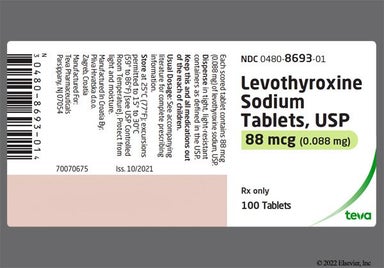
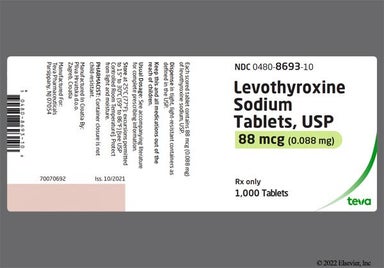
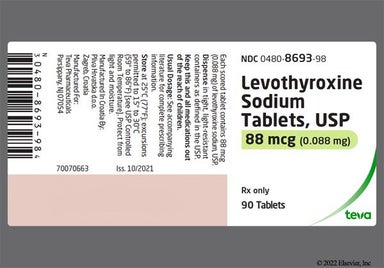
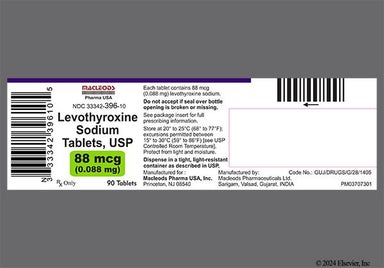
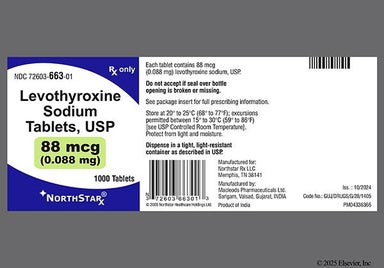
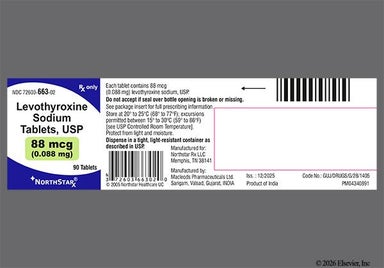
The average cost for 90 tablets of 88mcg of Levothyroxine is $10.00 with a free GoodRx coupon. This is 0.00% off the average retail price of $10.00.
Adults: The typical starting dose is 1.6 mcg/kg of body weight, taken by mouth once a day. After 4 to 6 weeks, your dose might be adjusted based on your thyroid hormone levels.
Your dose might be lower if you have heart problems or are an older adult.
Children: The typical starting dose ranges from 1.6 mcg/kg to 10-15 mcg/kg per day, based on your child's age and body weight. After 2 weeks, the dose might be adjusted based on their thyroid hormone levels.
Your child's dose might be lower if they have heart problems.
Thyroid cancer:
Your dose will depend on your thyroid hormone levels and the stage of cancer.
Interactions between Levothyroxine and other drugs
Levothyroxine may interact with certain medications or supplements. Always let your doctor and pharmacist know about any other medications or supplements (including prescribed and over-the-counter medications, vitamins, and dietary or herbal supplements) that you are currently taking. The list below does not include all possible drug interactions with Levothyroxine. Please note that only the generic name of each medication is listed below.
Although certain medicines should not be used together at all, in other cases two different medicines may be used together even if an interaction might occur. In these cases, your doctor may want to change the dose, or other precautions may be necessary. When you are taking this medicine, it is especially important that your healthcare professional know if you are taking any of the medicines listed below. The following interactions have been selected on the basis of their potential significance and are not necessarily all-inclusive.
Using this medicine with any of the following medicines is usually not recommended, but may be required in some cases. If both medicines are prescribed together, your doctor may change the dose or how often you use one or both of the medicines.
Using this medicine with any of the following medicines may cause an increased risk of certain side effects, but using both drugs may be the best treatment for you. If both medicines are prescribed together, your doctor may change the dose or how often you use one or both of the medicines.
Contraindications are specific health conditions or situations in which a person should not take a medication due to safety concerns. If you have any of the following conditions or if any of the following apply to you, let your healthcare provider know because Levothyroxine will not be safe for you to take.
Untreated adrenal gland problems
What are alternatives to Levothyroxine?
There are a number of medications that your doctor can prescribe in place of Levothyroxine. Compare a few possible alternatives below.
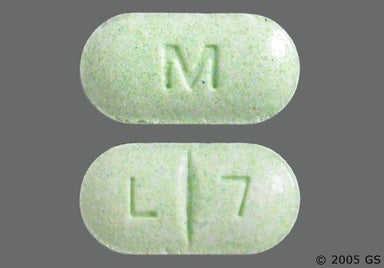
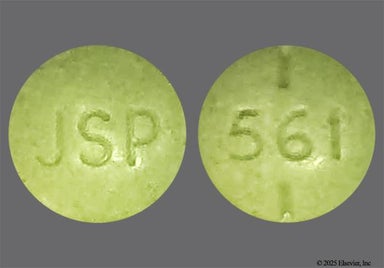
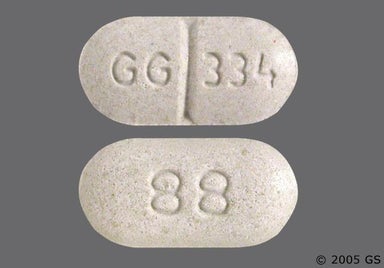
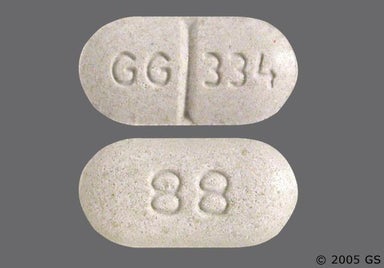
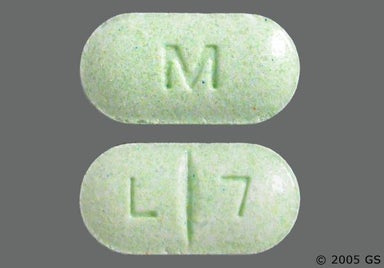
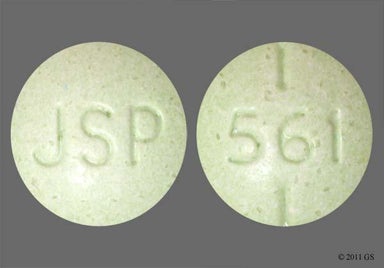
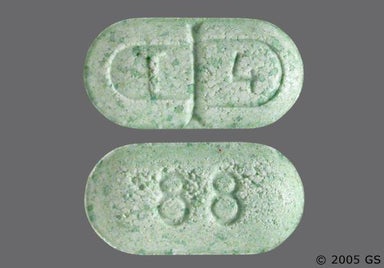
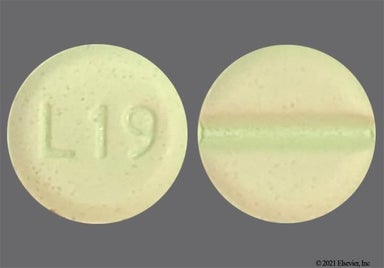
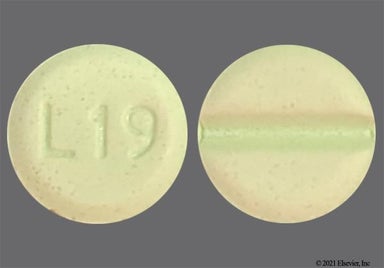
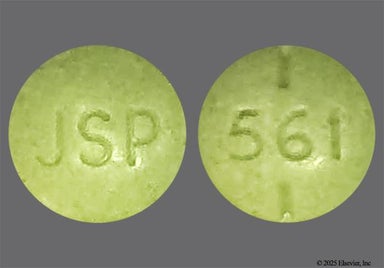
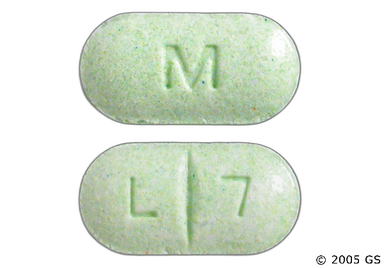
This medicine is Green, Oblong, Scored Tablet Imprinted With "M", "L 7".Green Oblong L 7 - Levothyroxine Sodium 88mcg TabletThis medicine is Green, Oblong, Scored Tablet Imprinted With "L 7", "M".Green Oblong L 7 - Levothyroxine Sodium 88mcg TabletThis medicine is Green, Oblong, Scored Tablet Imprinted With "T V", "88".Green Oblong T V - Levothyroxine Sodium 88mcg TabletThis medicine is Green, Oblong, Scored Tablet Imprinted With "T V", "88".Green Oblong T V - Levothyroxine Sodium 88mcg TabletThis medicine is Green, Oblong, Scored Tablet Imprinted With "T V", "88".Green Oblong T V - Levothyroxine Sodium 88mcg TabletThis medicine is Green, Round, Notched Tablet Imprinted With "561", "Jsp".Green Round JSP - Levothyroxine Sodium 88mcg TabletThis medicine is Green, Oblong, Scored Tablet Imprinted With "Gg 334", "88".Green Oblong GG 334 - Levothyroxine Sodium 88mcg TabletThis medicine is Green, Oblong, Scored Tablet Imprinted With "Gg 334", "88".Green Oblong GG 334 - Levothyroxine Sodium 88mcg TabletThis medicine is Green, Round, Scored Tablet Imprinted With "M59".Green Round M59 - Levothyroxine Sodium 88mcg TabletThis medicine is Green, Round, Scored Tablet Imprinted With "M59".Green Round M59 - Levothyroxine Sodium 88mcg TabletThis medicine is Green, Round, Scored Tablet Imprinted With "M59".Green Round M59 - Levothyroxine Sodium 88mcg TabletThis medicine is Green, Oblong, Scored Tablet Imprinted With "M", "L 7".Green Oblong L 7 - Levothyroxine Sodium 88mcg TabletThis medicine is Green, Round, Notched Tablet Imprinted With "561", "Jsp".Green Round JSP - Levothyroxine Sodium 88mcg TabletThis medicine is Green, Oblong, Scored Tablet Imprinted With "88", "T 4".Green Oblong T 4 - Levothyroxine Sodium 88mcg TabletThis medicine is Green, Round, Scored Tablet Imprinted With "L19".Green Round L19 - Levothyroxine Sodium 88mcg TabletThis medicine is Green, Round, Scored Tablet Imprinted With "L19".Green Round L19 - Levothyroxine Sodium 88mcg TabletThis medicine is Green, Round, Scored Tablet Imprinted With "Jsp", "561".Green Round JSP - Levothyroxine Sodium 88mcg TabletThis medicine is Green, Round, Scored Tablet Imprinted With "M59".Green Round M59 - Levothyroxine Sodium 88mcg TabletThis medicine is Green, Round, Scored Tablet Imprinted With "M59".Green Round M59 - Levothyroxine Sodium 88mcg Tablet
GoodRx Health has strict sourcing policies and relies on primary sources such as medical organizations, governmental agencies, academic institutions, and peer-reviewed scientific journals. Learn more about how we ensure our content is accurate, thorough, and unbiased by reading our editorial guidelines.
Prescription savings
Stop paying too much for your prescriptions. Compare prices, get pharmacy coupons, and save up to 80%.
Plans start at $9.99/mo. (when paid yearly). Terms apply.
Common questions about Euthyrox
Levothyroxine isn't known to cause weight gain as a side effect. But it’s still possible for you to gain weight while taking it. In most cases, this happens because your dose might be too low. This means your thyroid hormone levels haven't reached the target range. If you notice unexpected or concerning weight gain, talk to your prescriber. They might check your hormone levels and adjust your dose if needed.
It can take about 4 to 6 weeks after starting Levothyroxine to feel the full benefits of the medication. Some people might notice their symptoms begin to improve sooner, but results can vary. In the beginning, it might take several weeks to find the dose that works best for you. Your prescriber will check your thyroid hormone levels from time to time. They might also raise your dose slowly to help avoid side effects like headache and nausea. If you’re not sure whether the medication is working, ask your prescriber for guidance.
Levothyroxine is usually taken in the morning, at least 30 minutes before breakfast. This helps your body absorb the medication better because your stomach is empty. But some research shows that taking it at night can work just as well, as long as you separate it from food and other medications.
You might need to take Levothyroxine and your other medications at different times to avoid interactions. How long you should wait depends on the medication. For example, take antacids like Tums, wait at least 4 hours before or after taking Levothyroxine. Some medications can lessen how much levothyroxine gets absorbed into the body, making it work less well. Others might increase how much levothyroxine stays in your body, which can lead to symptoms of hyperthyroidism. Ask your pharmacist or prescriber if you need to separate your medications.
You might experience some hair loss during the first few months of starting Levothyroxine. This side effect is usually temporary and tends to get better with time. Talk to your prescriber if you're concerned about hair loss or if it doesn't improve.
Make sure to take Levothyroxine at least 4 hours after your last meal. Eating too soon after taking your dose can affect how well your body can absorb the medication. Foods that are high in fiber, soy products, and walnuts can reduce how much of the medication your body takes in. That’s why it’s generally recommended to take Levothyroxine 30 minutes to 1 hour before food, on an empty stomach.
If you stop taking Levothyroxine, your low thyroid symptoms will likely return and might even get worse over time. This happens because your body is no longer getting the thyroid hormones it needs to function properly. Don't stop taking Levothyroxine without first speaking with your prescriber.
Yes, you can crush Levothyroxine tablets. This might be helpful for infants or anyone who has trouble swallowing pills. After crushing the tablet, mix the powder with 1 to 2 teaspoonfuls of water, then give the mixture with a spoon or dropper.











 Levothyroxine shouldn't be used for weight loss. It’s not recommended, safe, or effective for that purpose. Taking high doses of levothyroxine can cause serious or even life-threatening effects, especially if taken with other medications for weight loss.