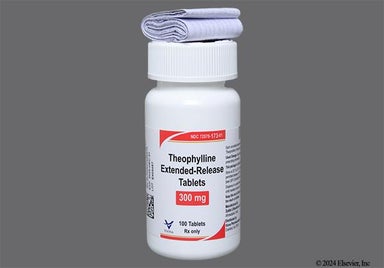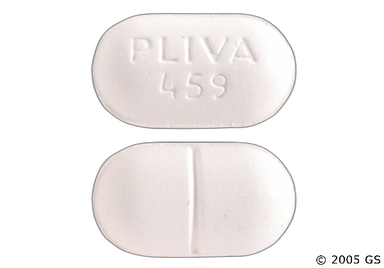
theophylline er
Theophylline is a long-term medication that helps you breathe easier when you have asthma or COPD, but it is not a first-choice medication for these problems.


What is Theophylline?
What is Theophylline used for?
- Asthma
- Chronic obstructive pulmonary disease (COPD)
How Theophylline works
Theophylline is a bronchodilator, which means that it relaxes the muscles in your airways so that air passes through easier. It also blocks your body's tendency to tighten the airways when they get irritated, and helps strengthen breathing muscles.
Drug facts
| Common Brands | Theo-24, Elixophyllin, Theochron |
|---|---|
| Drug Class | PDE inhibitor, nonselective |
| Controlled Substance Classification | Not a controlled medication |
| Generic Status | Lower-cost generic available |
| Availability | Prescription only |

Side effects of Theophylline
The following side effects may get better over time as your body gets used to the medication. Let your healthcare provider know immediately if you continue to experience these symptoms or if they worsen over time.
Common Side Effects
- Feeling like you had too much caffeine (nausea, vomiting, headache, inability to sleep)
Less Common Side Effects
- Abdominal pain or stomach irritation
- Feeling anxious, irritable, or restless
- Severe allergic reaction
- Abnormal heart rhythm or fast heart rate
- Diarrhea
- Dizziness
- Muscle tremors
- High uric acid levels
- Itchiness, rash, or hives
- Urinating more, or not being able to urinate
The following Theophylline side effects have also been reported
Along with its needed effects, a medicine may cause some unwanted effects. Although not all of these side effects may occur, if they do occur they may need medical attention.
Check with your doctor or nurse immediately if any of the following side effects occur:
Incidence not known
Blurred vision
chest pain or discomfort
dizziness
fainting
fast, slow, or irregular heartbeat
headache
increase in urine volume
infection at the injection site
lightheadedness
pain or redness at the site of injection
pale skin at the site of injection
persistent vomiting
pounding or rapid pulse
rapid breathing
seizures
shakiness
shortness of breath
swelling of the lower legs or arms
tenderness, pain, swelling, warmth, skin discoloration, and prominent superficial veins over the affected area
Get emergency help immediately if any of the following symptoms of overdose occur:
Symptoms of overdose
Abdominal or stomach pain
confusion
confusion about identity, place, and time
dark-colored urine
decrease in frequency of urination
decreased urine
difficulty in passing urine (dribbling)
dizziness, faintness, or lightheadedness when getting up suddenly from a lying or sitting position
fast, pounding, or irregular heartbeat or pulse
increased thirst
irregular heartbeat
loss of appetite
mood changes
muscle cramps or spasms
muscle pain or stiffness
nausea or vomiting
nervousness
numbness or tingling in the hands, feet, or lips
pain or discomfort in the arms, jaw, back, or neck
shakiness in the legs, arms, hands, or feet
shortness of breath
sweating
unusual tiredness or weakness
vomiting of blood or material that looks like coffee grounds
Some side effects may occur that usually do not need medical attention. These side effects may go away during treatment as your body adjusts to the medicine. Also, your health care professional may be able to tell you about ways to prevent or reduce some of these side effects. Check with your health care professional if any of the following side effects continue or are bothersome or if you have any questions about them:
Other side effects not listed may also occur in some patients. If you notice any other effects, check with your healthcare professional.
Call your doctor for medical advice about side effects. You may report side effects to the FDA at 1-800-FDA-1088.

Pros and cons of Theophylline
Pros
- Can help you breathe easier when other medications do not work well enough
- Available as a 24-hour pill form that can be taken once a day
- Both the pill and liquid forms are available in cheaper generic versions
Cons
- Does not work quickly and will not help if you are currently having an asthma or COPD attack
- Requires regular blood tests to check theophylline lab levels
- Can interact with with other medications or supplements
- Food affects absorption, so you have to be consistent with how you take theophylline

Pharmacist tips for Theophylline

- Do not use theophylline when you are having an asthma or COPD attack because it is not fast or strong enough to help your breathing. For these instances, make sure to keep your rescue inhaler with you at all times.
- It is important to take this medication consistently. You can choose to always take it with food or on an empty stomach. Take your dose around the same time everyday. If you are taking the capsule form, take it in the daytime for best effect, and avoid taking it less than 1 hour before a fatty meal since that might make the levels go too high.
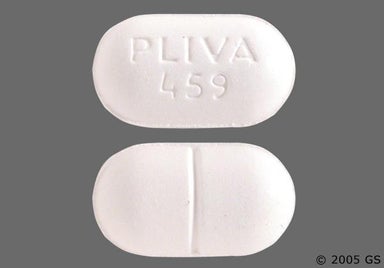
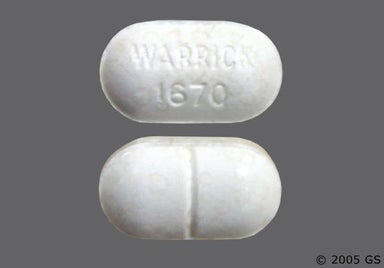
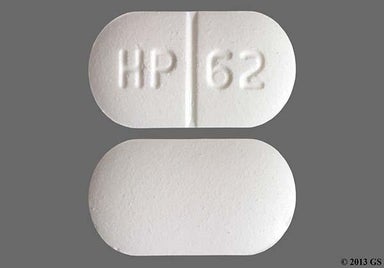
- Swallow theophylline pills whole. Do not crush or chew it, since this can release the drug into the body too quickly. If your tablet has a line in the middle, you can break it in half.
- If you're taking the tablet version, you might see the tablet shell in your stool, which is normal.
- If you're taking the liquid version, make sure to measure your doses with the measuring device that comes with the medication. Don't use kitchen or measuring spoons, since they might be not accurate and cause you to take too much medication, which can raise your risk of side effects.
- Make sure to limit your intake of caffeine because theophylline causes similar side effects like headache, feeling jittery, or trouble sleeping.

Risks and warnings for Theophylline
Theophylline can cause some serious health issues. This risk may be even higher for certain groups. If this worries you, talk to your doctor or pharmacist about other options.
WORSENING OF OTHER CONDITIONS
- Risk factors: Stomach ulcers | Seizure problems | Heart rhythm problems
If you have stomach ulcers, seizure problems, or heart rhythm problems, they can become worse when you take theophylline. Let your provider know if you have any of these conditions.
THEOPHYLLINE TOXICITY
- Risk factors: Children under 1 year old | Age 60 and older | Fluid buildup in the lungs (pulmonary edema) | Heart failure | Fever for over a day | Low thyroid hormones (hypothyroidism) | Liver problems | Kidney problems | Severe infection | Stopping smoking
Many things can cause theophylline to accumulate in your body. Very high levels of theophylline can be life-threatening. It's important to get your blood levels checked regularly so that your provider can make sure they are in the normal range. You might need to take a lower dose as you get older, if you have have certain diseases, or if you recently stopped smoking cigarettes or marijuana. Nausea, vomiting, or headache that doesn't go away might mean that there is too much theophylline in your body. If you notice these symptoms, let your provider know right away and do not take any more theophylline until they tell you it is safe to do so.
INTERACTIONS WITH OTHER MEDICATIONS
- Risk factors: Taking other medications
Many medications can affect the level of theophylline in your body. High levels can be life-threatening, while low levels will cause the medication to not to work effectively. If you are taking theophylline, talk with your provider or pharmacist before you start a new medication, including supplements. Also check with your provider before you stop other medications or supplements, since you may need to change the dose of theophylline.

Theophylline dosage


Interactions between Theophylline and other drugs
Although certain medicines should not be used together at all, in other cases two different medicines may be used together even if an interaction might occur. In these cases, your doctor may want to change the dose, or other precautions may be necessary. When you are receiving this medicine, it is especially important that your healthcare professional know if you are taking any of the medicines listed below. The following interactions have been selected on the basis of their potential significance and are not necessarily all-inclusive.
Using this medicine with any of the following medicines is not recommended. Your doctor may decide not to treat you with this medication or change some of the other medicines you take.
- Riociguat
- Viloxazine
Using this medicine with any of the following medicines is usually not recommended, but may be required in some cases. If both medicines are prescribed together, your doctor may change the dose or how often you use one or both of the medicines.
- Abametapir
- Adenosine
- Amifampridine
- Bupropion
- Capmatinib
- Ceritinib
- Cimetidine
- Ciprofloxacin
- Deferasirox
- Desogestrel
- Dienogest
- Dihydroartemisinin
- Donepezil
- Drospirenone
- Enoxacin
- Erythromycin
- Estradiol
- Ethinyl Estradiol
- Ethynodiol
- Etintidine
- Etonogestrel
- Fluconazole
- Fluvoxamine
- Fosphenytoin
- Gestodene
- Givosiran
- Halothane
- Idrocilamide
- Imipenem
- Ketamine
- Levofloxacin
- Levonorgestrel
- Medroxyprogesterone
- Mestranol
- Methacholine
- Mexiletine
- Nomegestrol
- Norelgestromin
- Norethindrone
- Norgestimate
- Norgestrel
- Pefloxacin
- Peginterferon Alfa-2a
- Peginterferon Alfa-2b
- Phenytoin
- Pixantrone
- Regadenoson
- Rofecoxib
- Segesterone
- Thiabendazole
- Troleandomycin
- Vemurafenib
- Zileuton
Using this medicine with any of the following medicines may cause an increased risk of certain side effects, but using both drugs may be the best treatment for you. If both medicines are prescribed together, your doctor may change the dose or how often you use one or both of the medicines.
- Adinazolam
- Alprazolam
- Aminoglutethimide
- Amiodarone
- Azithromycin
- Bentazepam
- Bromazepam
- Brotizolam
- Cannabis
- Carbamazepine
- Chlordiazepoxide
- Clobazam
- Clonazepam
- Clorazepate
- Delorazepam
- Diazepam
- Disulfiram
- Estazolam
- Febuxostat
- Flunitrazepam
- Flurazepam
- Halazepam
- Interferon Alfa-2a
- Ipriflavone
- Isoproterenol
- Ketazolam
- Loprazolam
- Lorazepam
- Lormetazepam
- Medazepam
- Metaclazepam
- Methotrexate
- Midazolam
- Nilutamide
- Nitrazepam
- Oxazepam
- Pancuronium
- Pentoxifylline
- Phenobarbital
- Pinazepam
- Piperine
- Prazepam
- Propafenone
- Quazepam
- Remimazolam
- Rifampin
- Rifapentine
- Ritonavir
- Secobarbital
- St John's Wort
- Tacrine
- Telithromycin
- Temazepam
- Tetrazepam
- Ticlopidine
- Triazolam
- Zafirlukast

How much does Theophylline cost?
$22.60

What are alternatives to Theophylline?

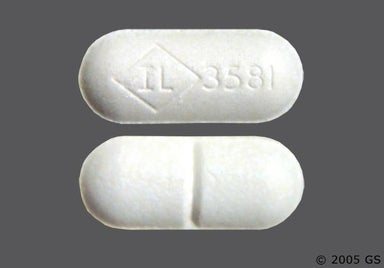
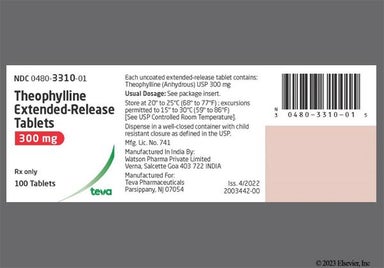
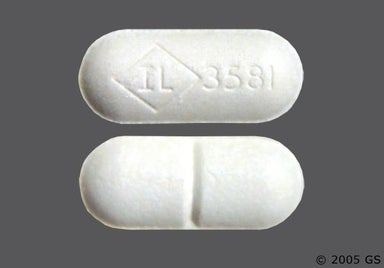
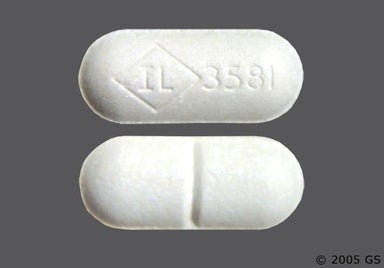
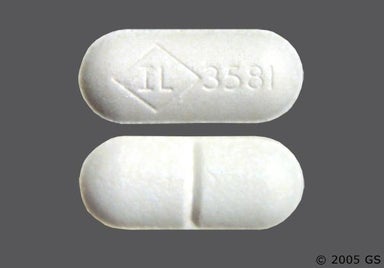
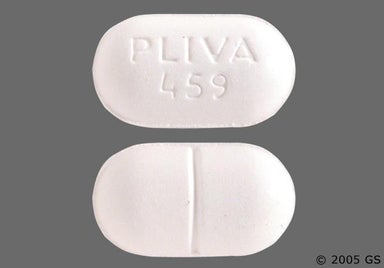
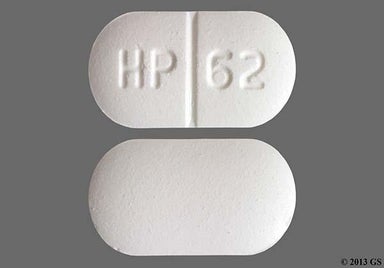
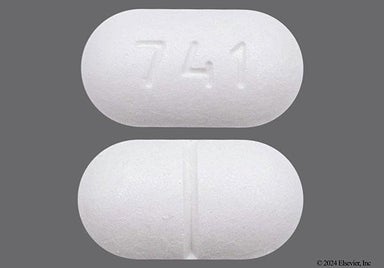
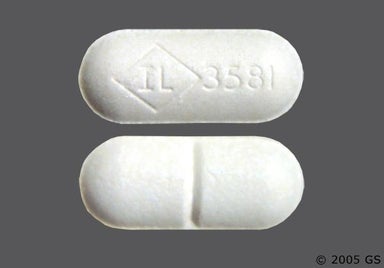
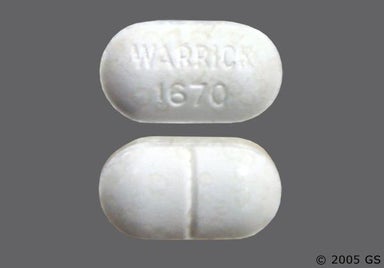
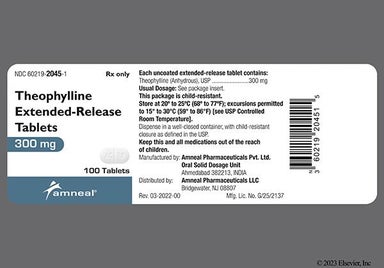
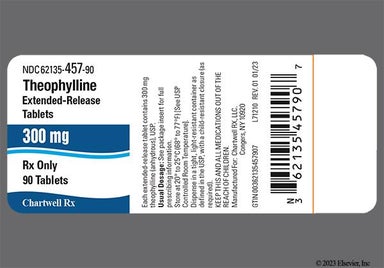
Theophylline images