



Why Are Certain Medications Dispensed in Their Original Containers?
When you pick up your medications at the pharmacy you may notice that they are typically dispensed in amber colored vials or plastic containers. You may
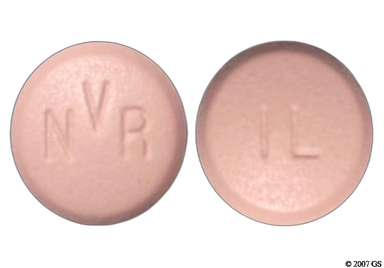
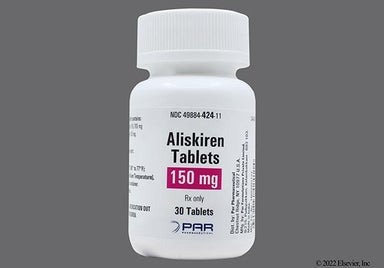
Aliskiren (Tekturna) is a medication that helps lower your blood pressure. It's a tablet that's typically taken just once daily. Aliskiren (Tekturna) doesn't have many side effects, though it can sometimes cause mild diarrhea and stomach upset. This medication has both a brand-name and a generic version.

Aliskiren (Tekturna) is a direct renin inhibitor. It blocks renin, an enzyme (protein) in your body that plays a role in tightening your blood vessels and raising blood pressure. By blocking renin, aliskiren (Tekturna) allows your blood vessels to relax, which helps lower your blood pressure.
| Common Brands | Tekturna |
|---|---|
| Drug Class | Renin Inhibitor |
| Controlled Substance Classification | Not a controlled medication |
| Generic Status | Lower-cost generic available |
| Availability | Prescription only |

The following side effects may get better over time as your body gets used to the medication. Let your healthcare provider know immediately if you continue to experience these symptoms or if they worsen over time.
Contact your healthcare provider immediately if you experience any of the following.
Along with its needed effects, a medicine may cause some unwanted effects. Although not all of these side effects may occur, if they do occur they may need medical attention.
Check with your doctor immediately if any of the following side effects occur:
Less common
Body aches or pain
chills
difficulty with breathing
ear congestion
headache
loss of voice
unusual tiredness or weakness
Rare
Ankle, knee, or great toe joint pain
blood in the urine
joint pain, stiffness, or swelling
large, hive-like swelling on the face, eyelids, lips, tongue, throat, hands, legs, feet, or sex organs
loss of bladder control
loss of consciousness
lower back or side pain
pain in the groin or genitals
sharp back pain just below the ribs
swelling of the feet or lower legs
vomiting
Incidence not known
Blistering, peeling, or loosening of the skin
bloating or swelling of the face, arms, hands, lower legs, or feet
rapid weight gain
red skin lesions, often with a purple center
red, irritated eyes
sores, ulcers, or white spots in the mouth or on the lips
tingling of the hands or feet
unusual weight gain or loss
Some side effects may occur that usually do not need medical attention. These side effects may go away during treatment as your body adjusts to the medicine. Also, your health care professional may be able to tell you about ways to prevent or reduce some of these side effects. Check with your health care professional if any of the following side effects continue or are bothersome or if you have any questions about them:
Other side effects not listed may also occur in some patients. If you notice any other effects, check with your healthcare professional.
Call your doctor for medical advice about side effects. You may report side effects to the FDA at 1-800-FDA-1088.




Aliskiren (Tekturna) can cause some serious health issues. This risk may be even higher for certain groups. If this worries you, talk to your doctor or pharmacist about other options.
 Aliskiren (Tekturna) can cause serious harm or even death to unborn babies when taken during pregnancy. If you're pregnant or think you might be pregnant, stop taking aliskiren (Tekturna) right away and talk to your healthcare provider.
Serious and sometimes life-threatening allergic reactions are possible when you take aliskiren (Tekturna). These reactions can include anaphylaxis, angioedema (swelling around the eyes, lips, face, throat, hands, or feet), and difficulty breathing. These allergic reactions can happen at any time while you're taking aliskiren (Tekturna). Get medical help or call 911 right away if you have any of these symptoms.
Aliskiren (Tekturna) lowers your blood pressure. Because of this, you might feel lightheaded or dizzy, especially when you first start the medication. These symptoms can be especially severe if you're dehydrated, have a low amount of salt in your body, or are taking other blood pressure medications. This effect tends to go away as you continue taking aliskiren (Tekturna).
Aliskiren (Tekturna) can raise the amount of potassium in your body. Having potassium levels that are too high can cause issues, including heart rhythm problems. Your risk might be higher if you already have kidney problems or take other medications that can raise potassium levels. Your provider will check your blood routinely to make sure your potassium level is normal. If you have any muscle weakness, chest pain, tingling or numbness, or irregular heartbeat, tell your provider right away.
Aliskiren (Tekturna) can affect your kidney function, which can rarely include kidney failure. You're at risk if you already have a kidney problem or you also take other medications that can harm the kidney. You'll need blood tests done to check your kidney function before starting aliskiren (Tekturna) and regularly thereafter. Tell your provider if you aren't urinating as much as usual or if your urine is dark in color even when you're sufficiently hydrated.
Aliskiren (Tekturna) cannot be used in people with diabetes who are also taking an ACE inhibitor or ARB (angiotensin receptor blocker). People with diabetes who take these medications together with aliskiren (Tekturna) are at higher risk of serious kidney damage, high blood potassium levels, and dangerously low blood pressure. Because of these same risks, it's also generally recommended to avoid taking aliskiren (Tekturna) with ACE inhibitors or ARBs, especially if you have kidney problems.
Don't take aliskiren (Tekturna) if you're currently taking cyclosporine (Neoral or Sandimmune) or itraconazole (Sporanox). When taken together, these medications can raise the amount of aliskiren (Tekturna) in your body by a lot, which can potentially lead to serious side effects. Make sure to tell your provider about all the medications you're taking from all the providers you see.


Although certain medicines should not be used together at all, in other cases two different medicines may be used together even if an interaction might occur. In these cases, your doctor may want to change the dose, or other precautions may be necessary. When you are taking this medicine, it is especially important that your healthcare professional know if you are taking any of the medicines listed below. The following interactions have been selected on the basis of their potential significance and are not necessarily all-inclusive.
Using this medicine with any of the following medicines is not recommended. Your doctor may decide not to treat you with this medication or change some of the other medicines you take.
Using this medicine with any of the following medicines is usually not recommended, but may be required in some cases. If both medicines are prescribed together, your doctor may change the dose or how often you use one or both of the medicines.
Using this medicine with any of the following medicines may cause an increased risk of certain side effects, but using both drugs may be the best treatment for you. If both medicines are prescribed together, your doctor may change the dose or how often you use one or both of the medicines.


Contraindications are specific health conditions or situations in which a person should not take a medication due to safety concerns. If you have any of the following conditions or if any of the following apply to you, let your healthcare provider know because Aliskiren (Tekturna) will not be safe for you to take.




Prescription savings
Stop paying too much for your prescriptions. Compare prices, get pharmacy coupons, and save up to 80%. Find expert answers to your health questions so you can make the best decisions for yourself and your family.
Health conditions
Medications & treatment
Access & affordability
Medication discounts


You shouldn't take Aliskiren with valsartan (Diovan), which is a medication in the ARB (angiotensin receptor blocker) class. In fact, it's not recommended to combine Aliskiren with any ACE (angiotensin converting enzyme) inhibitors or ARBs, especially if you have diabetes. Taking these medications together can lead to high, unsafe potassium levels in your blood, which can cause serious side effects. These combined medications can also cause harm to your kidneys or drop your blood pressure too low. Speak with your healthcare provider about taking other blood pressure medications that are safe to take with Aliskiren.
There's a slight chance that you can develop a cough while using Aliskiren. However, it isn't as common with Aliskiren as with ACE inhibitors such as lisinopril (Zestril) and benazepril (Lotensin). Talk to your healthcare provider if you develop a cough while taking Aliskiren and it becomes bothersome.
If you have diabetes and are taking an ACE (angiotensin converting enzyme) inhibitor or ARB (angiotensin receptor blocker) for your blood pressure, you shouldn't take Aliskiren. A large clinical study found that people with diabetes who took this combination of medications had a greater risk for kidney damage, dangerously low blood pressure, and high potassium levels. The study, in fact, was stopped early since they found that the risks of adding Aliskiren to ACE inhibitor or ARB treatment was greater than the potential benefits. Tell your healthcare provider about your full medical history and what medications you're taking before starting Aliskiren. They can guide you to treatment options that are safe for you.
It typically takes about 2 weeks for the full effects of Aliskiren. Keep in mind that although you might not feel the effects, controlling your blood pressure with medications like Aliskiren helps to prevent severe and life-threatening health problems that can come from high blood pressure. If you're checking your blood pressure at home, let your healthcare provider know if it hasn't improved after a couple of weeks.
There are no specific diet restrictions that you need to follow while taking Aliskiren. However, if you take the medication with food, try to avoid meals that are high in fat. High-fat meals can make your body absorb less Aliskiren.
No. Never take Aliskiren if you're pregnant. This is because the medication can cause serious birth defects and harm to your baby if it's taken during pregnancy. If you take Aliskiren and think you could be pregnant, stop the medication right away and tell your healthcare provider.
It might be best to avoid using nonsteroidal anti-inflammatory drugs (NSAIDs) like ibuprofen (Advil) or naproxen (Aleve) regularly with Aliskiren. This combination of medications can cause damage your kidneys, especially if you're of older age, already have kidney problems, or take diuretics ("water pills"). NSAIDs can also have the opposite effect on blood pressure as Aliskiren. If you need a pain reliever, it's okay to use acetaminophen (Tylenol) instead since this medication won't affect your kidneys or blood pressure much. Talk with your healthcare provider or pharmacist about which pain relief medications are safe to take while using Aliskiren.
