sulfadiazine
Sulfadiazine is an antibiotic that can be used to treat many different infections, including certain ear infections and urinary tract infections (UTIs), though it's not a first-choice option for most of these infections. Sulfadiazine is taken by mouth multiple times a day, which can be inconvenient. Some side effects of this medication include nausea, diarrhea, and headache. You shouldn't take sulfadiazine if you've a sulfa allergy.


What is Sulfadiazine?
What is Sulfadiazine used for?
- Ear infection
- Chancroid (sexually transmitted infection)
- Certain eye infections, including trachoma
- Nocardiosis
- Urinary tract infections (UTIs)
- Toxoplasmosis encephalitis
- Malaria
- Meningitis
- Prevention of rheumatic fever
How Sulfadiazine works
Sulfadiazine belongs to a group of antibiotics known as sulfonamide antibiotics. It stops bacteria from growing by interfering with bacterial folic acid production, an essential nutrient for them to multiply.
Drug facts
| Common Brands | Microsulfon |
|---|---|
| Drug Class | Sulfonamide antibiotic |
| Controlled Substance Classification | Not a controlled medication |
| Generic Status | Lower-cost generic available |
| Availability | Prescription only |

Side effects of Sulfadiazine
The following side effects may get better over time as your body gets used to the medication. Let your healthcare provider know immediately if you continue to experience these symptoms or if they worsen over time.
Common Side Effects
- Nausea
- Vomiting
- Diarrhea
- Stomach pain
- Loss of appetite
- Headache
- Dizziness
Less Common Side Effects
- Feeling unsteady on your feet
- Tingling in the hands and feet
- Trouble sleeping
- Ringing in your ears
- Kidney stones
Sulfadiazine serious side effects
Contact your healthcare provider immediately if you experience any of the following.
- Severe allergic reaction: hives, trouble breathing, swelling of the face, lips, tongue, or throat
- Severe skin reaction: rash, peeling skin, blisters, red skin
- Seizures
- Low blood cell counts: fever, chills, feeling tired, paleness, bleeding
- Kidney problems: producing less or no urine, dark urine
- Liver problems: stomach pain, yellowing of the skin or whites of the eyes, clay-colored stool
The following Sulfadiazine side effects have also been reported
Along with its needed effects, a medicine may cause some unwanted effects. Although not all of these side effects may occur, if they do occur they may need medical attention.
Check with your doctor immediately if any of the following side effects occur:
Rare
blurred vision
changes in menstrual periods
chills
cold sweats
coma
confusion
cool, pale skin
decreased sexual ability in males
dizziness
dry, puffy skin
fast heartbeat
feeling cold
headache
increased hunger
nervousness
nightmares
seizures
shakiness
slurred speech
swelling of front part of the neck
unusual tiredness or weakness
Incidence not known
Abdominal or stomach pain
back, leg, or stomach pains
black, tarry stools
bleeding gums
bleeding under the skin
blindness or vision changes
blistering, peeling, or loosening of the skin
blood in the urine or stools
bluish-colored lips, fingernails, or palms
burning of the face or mouth
burning, crawling, itching, numbness, painful, prickling, "pins and needles", or tingling feelings
cloudy urine
clumsiness or unsteadiness
continuing ringing or buzzing or other unexplained noise in the ears
cough or hoarseness
cracks in the skin
darkened urine
decrease in the amount of urine
difficulty with breathing
difficulty with moving
dizziness or lightheadedness
feeling of discomfort
fever with or without chills
general body swelling
general feeling of tiredness or weakness
headache
hearing loss
indigestion
joint or muscle pain
light-colored stools
loss of appetite and weight
loss of heat from the body
lower back or side pain
muscle pain or stiffness
nosebleeds
not able to pass urine
pain or burning while urinating
painful or difficult urination
pains in the stomach, side, or abdomen, possibly radiating to the back
pale skin
pinpoint red or purple spots on the skin
rapid heart rate
rash
red skin lesions, often with a purple center
red, irritated eyes
red, swollen skin
redness of the white part of the eyes
seeing, hearing, or feeling things that are not there
seizures
shakiness and unsteady walk
shortness of breath
soreness of the muscles
sores, ulcers, or white spots on the lips or in the mouth
sudden decrease in amount of urine
swelling around the eyes
swelling of the face, hands, legs, and feet
swelling or inflammation of the mouth
swollen lymph glands
swollen or painful glands
tightness in the chest
unsteadiness, trembling, or other problems with muscle control or coordination
unusual bleeding or bruising
upper right abdominal pain
vision changes
vomiting
weakness in the hands or feet
yellow eyes or skin
Some side effects may occur that usually do not need medical attention. These side effects may go away during treatment as your body adjusts to the medicine. Also, your health care professional may be able to tell you about ways to prevent or reduce some of these side effects. Check with your health care professional if any of the following side effects continue or are bothersome or if you have any questions about them:
Incidence not known
Feeling of constant movement of self or surroundings
hives or welts
sensation of spinning
trouble with sleeping
unable to sleep
Other side effects not listed may also occur in some patients. If you notice any other effects, check with your healthcare professional.
Call your doctor for medical advice about side effects. You may report side effects to the FDA at 1-800-FDA-1088.

Get your GoodRx coupon

Pros and cons of Sulfadiazine
Pros
- Can be used in children as young as 2 months for certain infections
- Available as a lower-cost generic
- Treats a wide variety of bacterial infections
Cons
- Needs to be taken multiple times a day
- Might not be the best choice if you have kidney or liver problems, certain allergies, or asthma
- Not recommended if you're breastfeeding

Pharmacist tips for Sulfadiazine

- Drink an 8-ounce glass of water when taking sulfadiazine and throughout the day. Staying well-hydrated can help lower your risk of developing kidney stones while you're taking sulfadiazine.
- Talk to your healthcare provider if you notice any unusual or unexplained side effects such as sore throat, fever, or paleness, red spots, or yellowing of the skin. These could be signs of a rare, but serious, blood-related side effect of sulfadiazine.
- Sulfadiazine can interact with many other medications. For example, you're at a higher risk for bleeding if you take sulfadiazine with blood thinners like warfarin (Coumadin). Let your healthcare provider and pharmacist know what medications you're taking before starting sulfadiazine.
- Keep your bottle of sulfadiazine tightly closed and in a dry place to protect the medication from moisture.

Risks and warnings for Sulfadiazine
Sulfadiazine can cause some serious health issues. This risk may be even higher for certain groups. If this worries you, talk to your doctor or pharmacist about other options.
Severe allergic reaction
- Risk factors: History of allergy to a sulfa-containing medication
If you're allergic to sulfa medications, you might also be allergic to sulfadiazine. Talk to your healthcare provider about any previous allergies before starting sulfadiazine. If you experience trouble breathing or swelling in your face, lips, tongue, or throat, get medical help right away.
Severe skin reactions
Though rare, some people experience very serious skin reactions (including Stevens-Johnson Syndrome) while taking sulfadiazine. Seek medical attention right away if you notice a new or severe rash, a rash accompanied by fever, unexplained blisters, or new sores in your mouth.
Low blood cell counts
- Risk factors: Glucose-6-phosphate dehydrogenase (G6PD) deficiency | Taking high doses of sulfadiazine
Although rare, sulfadiazine can cause very serious blood problems, including low red blood cell count, low white blood cell count, and low platelet count. This can raise your risk for problems such as infections, bleeding, and weakness. Talk to your healthcare provider if you notice any unusual side effects such as sore throat, fever, weakness, paleness, red spots on your skin, and bleeding that's difficult to stop.
Kidney stones
- Risk factors: Low fluids in your body
Sulfadiazine can raise your risk for crystals to form in your urine and kidney stones. Make sure to drink plenty of water throughout the day and 8 ounces each time you take a dose of sulfadiazine. If you notice symptoms of kidney stones like pain in your lower stomach or back or an intense feeling of nausea, contact your provider right away.
Risk of depression
There have been reports of people experiencing depression and other side effects related to the central nervous system (CNS), including hallucination, while taking sulfadiazine. Let your provider know right away if you notice changes in your mood or if you've lost interested in activities you used to enjoy. Also, let your provider know if you think you might be hearing or seeing things that you're not sure are there. They might need to switch you to a different medication.

Sulfadiazine dosage
 Tablet
| Dosage | Quantity | Price as low as | Price per unit |
|---|---|---|---|
| 500mg | 60 tablets | $194.21 | $3.24 |
Typical dosage for Sulfadiazine
Your provider will determine your dose based on what infection you have. In general:
- Adults: The typical dose is to take 2 grams to 4 grams by mouth daily, split into 3 to 6 smaller doses and taken over 24 hours.
- Infants and children age 2 months and older: Your child's provider will calculate their dose based on your child's body weight. The typical dose is 150 mg/kg of body weight by mouth daily, split into 4 to 6 smaller doses and taken over 24 hours. The maximum total daily dose is 6 grams.
- Rheumatic fever prevention (for people who weigh less than 66 pounds): The typical dose is 500 mg by mouth every 24 hours.
- Rheumatic fever prevention (for people who weigh more than 66 pounds): The typical dose is 1 gram by mouth every 24 hours.

Interactions between Sulfadiazine and other drugs
Although certain medicines should not be used together at all, in other cases two different medicines may be used together even if an interaction might occur. In these cases, your doctor may want to change the dose, or other precautions may be necessary. When you are taking this medicine, it is especially important that your healthcare professional know if you are taking any of the medicines listed below. The following interactions have been selected on the basis of their potential significance and are not necessarily all-inclusive.
Using this medicine with any of the following medicines is not recommended. Your doctor may decide not to treat you with this medication or change some of the other medicines you take.
- Methenamine
Using this medicine with any of the following medicines is usually not recommended, but may be required in some cases. If both medicines are prescribed together, your doctor may change the dose or how often you use one or both of the medicines.
- Methotrexate
- Porfimer
Using this medicine with any of the following medicines may cause an increased risk of certain side effects, but using both drugs may be the best treatment for you. If both medicines are prescribed together, your doctor may change the dose or how often you use one or both of the medicines.
- Acetohexamide
- Aminolevulinic Acid
- Cyclosporine

How much does Sulfadiazine cost?
$194.21

Sulfadiazine contraindications
Contraindications are specific health conditions or situations in which a person should not take a medication due to safety concerns. If you have any of the following conditions or if any of the following apply to you, let your healthcare provider know because Sulfadiazine will not be safe for you to take.
- Allergy to sulfa medications
- Children younger than 2 months old (except in certain cases of congenital toxoplasmosis, under directions from a provider)
- Late pregnancy
- Breastfeeding

What are alternatives to Sulfadiazine?

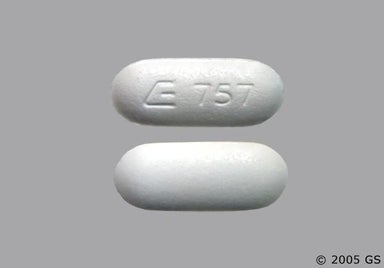
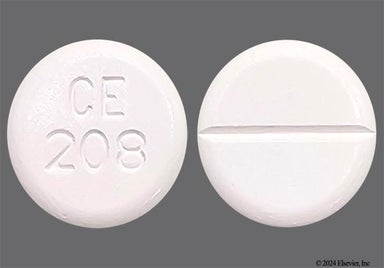
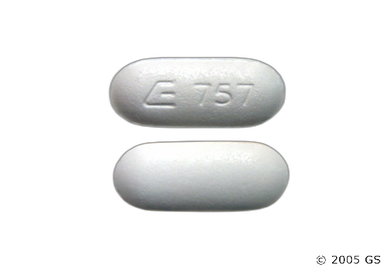
Sulfadiazine images