sulfacetamide
Sulfacetamide eye ointment and eye drops are antibiotic eye medications that treat a variety of infections. Your provider might prescribe one or the other, and sometimes both, depending on your infection. Sulfacetamide eye medications can be inconvenient because you might need to use them as often as every few hours, especially at the beginning of an infection. Both sulfacetamide eye ointment and eye drops are available as lower-cost generics.


What is Sulfacetamide?
What is Sulfacetamide used for?
- Bacterial eye infections
How Sulfacetamide works
Sulfacetamide is an antibiotic that stops bacteria from making the nutrients they need to grow and make more bacteria.
Drug facts
| Common Brands | Bleph-10 |
|---|---|
| Drug Class | Antibiotic |
| Controlled Substance Classification | Not a controlled medication |
| Generic Status | Lower-cost generic available |
| Availability | Prescription only |

Side effects of Sulfacetamide
The following side effects may get better over time as your body gets used to the medication. Let your healthcare provider know immediately if you continue to experience these symptoms or if they worsen over time.
Common Side Effects
- Eye irritation
- Eye stinging
- Eye burning
Less Common Side Effects
- Eye inflammation
- New infection
- Allergic reaction
Sulfacetamide serious side effects
Contact your healthcare provider immediately if you experience any of the following.
- Serious allergic reaction: rash, peeling of the skin, blisters, trouble breathing, swelling of lips, tongue, or face
The following Sulfacetamide side effects have also been reported
Side effects that you should report to your care team as soon as possible:
- Allergic reactions—skin rash, itching, hives, swelling of the face, lips, tongue, or throat
- Aplastic anemia—unusual weakness or fatigue, dizziness, headache, trouble breathing, increased bleeding or bruising
- Liver injury—right upper belly pain, loss of appetite, nausea, light-colored stool, dark yellow or brown urine, yellowing skin or eyes, unusual weakness or fatigue
- New or worsening eye pain, redness, irritation, or discharge
- Redness, blistering, peeling, or loosening of the skin, including inside the mouth
Side effects that usually do not require medical attention (report to your care team if they continue or are bothersome):
- Burning or stinging of the eyes after use
- Eye irritation or itching

Get your GoodRx coupon

Pros and cons of Sulfacetamide
Pros
- Available in eye drop and eye ointment forms
- Treats a variety of bacterial eye infections
- Available as a lower-cost generic
- Can be applied directly where the infection is
Cons
- Needs to be used multiple times a day
- Can be difficult or uncomfortable for some people to use
- Unknown if safe or works well in children under 2 months of age
- Can cause burning or stinging in your eye(s)

Pharmacist tips for Sulfacetamide

- Always wash and dry your hands before and after using sulfacetamide eye ointment or eye drops. Don't touch the tip of the container with your eye, hands, or any other surface. This will help avoid spreading germs and bacteria to the medication and your eyes.
- To use the eye drops, shake the bottle well. Tilt your head backward and look up. Then, gently pull your lower eyelid down to form a small pocket and squeeze one drop of medication into this pocket. Don't blink or wipe your eyes. Close your eyes while pressing a finger against the inside corner of your eye for about 1 minute to help keep the medication in your eye. If you need to take more than one drop, wait a few minutes in between each drop.
- To use the eye ointment, tilt your head backward and look up. Then, gently pull your lower eyelid down to form a small pocket and squeeze a half-inch ribbon of ointment into the pocket. Blink gently, then close your eye for 1 to 2 minutes. Wipe any extra ointment away from your eye with a tissue paper.
- If you're being treated for an eye infection called trachoma, you must also take the oral antibiotics prescribed by your provider, in addition to using sulfacetamide eye drops. The eye drops alone aren't enough to fight off this infection. Talk with your provider if you have any questions about treatment for trachoma.
- It's important to keep using sulfacetamide eye ointment or eye drops even if your symptoms are getting better, because stopping it too early can cause your infection to come back and become harder to treat.
- If your symptoms are getting worse or not better after the amount of time sulfacetamide has been prescribed to you, contact your provider.
- Keep sulfacetamide eye ointment and eye drops at room temperature and protect it from light. If it has turned a darker color, throw it away.

Risks and warnings for Sulfacetamide
Sulfacetamide can cause some serious health issues. This risk may be even higher for certain groups. If this worries you, talk to your doctor or pharmacist about other options.
New or worsened infection
- Risk factors: Long-term use
It's possible to get a new infection from bacteria that are resistant to sulfacetamide eye ointment or eye drops after using this medication for a while. "Resistant" means that the bacteria is harder to treat. Using this medication for a long period of time also raises your risk of developing new infections, since killing certain bacteria in your eyes can allow other organisms (e.g., bacteria, fungi) to grow. If your eye(s) feel worse while using this medication or if your symptoms don't start to get better after a couple of days, talk to your provider right away.
Serious allergic reactions
- Risk factors: Sulfa allergy | Using sulfacetamide for too long
Sulfacetamide eye ointment or eye drops can cause allergic reactions. In some rare cases, severe allergic reactions can happen, including life-threatening problems like anaphylaxis (closing of the throat or dangerously low blood pressure), organ damage, severe skin rash, or low blood cell counts. If you notice a rash, swelling of your lips or tongue, or difficulty breathing after using this medication, get medical attention right away.
Let your provider know if you're allergic to sulfa or any preservatives before you start using sulfacetamide.
Slow wound healing (sulfacetamide eye ointment only)
Using eye ointments on areas where there are wounds can cause those wounds to heal much slower. If you're using sulfacetamide eye ointment, let your provider know if you have wounds in your eye that aren't getting better.

Sulfacetamide dosage
 Eye dropper
| Dosage | Quantity | Price as low as | Price per unit |
|---|---|---|---|
| 15ml of 10% | 1 eye dropper | $20.15 | $20.15 |

How much does Sulfacetamide cost?

Sulfacetamide contraindications
Contraindications are specific health conditions or situations in which a person should not take a medication due to safety concerns. If you have any of the following conditions or if any of the following apply to you, let your healthcare provider know because Sulfacetamide will not be safe for you to take.
- Allergy to sulfonamide "sulfa" drugs

What are alternatives to Sulfacetamide?

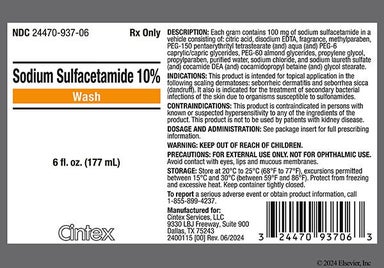
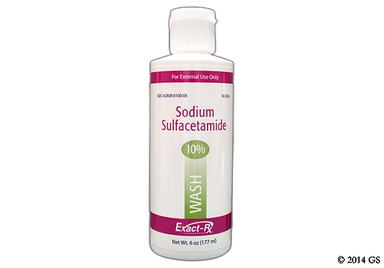
Sulfacetamide images