sulfacetamide
Sulfacetamide (Klaron) 10% is a topical sulfa antibiotic lotion used to treat acne in people ages 12 years and older. The directions are typically to apply a thin layer to the affected area(s) of skin twice per day. Sulfacetamide (Klaron) is available in both brand-name and generic versions. It's not available over the counter (OTC), so you'll need a prescription from a healthcare professional. Side effects are pretty rare with this medication, but can include skin irritation or burning.


What is Sulfacetamide (Klaron)?
What is Sulfacetamide (Klaron) used for?
- Treatment of acne in people ages 12 years and older
How Sulfacetamide (Klaron) works
Sulfacetamide (Klaron) is a sulfa antibiotic that prevents acne-causing bacteria from making a nutrient they need to survive.
Drug facts
| Common Brands | Klaron |
|---|---|
| Drug Class | Topical antibiotic |
| Controlled Substance Classification | Not a controlled medication |
| Generic Status | Lower-cost generic available |
| Availability | Prescription only |

Side effects of Sulfacetamide (Klaron)
The following side effects may get better over time as your body gets used to the medication. Let your healthcare provider know immediately if you continue to experience these symptoms or if they worsen over time.
Common Side Effects
- Skin irritation
Less Common Side Effects
- Skin redness
- Itching
- Swelling
Sulfacetamide (Klaron) serious side effects
Contact your healthcare provider immediately if you experience any of the following.
- Allergic reaction: hives, swelling of your face or throat, trouble breathing
- Severe skin reaction: reddening or peeling of the skin, painful rashes, and fluid-filled blisters
The following Sulfacetamide (Klaron) side effects have also been reported
Side effects that you should report to your care team as soon as possible:
- Allergic reactions—skin rash, itching, hives, swelling of the face, lips, tongue, or throat
- Aplastic anemia—unusual weakness or fatigue, dizziness, headache, trouble breathing, increased bleeding or bruising
- Liver injury—right upper belly pain, loss of appetite, nausea, light-colored stool, dark yellow or brown urine, yellowing skin or eyes, unusual weakness or fatigue
- New or worsening eye pain, redness, irritation, or discharge
- Redness, blistering, peeling, or loosening of the skin, including inside the mouth
Side effects that usually do not require medical attention (report to your care team if they continue or are bothersome):
- Burning or stinging of the eyes after use
- Eye irritation or itching

Pros and cons of Sulfacetamide (Klaron)
Pros
- Available as a lower-cost, generic medication
- Applied directly to the affected area(s) on the skin
- Has very few side effects
Cons
- Not a first-choice treatment option for acne
- Might not be the best choice for people who are allergic to sulfa medications
- Needs to be applied twice per day

Pharmacist tips for Sulfacetamide (Klaron)

- Shake sulfacetamide (Klaron) well each time before you use it to make sure it's properly mixed.
- Apply sulfacetamide (Klaron) directly to your skin, but keep it away from your eyes.
- For best results of clearing your acne, make sure your skin is completely dry before using sulfacetamide (Klaron). And be careful when applying it to broken skin with cuts or scrapes.
- Apply a thin layer of sulfacetamide (Klaron) twice per day on the affected area(s) of the skin.
- You can use a mild moisturizer as needed to help prevent your skin from becoming too dry or irritated.
- Don't use medicated soaps, cleansers, shampoos, or other personal care products that might cause skin irritation without talking to a healthcare professional first. Some products contain drying agents, like alcohol, which can further irritate the skin. Ask your pharmacist or dermatologist for guidance on which products are safe to use with sulfacetamide (Klaron).
- Sulfacetamide (Klaron) doesn't typically cause a lot of side effects. But it's possible to get redness and scaling of the skin after using the lotion. Let your prescriber know if this happens, as you might have to stop taking the medication.
- Store sulfacetamide (Klaron) at room temperature away from heat. Keep it tightly closed and out of reach from children.

Risks and warnings for Sulfacetamide (Klaron)
Sulfacetamide (Klaron) can cause some serious health issues. This risk may be even higher for certain groups. If this worries you, talk to your doctor or pharmacist about other options.
Severe allergic reaction
- Risk factors: Sulfonamide allergy
Severe allergic reactions to sulfacetamide (Klaron) are possible, including life-threatening reactions, like facial swelling and anaphylaxis. Although rare, this antibiotic can also cause serious skin reactions, such as Stevens-Johnson syndrome (SJS).
Let your prescriber know if you have an allergy to antibiotics or medications, especially any sulfa drugs, to make sure this antibiotic is safe for you. Stop taking sulfacetamide (Klaron) and get medical attention right away if you notice any hives, rash, blisters, skin reddening, skin peeling, swelling of the lips or tongue, or trouble breathing.

Sulfacetamide (Klaron) dosage
 Bottle of lotion
| Dosage | Quantity | Price as low as | Price per unit |
|---|---|---|---|
| 118ml of 10% | 1 bottle | $47.16 | $47.16 |

How much does Sulfacetamide (Klaron) cost?

Sulfacetamide (Klaron) contraindications
Contraindications are specific health conditions or situations in which a person should not take a medication due to safety concerns. If you have any of the following conditions or if any of the following apply to you, let your healthcare provider know because Sulfacetamide (Klaron) will not be safe for you to take.
- Allergy to sulfonamides

What are alternatives to Sulfacetamide (Klaron)?

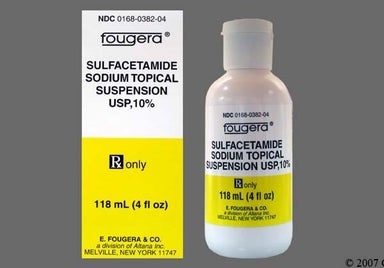
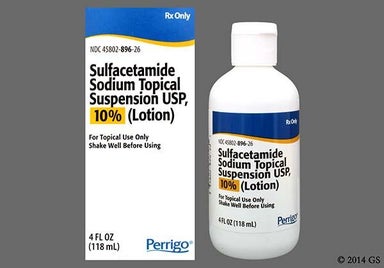
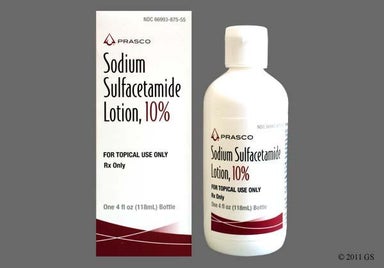
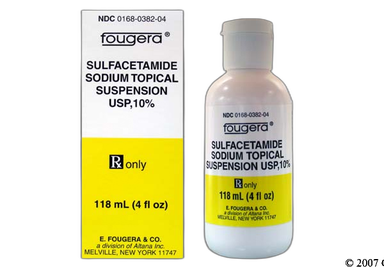
Sulfacetamide (Klaron) images