




Which Pain Reliever Is Best for Back Pain? OTC, Prescription, and Natural Remedies
Nonsteroidal anti-inflammatory drugs (NSAIDs) like ibuprofen (Advil) and naproxen (Aleve) can help reduce back pain.
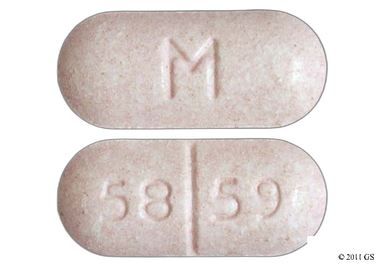
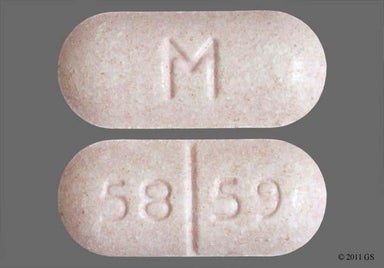
Metaxalone is a muscle relaxer. It's used to treat muscle pain and discomfort that's not chronic or long-lasting. This medication is thought to relieve muscle pain by relaxing your nervous system in the brain. Metaxalone is typically taken by mouth three or four times a day. It commonly causes drowsiness and dizziness as side effects. It's best to avoid drinking alcohol while you're taking metaxalone because alcohol can interact with this medication and worsen side effects.

Metaxalone is a muscle relaxant. Experts aren't exactly sure how the medication works, since it doesn't work directly on the muscles. They believe metaxalone helps relieve pain by relaxing your nervous system in the brain.
| Common Brands | Skelaxin |
|---|---|
| Drug Class | Muscle relaxant |
| Controlled Substance Classification | Not a controlled medication |
| Generic Status | Lower-cost generic available |
| Availability | Prescription only |

The following side effects may get better over time as your body gets used to the medication. Let your healthcare provider know immediately if you continue to experience these symptoms or if they worsen over time.
Contact your healthcare provider immediately if you experience any of the following.
Along with its needed effects, a medicine may cause some unwanted effects. Although not all of these side effects may occur, if they do occur they may need medical attention.
Check with your doctor immediately if any of the following side effects occur:
Incidence not known
Agitation
back, leg, or stomach pains
black, tarry stools
bleeding gums
chills
clay-colored stools
confusion
dark urine
difficulty in breathing or swallowing
dizziness
fast heartbeat
general body swelling
headache
loss of appetite
nosebleed
painful or difficult urination
pale skin
poor coordination
puffiness or swelling of the eyelids or around the eyes, face, lips, or tongue
redness of the skin
restlessness
sores, ulcers, or white spots on the lips or in the mouth
stomach pain
sweating
swelling of the face, throat, or tongue
swollen glands
talking or acting with excitement you cannot control
tightness in the chest
trembling or shaking
twitching
unpleasant breath odor
unusual bleeding or bruising
unusual tiredness or weakness
vomiting
vomiting of blood
yellowing of the eyes or skin
Some side effects may occur that usually do not need medical attention. These side effects may go away during treatment as your body adjusts to the medicine. Also, your health care professional may be able to tell you about ways to prevent or reduce some of these side effects. Check with your health care professional if any of the following side effects continue or are bothersome or if you have any questions about them:
More common
Drowsiness
irritability
stomach or bowel upset
Other side effects not listed may also occur in some patients. If you notice any other effects, check with your healthcare professional.
Call your doctor for medical advice about side effects. You may report side effects to the FDA at 1-800-FDA-1088.




Metaxalone can cause some serious health issues. This risk may be even higher for certain groups. If this worries you, talk to your doctor or pharmacist about other options.
There have been reports of serotonin syndrome in some people who take metaxalone alone or with certain other medications. Serotonin syndrome is a rare, but potentially life-threatening condition that happens when there's too much serotonin in the brain. Serotonin is one of the chemicals in your brain responsible for your mood.
Your risk for serotonin syndrome goes up if you use metaxalone with other medications that affect serotonin levels, such as antidepressants, triptans for migraines, and St. John's wort. Tell your healthcare team and pharmacist about all the medications and over-the-counter products you take so they can check for any interactions with metaxalone.
Call your healthcare team or get medical help right away if you have any symptoms of having too much serotonin. These symptoms include a fast heart rate, sweating, muscle stiffness or spasms, fever, and confusion.
Taking metaxalone can make you feel sleepy. The medication can also affect your concentration and focus. These side effects are more likely to happen or be more intense if you're over 65 or if you take metaxalone with a full meal.
Don't drink alcohol while you're taking metaxalone to lessen the risk for intense side effects. Avoid activities that require you to be alert, like driving or operating machinery, until you know how the medication affects you.
Metaxalone might not be the safest choice for people who have liver or kidney problems. The medication is processed in the body by the liver and kidneys. Metaxalone can buildup in the body if either of these organs isn't working properly. This can raise the risk for dangerous side effects, like serotonin syndrome.


Although certain medicines should not be used together at all, in other cases two different medicines may be used together even if an interaction might occur. In these cases, your doctor may want to change the dose, or other precautions may be necessary. When you are taking this medicine, it is especially important that your healthcare professional know if you are taking any of the medicines listed below. The following interactions have been selected on the basis of their potential significance and are not necessarily all-inclusive.
Using this medicine with any of the following medicines is usually not recommended, but may be required in some cases. If both medicines are prescribed together, your doctor may change the dose or how often you use one or both of the medicines.


Contraindications are specific health conditions or situations in which a person should not take a medication due to safety concerns. If you have any of the following conditions or if any of the following apply to you, let your healthcare provider know because Metaxalone will not be safe for you to take.






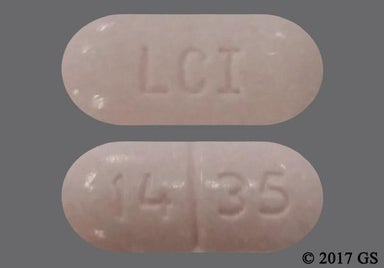
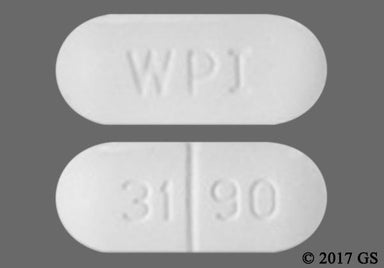
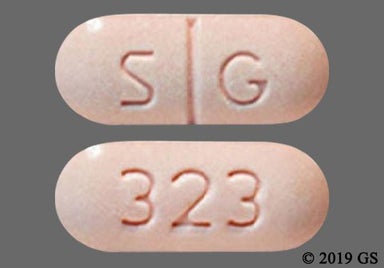
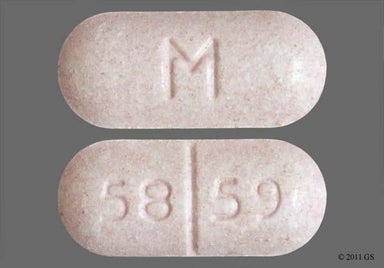
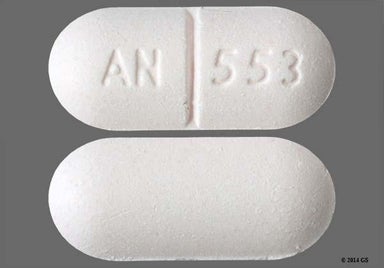
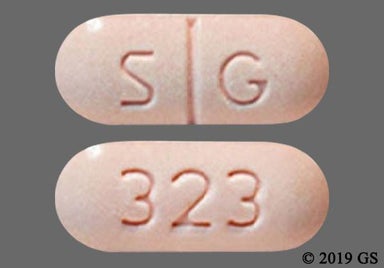
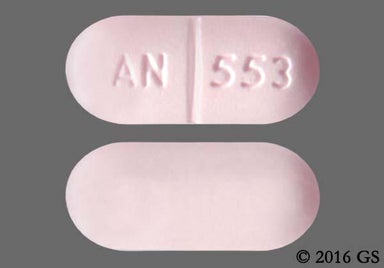
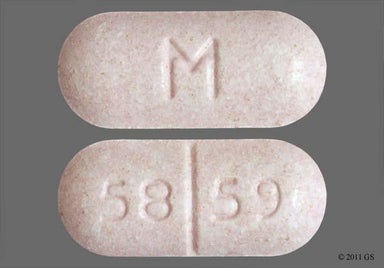
Prescription savings
Stop paying too much for your prescriptions. Compare prices, get pharmacy coupons, and save up to 80%. Find expert answers to your health questions so you can make the best decisions for yourself and your family.
Health conditions
Medications & treatment
Access & affordability
Medication discounts


High blood pressure isn't a common side effect of Metaxalone. If you notice that you have unusually high blood pressure after you take this medication, it could be a sign of a serious condition called serotonin syndrome. This is rare, but your risk is greater if you take Metaxalone with certain antidepressants. Make sure your prescriber and pharmacist knows about all the medications you're taking to check that they're safe for you to take.
Yes, sleepiness is one of the more common side effects of muscle relaxers like Metaxalone. But this medication is the least likely of the muscle relaxants to make you sleepy. Still, don't drive or perform other activities that require you to be alert until you know how Metaxalone affects you.
No. Metaxalone isn't an opioid pain medication (also known as a narcotic). It's also not a controlled substance because there's no risk for addiction or dependence. Metaxalone is a muscle relaxer, which has its own set of risks and warnings. Discuss with your healthcare team about the risks and benefits of taking Metaxalone before you start the medication.
This can vary from person to person. Most people start to feel some effects within an hour of taking Metaxalone. You should feel the full effects within a few hours after your dose.
Metaxalone is a pretty short-acting medication, so you can expect the effects of the medication to wear off after about 4 to 6 hours. Your age, gender, and whether you took your dose with food can also affect how long it takes for Metaxalone to wear off. For example, the effects might linger around longer for females and the effects might go away faster if you take the medication with food.
Yes, you can take Tylenol, also known as acetaminophen, with Metaxalone if you're having general pain or fever along with your muscle spasms. The two medications don't seem to interact with each other.
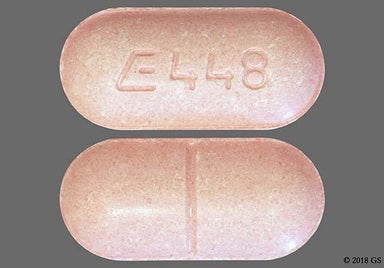
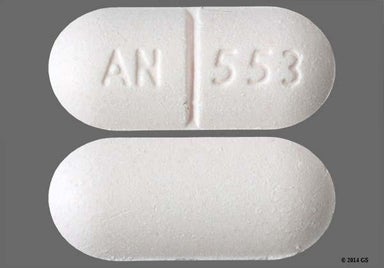
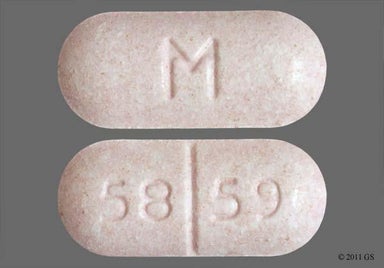
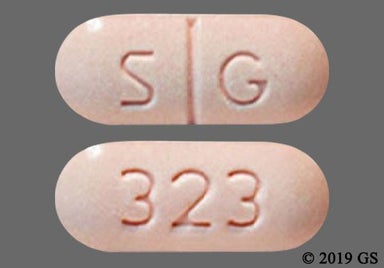
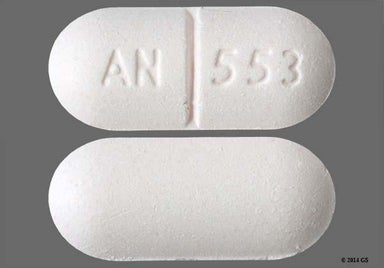
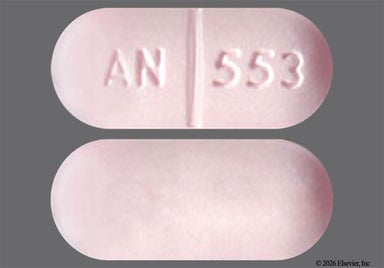
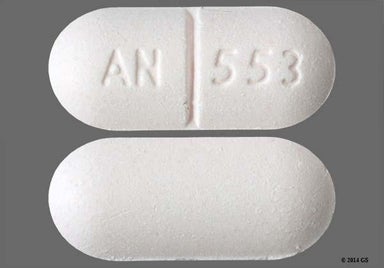
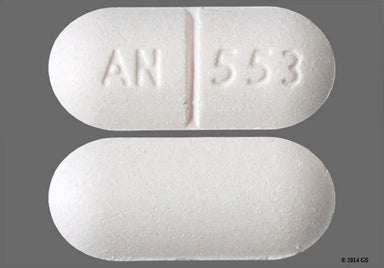
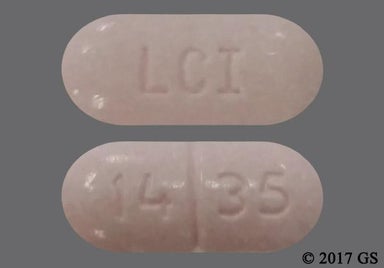
Yes. Metaxalone tablets are scored, which means they have an indented line down the middle of the pill. Scored tablets are typically okay and safe to cut in half. Speak with your prescriber first if you plan to split tablets in half to make sure it's appropriate for you. Be sure to use a pill splitter from the pharmacy to safely cut the tablets along the score line if you need to cut your Metaxalone tablets in half.
Although constipation isn't a commonly reported side effect of Metaxalone, it can happen with certain muscle relaxers. Ask your prescriber or pharmacist to review your current medication list if you start having bothersome constipation. They can help determine whether the constipation is caused by Metaxalone, another medication, or another medical condition.
