

Budesonide, Rinvoq, and More: 8 Oral Crohn’s Disease Medications
Crohn's disease is a chronic inflammatory bowel disease. Treatment typically focuses on managing symptoms and may include these Crohn’s disease medications.
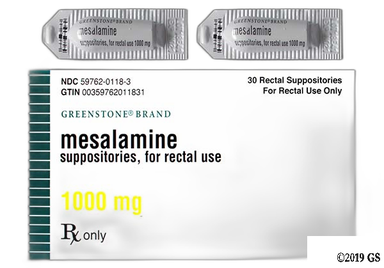
Mesalamine (Rowasa) is an enema that's inserted into the rectum. It's used to treat adults with an inflammatory bowel condition known as ulcerative colitis (UC). This medication belongs to the drug class called aminosalicylates, and it works to lower swelling and inflammation in your colon (gut). The usual dosage is one enema inserted rectally every day at bedtime. Side effects include stomach cramps, gas, and headache. Mesalamine (Rowasa) is available as both a brand-name and generic medication.

Mesalamine (Rowasa) is an aminosalicylate. It's unclear how exactly this medication works. But it's known to block certain chemicals in your gut that cause swelling and inflammation. This might help lessen inflammation in the gut.
| Common Brands | Rowasa, sfRowasa |
|---|---|
| Drug Class | Aminosalicylate |
| Controlled Substance Classification | Not a controlled medication |
| Generic Status | Lower-cost generic available |
| Availability | Prescription only |

The following side effects may get better over time as your body gets used to the medication. Let your healthcare provider know immediately if you continue to experience these symptoms or if they worsen over time.
Contact your healthcare provider immediately if you experience any of the following.
Side effects that you should report to your care team as soon as possible:
Side effects that usually do not require medical attention (report to your care team if they continue or are bothersome):



How to use mesalamine (Rowasa)

Mesalamine (Rowasa) can cause some serious health issues. This risk may be even higher for certain groups. If this worries you, talk to your doctor or pharmacist about other options.
It's possible for you to have an allergic reaction to mesalamine (Rowasa). Allergic reactions can be life-threatening. Symptoms can include shortness of breath; chest tightness; and swelling of your face, lips, tongue, or eyes. Some allergic reactions affect the skin and cause hives, itchiness, skin pain, skin redness, blisters, or peeling skin. Stop taking the medication and get emergency medical help right away if you have an allergic reaction.
Tell your care team if you're allergic to any medications that contain mesalamine. Also since some forms of mesalamine (Rowasa) contain a sulfite, let them know if you're allergic or sensitive to sulfites. The chance of having a sulfite sensitivity might be higher if you have asthma.
Let your prescriber know before you start mesalamine (Rowasa) if you have a history of a kidney condition. This medication is removed from your body through the kidneys. When the kidneys don't work as well as they should (in people with kidney damage), the medication can build up in the body and put you at risk for side effects. In addition, some people who took mesalamine (Rowasa) had serious kidney problems and sometimes even kidney failure. Your prescriber can discuss with you the risks and benefits of taking mesalamine (Rowasa).
Your prescriber might perform routine blood tests before you start mesalamine (Rowasa) and also during treatment. These lab results help check your kidney function as you take the medication. Avoid taking mesalamine (Rowasa) with medications that cause kidney damage, such as nonsteroidal anti‑inflammatory drugs (NSAIDs). Examples include ibuprofen (Advil) and naproxen (Aleve).
People who have a history of liver problems might be at risk for worsening liver function while they're taking medications similar to mesalamine (Rowasa). Let your prescriber know before you start this medication if you have a liver condition. Your prescriber can help weigh the risks and benefits of treatment.
Some people can't tolerate the effects of mesalamine (Rowasa) too well and have a reaction to the medication called acute intolerance syndrome. Symptoms of this reaction can include stomach pain or cramps, bloody diarrhea, fever, headache, or a rash. Keep in mind that these symptoms can sometimes look quite similar to a flare-up of your UC. Stop taking mesalamine (Rowasa) and let your care team know right away if you have worsening stomach cramps and bloody diarrhea.

 Carton
| Dosage | Quantity | Price as low as | Price per unit |
|---|---|---|---|
| 28 bottles of 4g/60ml | 1 carton | $126.20 | $126.20 |
| 7 bottles of 4g/60ml | 4 cartons | $126.20 | $31.55 |
Each 60 mL enema contains 4 grams of mesalamine.
The typical dose is 1 enema inserted into your rectum once every day at bedtime.


Contraindications are specific health conditions or situations in which a person should not take a medication due to safety concerns. If you have any of the following conditions or if any of the following apply to you, let your healthcare provider know because Mesalamine (Rowasa) will not be safe for you to take.


Prescription savings
Stop paying too much for your prescriptions. Compare prices, get pharmacy coupons, and save up to 80%. Find expert answers to your health questions so you can make the best decisions for yourself and your family.
Health conditions
Medications & treatment
Access & affordability
 Our monthly healthcare membership can help you save thousands on your prescription costs.
Resources

No, Rowasa isn't a steroid. Instead, this medication belongs to the drug class called aminosalicylates. Similar to steroids though, it lessens inflammation. But it works in a different way.
The maximum recommended dosage of Rowasa is 4 grams (one enema) inserted into the rectum once a day at bedtime. Don't use more medication than what's prescribed to you because this can cause more side effects. Speak with your prescriber if you feel like you need more help managing your UC.
Rowasa can start working within 3 to 21 days, but your treatment course will typically last anywhere between 3 and 6 weeks. Follow your prescriber's instructions about how long you should take the medication. It'll depend on your symptoms and severity of your UC. Let your care team know if you feel like Rowasa isn't working well to control your symptoms after you've taken the medication as prescribed for 6 weeks.
The best time to take Rowasa is at bedtime. This is because the liquid in the enema should stay in your rectum for about 8 hours, which might be hard to do if you're walking around during the day.
Rowasa is used to control your inflammatory bowel condition, so it's best to continue taking the medication for as long as prescribed by your healthcare professional. Your condition can flare up if you stop taking Rowasa and you don't complete your full course of treatment. Don't skip doses or make adjustments to your dose without talking to your prescriber first.
Weight gain wasn't a commonly reported side effect during clinical studies of Rowasa. But some people reported bloating, which could be due to many different reasons. Speak to a healthcare professional if you have concerns about your weight.
After squeezing Rowasa into your rectum, the liquid should stay in for about 8 hours. This is why it's recommended to take the medication at bedtime. Try to stay still for at least 30 minutes after you squeeze out the medication into the rectum. And also try to stay in bed as much as you can so the liquid stays in all night.
Speak with your prescriber about whether you can take Rowasa if you're pregnant. There isn't enough information to know whether the medication is safe during pregnancy, so it's not known whether it can cause harm to your unborn baby. There are some studies done in animals, but these studies aren't representative of effects in humans. Discuss with your prescriber about the risks and benefits of Rowasa during pregnancy. They'll prescribe the medication only if it's absolutely necessary for you to take while you're pregnant.
