


What’s in Your Medicine? A Guide to Ingredients
What are active and inactive ingredients? Where do these ingredients come from? Learn what’s in medications and how they’re made.
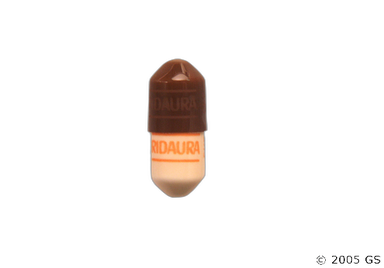
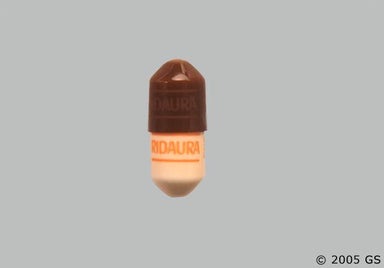
Ridaura (auranofin) is an oral medication that contains gold. It's an option for adults with rheumatoid arthritis who can't tolerate non-steroidal anti-inflammatory drugs (NSAIDs).

Ridaura (auranofin) is a gold-containing medication. How it works is unknown, but it's possible that it lowers cell growth and antibody activity to help your symptoms of rheumatoid arthritis.
| Common Brands | Ridaura |
|---|---|
| Drug Class | Gold compound |
| Controlled Substance Classification | Not a controlled medication |
| Generic Status | No lower-cost generic available |
| Availability | Prescription only |

The following side effects may get better over time as your body gets used to the medication. Let your healthcare provider know immediately if you continue to experience these symptoms or if they worsen over time.
Contact your healthcare provider immediately if you experience any of the following.
Gold compounds have been shown to cause tumors and cancer of the kidney when given to animals in large amounts for a long time. However, these effects have not been reported in humans receiving gold compounds for arthritis. If you have any questions about this, check with your doctor.
Along with its needed effects, a medicine may cause some unwanted effects. Although not all of these side effects may occur, if they do occur they may need medical attention.
Check with your doctor as soon as possible if any of the following side effects occur:
More common
Irritation or soreness of tongue—less common with auranofin
metallic taste—less common with auranofin
redness, soreness, swelling, or bleeding of gums—rare with auranofin
skin rash or itching
ulcers, sores, or white spots on lips or in mouth or throat
Rare
Abdominal or stomach pain, cramping, or burning (severe)
bloody or black, tarry stools
confusion
convulsions (seizures)
coughing, hoarseness, difficulty in breathing, shortness of breath, tightness in chest, or wheezing
dark urine
decreased urination
decreased vision
difficulty in swallowing
feeling of something in the eye
hallucinations (hearing, seeing, or feeling things that are not there)
irritation of nose, throat, or upper chest area, possibly with hoarseness or coughing
irritation of vagina
nausea, vomiting, or heartburn (severe and/or continuing)
numbness, tingling, pain, or weakness, especially in the face, hands, arms, or feet
pale stools
painful or difficult urination
pain in lower back, side, or lower abdomen (stomach) area
pain, redness, itching, or tearing of eyes
pinpoint red spots on skin
problems with muscle coordination
red, thickened, or scaly skin
sore throat and fever with or without chills
swelling of face, fingers, ankles, lower legs, or feet
swellings (large) on face, eyelids, mouth, lips, and/or tongue
swollen and/or painful glands
unusual bleeding or bruising
unusual tiredness or weakness
vomiting of blood or material that looks like coffee grounds
yellow eyes or skin
Some side effects may occur that usually do not need medical attention. These side effects may go away during treatment as your body adjusts to the medicine. Also, your health care professional may be able to tell you about ways to prevent or reduce some of these side effects. Check with your health care professional if any of the following side effects continue or are bothersome or if you have any questions about them:
Some patients receiving auranofin have noticed changes in the taste of certain foods. If you notice a metallic taste while receiving any gold compound, check with your doctor as soon as possible. If you notice any other taste changes while you are taking auranofin, it is not necessary to check with your doctor unless you find this effect especially bothersome.
Other side effects not listed may also occur in some patients. If you notice any other effects, check with your healthcare professional.
Call your doctor for medical advice about side effects. You may report side effects to the FDA at 1-800-FDA-1088.




Ridaura (auranofin) can cause some serious health issues. This risk may be even higher for certain groups. If this worries you, talk to your doctor or pharmacist about other options.
 Ridaura (auranofin) contains gold and too much can be toxic. Some of your test levels will become low with gold toxicity, so make sure you get your blood tests drawn regularly. Other signs include itchiness, rash, mouth sores, blood in your urine, or persistent diarrhea. Let your provider know right away if you notice any of these signs.

 Capsule
| Dosage | Quantity | Price as low as | Price per unit |
|---|---|---|---|
| 3mg | 60 capsules | $1,505.48 | $25.09 |
The usual dose is 6 mg by mouth daily. You can choose to take 3 mg twice a day or 6 mg once a day.

Although certain medicines should not be used together at all, in other cases two different medicines may be used together even if an interaction might occur. In these cases, your doctor may want to change the dose, or other precautions may be necessary. When you are taking any of these medicines, it is especially important that your healthcare professional know if you are taking any of the medicines listed below. The following interactions have been selected on the basis of their potential significance and are not necessarily all-inclusive.
Using medicines in this class with any of the following medicines is not recommended. Your doctor may decide not to treat you with a medication in this class or change some of the other medicines you take.
Using medicines in this class with any of the following medicines is usually not recommended, but may be required in some cases. If both medicines are prescribed together, your doctor may change the dose or how often you use one or both of the medicines.


Contraindications are specific health conditions or situations in which a person should not take a medication due to safety concerns. If you have any of the following conditions or if any of the following apply to you, let your healthcare provider know because Ridaura (auranofin) will not be safe for you to take.
Gold-induced disorders:

This medication is used for many different conditions. Generally, it's used for autoimmune problems, conditions related to swelling, or cancer. Some examples include:


Prescription savings
Stop paying too much for your prescriptions. Compare prices, get pharmacy coupons, and save up to 80%. Find expert answers to your health questions so you can make the best decisions for yourself and your family.
Health conditions
Medications & treatment
Access & affordability
 Our monthly healthcare membership can help you save thousands on your prescription costs.
Resources

Ridaura should only be used in adults with RA who aren't able to control their symptoms with NSAIDs. This might mean they can't take NSAIDs because they have an underlying condition. It can also mean that they took a full dose of NSAIDs and didn't have good symptom relief.
Yes, Ridaura is considered a nonbiologic DMARD (disease-modifying antirheumatic drug). It works best in early stages of RA. Gold products can't reverse damage to joints, but can prevent more damage.
Ridaura is not recommended during pregnancy. There might be limited medication options to use for RA during pregnancy. Talk to your provider about family planning.
You can drink alcohol when you're taking Ridaura, but try to drink in moderation. Ridaura and alcohol can both damage your liver.
