


Restless Leg Syndrome: Causes, Symptoms, and Treatment
People with restless legs syndrome experience a strong urge to move their legs. While this condition can’t be completely treated, the symptoms can be managed.
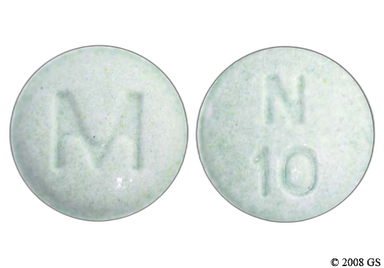
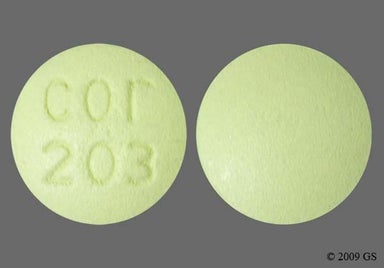
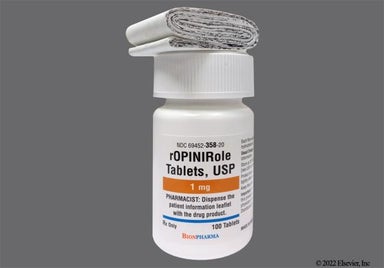
Ropinirole is a dopamine agonist that's used to treat Parkinson's disease (PD) and restless legs syndrome (RLS) in adults. For Parkinson's disease, the immediate-release tablets are taken by mouth three times per day, and the extended-release tablets are taken once per day. Ropinirole side effects include nausea, sleepiness, and dizziness.

Ropinirole is a dopamine agonist. It's not completely known how the medication works. But it's thought to act like a chemical called dopamine in the brain.
Parkinson's disease and restless legs syndrome seem to be caused by problems in the dopamine system in the brain. So by acting like dopamine, ropinirole helps improve movement problems for people with Parkinson's disease or restless legs syndrome.
| Common Brands | Requip |
|---|---|
| Drug Class | Dopamine agonist |
| Controlled Substance Classification | Not a controlled medication |
| Generic Status | Lower-cost generic available |
| Availability | Prescription only |

The following side effects may get better over time as your body gets used to the medication. Let your healthcare provider know immediately if you continue to experience these symptoms or if they worsen over time.
Parkinson's disease:
Restless legs syndrome:
Parkinson's disease:
Restless legs syndrome:
Contact your healthcare provider immediately if you experience any of the following.
Along with its needed effects, a medicine may cause some unwanted effects. Although not all of these side effects may occur, if they do occur they may need medical attention.
Check with your doctor immediately if any of the following side effects occur:
More common
Confusion
dizziness, faintness, or lightheadedness when getting up suddenly from a lying or sitting position
drowsiness
falling
seeing, hearing, or feeling things that are not there (hallucinations)
sleepiness or unusual drowsiness
swelling of the legs
twisting, twitching, or other unusual body movements
unusual tiredness or weakness
worsening of parkinsonism
Less common
Abdominal or stomach pain
bloating or swelling of the face, arms, hands, lower legs, or feet
blood in the urine
blurred vision
burning, pain, or difficulty in urinating
chills
cold sweats
double vision or other eye or vision problems
fainting
fear or nervousness
feeling of constant movement of self or surroundings
high or low blood pressure
irregular or pounding heartbeat
loss of memory
mental depression
pain in the arms or legs
pounding in the ears
rapid weight gain
sensation of spinning
slow or fast heartbeat
sweating
tightness in chest
tingling of the hands or feet
tingling, numbness, or prickly feelings
trouble in concentrating
troubled breathing
unusual weight gain or loss
vomiting
Get emergency help immediately if any of the following symptoms of overdose occur:
Symptoms of overdose
Agitation
grogginess
increase in unusual body movements, especially of the face or mouth
increased coughing
increased sweating
lack or loss of strength
nightmares
Some side effects may occur that usually do not need medical attention. These side effects may go away during treatment as your body adjusts to the medicine. Also, your health care professional may be able to tell you about ways to prevent or reduce some of these side effects. Check with your health care professional if any of the following side effects continue or are bothersome or if you have any questions about them:
Less common
Abnormal dreams
acid or sour stomach
back pain
belching
decrease in sexual desire or performance
difficulty having a bowel movement (stool)
dryness of mouth
flushing
general feeling of discomfort or illness
indigestion
loss of appetite
yawning
Other side effects not listed may also occur in some patients. If you notice any other effects, check with your healthcare professional.
Call your doctor for medical advice about side effects. You may report side effects to the FDA at 1-800-FDA-1088.




Ropinirole can cause some serious health issues. This risk may be even higher for certain groups. If this worries you, talk to your doctor or pharmacist about other options.
Ropinirole can make you sleepy, sometimes to the point where you might fall asleep suddenly. Your risk is higher if you're also taking other medications that can cause sleepiness, such as benzodiazepines, muscle relaxants, and sleep medications. To avoid accidental injuries that might happen when you suddenly feel sleepy, make sure you know how ropinirole affects you before driving a car or doing activities that require your concentration. Talk to your healthcare provider if you feel too sleepy from ropinirole or have fallen asleep without warning while you're taking the medication.
Ropinirole can cause changes to your blood pressure (either up or down). In particular, your blood pressure can drop when you stand from a sitting or lying position. This can lead to dizziness, loss of balance, or falls. Make sure to get up slowly and hold onto something after sitting or lying down. Contact your provider if you've felt lightheaded, fainted, or experienced a fall while you're taking ropinirole.
Ropinirole can sometimes cause compulsive behavior, which are intense urges and behaviors that are hard to control. Let your provider know if you or your loved ones notice new urges or habits when you're taking ropinirole. These can include gambling, sexual urges, shopping, or excessive eating. Your provider might need to adjust or stop your medication.
Some people taking ropinirole had hallucinations (seeing or hearing things that aren't there). Some also felt distressed, confused, or paranoid or had violent behavior. People with a history of mental health problems are generally not recommended to take ropinirole because the medication might worsen the condition. Contact your provider right away if you or your loved ones notice any hallucinations or other changes in behavior while you're taking ropinirole.
Ropinirole can cause or worsen uncontrolled body movements, such as eye-twitching or lip-smacking. The risk for worsened uncontrolled body movements might be higher for people who are also taking other Parkinson's medications that contain levodopa (such as Sinemet). Talk to your provider right away if you experience any uncontrolled movements and aren't able to stop them. Your provider might recommend to lower your ropinirole dose to help manage this side effect.
The ropinirole immediate-release tablets can potentially worsen your RLS symptoms. They can be worse than before you started taking the medication. Ropinirole can also cause symptoms to spread to other parts of your body, make the restlessness feeling in your legs more intense, or cause your symptoms to start earlier in the day. Ropinirole can also cause symptoms to come back in the early morning hours the next day. Talk to your provider if you notice your RLS symptoms have worsened during treatment. Your provider will discuss with you whether you should lower your dose.

 Tablet
| Dosage | Quantity | Price as low as | Price per unit |
|---|---|---|---|
| 0.25mg | 90 tablets | $20.14 | $0.22 |
| 0.5mg | 90 tablets | $17.39 | $0.19 |
| 2mg | 90 tablets | $22.05 | $0.25 |
| 3mg | 90 tablets | $21.71 | $0.24 |
| 4mg | 90 tablets | $23.33 | $0.26 |
| 5mg | 90 tablets | $23.59 | $0.26 |
| 1mg | 30 tablets | $9.00 | $0.30 |
Your provider will adjust your dose based on how well the medication is working for you and whether you're having side effects. Your dose might differ if you have severe kidney problems.

Although certain medicines should not be used together at all, in other cases two different medicines may be used together even if an interaction might occur. In these cases, your doctor may want to change the dose, or other precautions may be necessary. When you are taking this medicine, it is especially important that your healthcare professional know if you are taking any of the medicines listed below. The following interactions have been selected on the basis of their potential significance and are not necessarily all-inclusive.
Using this medicine with any of the following medicines is not recommended. Your doctor may decide not to treat you with this medication or change some of the other medicines you take.
Using this medicine with any of the following medicines is usually not recommended, but may be required in some cases. If both medicines are prescribed together, your doctor may change the dose or how often you use one or both of the medicines.
Using this medicine with any of the following medicines may cause an increased risk of certain side effects, but using both drugs may be the best treatment for you. If both medicines are prescribed together, your doctor may change the dose or how often you use one or both of the medicines.


















Prescription savings
Stop paying too much for your prescriptions. Compare prices, get pharmacy coupons, and save up to 80%. Find expert answers to your health questions so you can make the best decisions for yourself and your family.
Health conditions
Medications & treatment
Access & affordability
Medication discounts

Ropinirole is not being discontinued. The manufacturer discontinued the brand-name product called Requip for business reasons. But lower-cost generic versions of the medication are still available and being used today.
No, Ropinirole isn't a controlled substance. It doesn't have a risk of addiction or dependence.
In general, it takes about 1.5 to 2 hours for Ropinirole to start working. This is why for restless leg syndrome, you should take the medication 1 to 3 hours before bedtime.
It can take a little over a day for most of Ropinirole to leave the body. This time frame is estimated based on the half-life of the medication. Keep in mind that how long the medication stays in your system can differ for each person because it also depends on your age, liver function, and genetics.
No, Ropinirole isn't typically taken as needed. You should take Ropinirole every day for both Parkinson's disease and restless leg syndrome so the medication can work as best as it can. Taking it as needed raises your risk for withdrawal symptoms (e.g., nausea, vomiting, anxiety, distress). Make sure to take Ropinirole exactly as prescribed.
Talk to your provider if you're interested in stopping Ropinirole. Your provider will work with you to come up with a plan to safely stop the medication. This typically involves slowly lowering the dose over a period of time so the dopamine levels in your brain don't drop too quickly. Stopping Ropinirole too suddenly can cause your PD or RLS symptoms to come back. Additionally, you can have withdrawal symptoms (e.g., anxiety, distress) or a serious side effect called neuroleptic malignant syndrome that causes high fever, muscle stiffness, and confusion.
Weight gain wasn't a reported side effect from people taking Ropinirole in clinical studies. But Ropinirole can cause compulsive behavior, or intense urges and behaviors that are hard to control. One possible urge is the urge to eat excessively, which can potentially lead to weight gain. Talk to your provider if you experience changes in weight and you're concerned about how your weight has changed since starting Ropinirole.
Yes, sleepiness is one of the most common side effects of Ropinirole. This medication can even make you suddenly feel sleepy without any warning. Tell your provider if you're taking other medications that can cause sleepiness because they can make the side effect feel more intense. It's also recommended to avoid alcohol because it can make sleepiness worse. Make sure to avoid driving or doing anything that requires concentration until you know how this medication affects you to prevent accidental injuries. Talk to your provider if Ropinirole is making you too sleepy throughout the day and is interfering with your normal daily activities. Your provider might recommend lowering your dose or switching you to a different medication.
