Pyrukynd
Pyrukynd (mitapivat) is a pyruvate kinase activator. It's FDA-approved to treat hemolytic anemia in adults with pyruvate kinase deficiency. Pyrukynd (mitapivat) is taken by mouth twice daily with or without food. Some common side effects of this medication include back and joint pain.


What is Pyrukynd (mitapivat)?
What is Pyrukynd (mitapivat) used for?
- Hemolytic anemia in adults with pyruvate kinase (PK) deficiency
How Pyrukynd (mitapivat) works
Pyruvate kinase (PK) is an enzyme (protein) that gives your red blood cells (RBCs) energy to travel throughout your body. If you have PK deficiency, your PK enzyme doesn't work well. This means your RBCs break down more quickly than they should, which results in lower RBC levels (anemia).
Pyrukynd (mitapivat) is a pyruvate kinase (PK) activator. It works by turning on PK enzymes. This means your RBCs won't break down as quickly and will have the energy needed to bring oxygen throughout the body.
Drug facts
| Common Brands | Pyrukynd |
|---|---|
| Drug Class | Pyruvate kinase activator |
| Controlled Substance Classification | Not a controlled medication |
| Generic Status | No lower-cost generic available |
| Availability | Prescription only |

Side effects of Pyrukynd (mitapivat)
The following side effects may get better over time as your body gets used to the medication. Let your healthcare provider know immediately if you continue to experience these symptoms or if they worsen over time.
Common Side Effects
- Back pain (15%)
- Joint pain (10%)
- High triglyceride (fat) levels (8%)
- Nausea, vomiting, or other symptoms of viral stomach infection (8%)
- Pain in mouth and throat (8%)
- Hot flashes (8%)
Less Common Side Effects
- Irregular heart rhythm
- Higher blood pressure
- Breast discomfort
- Dry mouth
- "Pins-and-needles" feeling
Pyrukynd (mitapivat) serious side effects
Contact your healthcare provider immediately if you experience any of the following.
- Short-term hemolytic anemia: yellowing of skin or eyes, dark urine, dizziness, confusion, fatigue, shortness of breath
The following Pyrukynd (mitapivat) side effects have also been reported
Side effects that you should report to your care team as soon as possible:
- Allergic reactions—skin rash, itching, hives, swelling of the face, lips, tongue, or throat
- Hemolytic anemia—unusual weakness or fatigue, dizziness, headache, trouble breathing, dark urine, yellowing skin or eyes
- Liver injury—right upper belly pain, loss of appetite, nausea, light-colored stool, dark yellow or brown urine, yellowing skin or eyes, unusual weakness or fatigue
Side effects that usually do not require medical attention (report these to your care team if they continue or are bothersome):

Get your GoodRx coupon

Pros and cons of Pyrukynd (mitapivat)
Pros
- Works well to treat symptoms of hemolytic anemia due to pyruvate kinase deficiency
- Taken by mouth, with or without food
- Stored at room temperature
Cons
- No lower-cost generic available; brand name only
- Interacts with a lot of commonly used medications
- Not a good choice for people with liver problems

Pharmacist tips for Pyrukynd (mitapivat)

- Take Pyrukynd (mitapivat) with or without food. If it's hurting your stomach, try taking it with food to help. Don't split, crush, chew, or dissolve the tablets.
- If you miss a dose of Pyrukynd (mitapivat) by less than 4 hours, take the dose as soon as possible. If you missed your dose of Pyrukynd (mitapivat) by more than 4 hours, skip the missed dose. Start taking Pyrukynd (mitapivat) again at your next scheduled dose, then continue with your regular dosing schedule.
- Don't suddenly stop taking Pyrukynd (mitapivat). Doing so can put you at risk for anemia. If you want to stop this medication, let your provider know. They can help you stop Pyrukynd (mitapivat) safely by slowly lowering your dose over time.
- Pyrukynd (mitapivat) interacts with a lot of commonly used medications. Tell your provider about all of the medications you're taking, including over-the-counter and prescription medications as well as herbal supplements. Don't start taking any new medications without talking to your provider or pharmacist first.

Risks and warnings for Pyrukynd (mitapivat)
Pyrukynd (mitapivat) can cause some serious health issues. This risk may be even higher for certain groups. If this worries you, talk to your doctor or pharmacist about other options.
Return of anemia symptoms
Don't suddenly stop taking Pyrukynd (mitapivat) without talking to your provider first. Doing so can cause short-term hemolytic anemia. If you'd like to stop taking Pyrukynd (mitapivat), talk to your provider to come up with a plan on how to lower your dose slowly over time until you completely stop taking it. Contact your provider if you experience any symptoms of hemolytic anemia, such as yellowing of skin or eyes, dark urine, dizziness, tiredness, trouble breathing.

Pyrukynd (mitapivat) dosage
 Carton
| Dosage | Quantity | Price as low as | Price per unit |
|---|---|---|---|
| 28 day packs of 5mg | 1 carton | $24,735.85 | $24,735.85 |
| 28 day packs of 20mg | 1 carton | $24,735.85 | $24,735.85 |
| 28 day packs of 50mg | 1 carton | $24,735.85 | $24,735.85 |
| taper pack of 5mg | 1 carton | $3,097.45 | $3,097.45 |
| taper pack of 20mg/5mg | 1 carton | $6,188.65 | $6,188.65 |
| taper pack of 50mg/20mg | 1 carton | $6,188.65 | $6,188.65 |

How much does Pyrukynd (mitapivat) cost?
$3,097.45

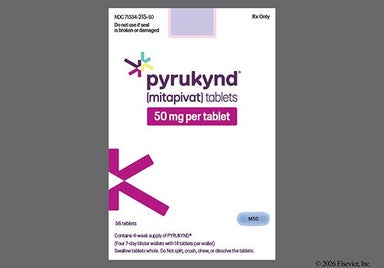
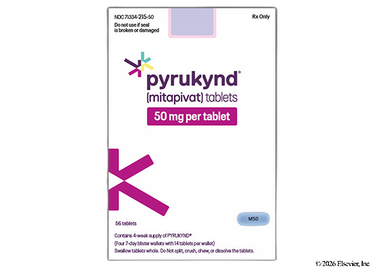
Pyrukynd (mitapivat) images