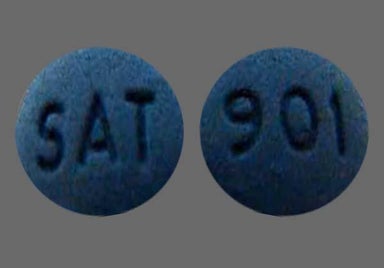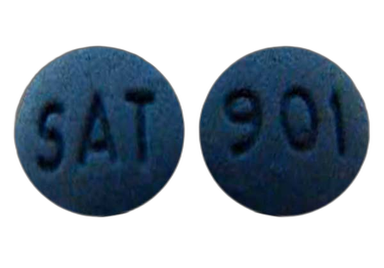
Hyophen
Hyophen is a combination medication that treats a variety of urinary symptoms, such as painful urination, bladder discomfort, and urgency, caused by irritation or infections. It isn't an antibiotic and cannot be used to treat a urinary tract infection (UTI).


What is Hyophen?
What is Hyophen used for?
- Symptoms of irritative urination such as frequency, urgency, painful urination, and loss of bladder control
- Urinary symptoms related to urinary tract infections (UTIs)
- Urinary symptoms caused by medical procedures
How Hyophen works
Hyophen is a combination medication made of 5 different drugs, which all work differently.
- Hyoscyamine sulfate relaxes the bladder muscle to limit bladder spasms and the urge to urinate.
- Methenamine is broken down to formaldehyde in acidic urine, which kills bacteria and stops its growth.
- Methylene blue works as an antiseptic, meaning it prevents growth of bacteria.
- Phenyl salicylate works as a pain reliever.
- Benzoic acid keeps your urine acidic to help methenamine break down into formaldehyde.
Drug facts
| Common Brands | Hyophen |
|---|---|
| Drug Class | Urinary antispasmodic / Antiseptic |
| Controlled Substance Classification | Not a controlled medication |
| Generic Status | No lower-cost generic available |
| Availability | Prescription only |

Side effects of Hyophen
The following side effects may get better over time as your body gets used to the medication. Let your healthcare provider know immediately if you continue to experience these symptoms or if they worsen over time.
Common Side Effects
- Rapid heartbeat
- Blurred vision
- Dizziness
- Drowsiness
- Blue to blue-green urine or stools
- Redness of your skin (flushing)
- Difficult urination
- Cannot empty your bladder fully
- Dry mouth
- Nausea
- Vomiting
Hyophen serious side effects
Contact your healthcare provider immediately if you experience any of the following.
- Serious allergic reaction: itching, rash, severe dizziness, swelling, or trouble breathing
The following Hyophen side effects have also been reported
Side effects that you should report to your care team as soon as possible:
- Allergic reactions—skin rash, itching, hives, swelling of the face, lips, tongue, or throat
- Blurry vision
- Change in the amount of urine
- Fast or irregular heartbeat
- Trouble passing urine
Side effects that usually do not require medical attention (report to your care team if they continue or are bothersome):

Get your GoodRx coupon

Pros and cons of Hyophen
Pros
- Combination of 5 medications that all work in different ways to relieve your urinary symptoms
- Treats a variety of urinary symptoms
Cons
- Needs to be taken 4 times per day
- Can be more expensive because a generic version is not available
- Generally not recommended in people older than 65
- Cannot be used by children age 6 years and younger
- Can interact with many drugs

Pharmacist tips for Hyophen

- If you experience a rapid pulse, dizziness, or blurred vision, stop taking Hyophen right away and contact your provider. Don't drive or do things that require you to focus until you know how this medication makes you feel.
- Hyophen can interact with many drugs, such as sulfamethoxazole/trimethoprim (Bactrim), fluoxetine (Prozac), and amitriptyline (Elavil), so it's important that you check with your provider or pharmacist if you need to space out timing of your medications. If Hyophen is taken at the same time as certain medications, it might not work as well or more side effects can occur.
- You can have an allergic reaction to Hyophen if you've had a reaction to belladonna alkaloids, such as atropine and scopolamine (Transderm Scop), or salicylates, such as aspirin. Let your provider know if you've had allergies to these medications in the past.
- Take Hyophen with or without food. Drink plenty of water after taking each dose to make sure your kidneys have good blood flow.
- Store this medication at room temperature, in a container that will protect it from light.

Risks and warnings for Hyophen
Hyophen can cause some serious health issues. This risk may be even higher for certain groups. If this worries you, talk to your doctor or pharmacist about other options.
Mental side effects
- Risk factors: Age 65 years and older
Older adults might experience excitement, agitation, drowsiness, or confusion while taking Hyophen. Let your provider know if this becomes bothersome.
Allergic reactions
- Risk factors: Allergic reaction to belladonna alkaloids or salicylates
You can have an allergic reaction to Hyophen if you've had a reaction to belladonna alkaloids, such as atropine and scopolamine (Transderm Scop), or salicylates, such as aspirin. Let your provider know if you've had allergies to these medications in the past.
Stomach problems
- Risk factors: Stomach ulcer
Hyophen can slow down your digestion. This can cause problems if you have a stomach ulcer. Let your provider know if you're being treated for a stomach ulcer before you start taking Hyophen.
Long-term use
It isn't known if it's safe to take Hyophen for a prolonged period of time. It’s important for you and your provider to weigh the risk and benefits of taking this medication long-term.

Hyophen dosage
 Tablet
| Dosage | Quantity | Price as low as | Price per unit |
|---|---|---|---|
| 81.6mg/0.12mg | 90 tablets | $239.39 | $2.66 |

How much does Hyophen cost?
$239.39

What are alternatives to Hyophen?

Hyophen images