

Travel Vaccines: How to Get Vaccinated for Yellow Fever, Malaria, and More
If you’re planning an international trip, you may need to update your travel vaccines. Learn where to get travel vaccines and how to save on the cost.
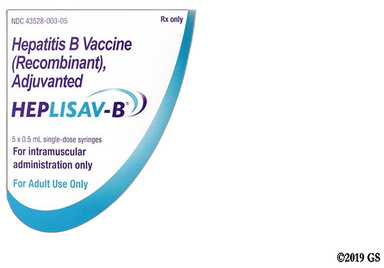
Heplisav-B is a vaccine that helps protect against hepatitis B infection from the hepatitis B virus. It's approved for adults ages 18 years and older. Heplisav-B is given as an injection into the shoulder muscle by a healthcare professional. The complete vaccine series is 2 doses given a month apart. Common side effects are pain at the injection site and tiredness.

Heplisav-B is a type of inactivated vaccine. It contains a small piece of an inactivve form of the hepatitis B virus. Your immune system then makes antibodies and other defenses against the virus. If you're exposed to the hepatitis B virus later, your immune system can respond faster and help protect you from infection.
| Common Brands | Heplisav-B |
|---|---|
| Drug Class | Vaccine |
| Controlled Substance Classification | Not a controlled medication |
| Generic Status | No lower-cost generic available |
| Availability | Prescription only |

The following side effects may get better over time as your body gets used to the medication. Let your healthcare provider know immediately if you continue to experience these symptoms or if they worsen over time.
Contact your healthcare provider immediately if you experience any of the following.
Along with its needed effects, a medicine may cause some unwanted effects. Although not all of these side effects may occur, if they do occur they may need medical attention.
Check with your doctor or nurse immediately if any of the following side effects occur:
More common
Fever of 37.7 degrees C (100 degrees F) or higher
Rare
Aches or pain in the joints, fever, or skin rash or welts (may occur days or weeks after receiving the vaccine)
blurred vision or other vision changes
confusion
difficulty with breathing or swallowing
dizziness, faintness, or lightheadedness when getting up suddenly from a lying or sitting position
itching, especially of the feet or hands
muscle weakness
numbness or tingling of the arms and legs
reddening of the skin, especially around the ears
sweating
swelling of the eyes, face, or inside of the nose
unusual tiredness or weakness (sudden and severe)
Some side effects may occur that usually do not need medical attention. These side effects may go away during treatment as your body adjusts to the medicine. Also, your health care professional may be able to tell you about ways to prevent or reduce some of these side effects. Check with your health care professional if any of the following side effects continue or are bothersome or if you have any questions about them:
More common
Dizziness
headache
soreness at the injection site
Less common
Hard lump, redness, swelling, pain, itching, purple spot, tenderness, or warmth at the injection site
unusual tiredness or weakness
Rare
Aches or pain in the muscles
agitation
back pain or stiffness or pain in neck or shoulder
chills
difficulty with moving
feeling of warmth
general feeling of discomfort or illness
headache (mild), sore throat, runny nose, or fever (mild)
increased sweating
lack of appetite or decreased appetite
nausea or vomiting
redness of the face, neck, arms, and occasionally, upper chest
sleepiness or unusual drowsiness
stomach cramps or pain
sudden redness of skin
swelling of glands in the armpit or neck
trouble with sleeping
unable to sleep
welts
Other side effects not listed may also occur in some patients. If you notice any other effects, check with your healthcare professional.
Call your doctor for medical advice about side effects. You may report side effects to the FDA at 1-800-FDA-1088.




Heplisav-B can cause some serious health issues. This risk may be even higher for certain groups. If this worries you, talk to your doctor or pharmacist about other options.
Allergic reactions like anaphylaxis are possible with Heplisav-B. Your vaccinator might ask you to stay at the pharmacy or clinic for a short time after you get your shot. This is so they can help you if an allergic reaction happens. Get medical help right away if you have trouble breathing, swelling of your face or throat, hives, dizziness, or feel faint after getting Heplisav-B.
If you have a weakened immune system, your immune system might not respond as strongly to Heplisav-B. This means you might have less protection against hepatitis B after vaccination.
Tell your vaccinator about your health conditions and medications before getting Heplisav-B. Conditions, like HIV or cancer, can weaken your immune system. Some medications, like high-dose steroids or transplant medications, can also weaken it. Your care team can discuss additional ways to help protect you from hepatitis B.

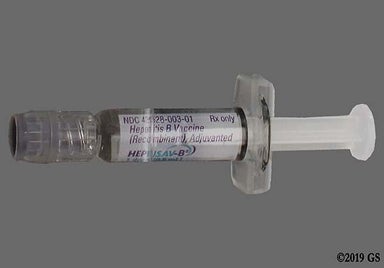
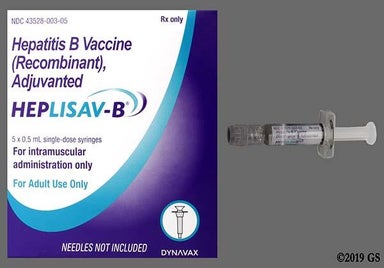
 Syringe
| Dosage | Quantity | Price as low as | Price per unit |
|---|---|---|---|
| 0.5ml | 1 syringe | $156.08 | $156.08 |

Although certain medicines should not be used together at all, in other cases two different medicines may be used together even if an interaction might occur. In these cases, your doctor may want to change the dose, or other precautions may be necessary. Tell your healthcare professional if you are taking any other prescription or nonprescription (over-the-counter [OTC]) medicine.


Contraindications are specific health conditions or situations in which a person should not take a medication due to safety concerns. If you have any of the following conditions or if any of the following apply to you, let your healthcare provider know because Heplisav-B will not be safe for you to take.


Prescription savings
Stop paying too much for your prescriptions. Compare prices, get pharmacy coupons, and save up to 80%. Find expert answers to your health questions so you can make the best decisions for yourself and your family.
Health conditions
Medications & treatment
Access & affordability
Medication discounts


You need 2 doses of Heplisav-B to complete the vaccine series. They're given as an injection into your shoulder muscle, 1 month apart. Be sure to get both so you can get as much protection from hepatitis B with Heplisav-B as you can.
Heplisav-B and Engerix-B are both hepatitis B vaccines. They're both given as injections into the muscle. The main difference is who can get the vaccine and what the vaccine schedule is like. Heplisav-B is only for adults and consists of 2 doses given 1 month apart. Engerix-B can be given to both adults and children. Most times, Engerix-B consists of 3 doses over 6 months. Talk to a healthcare professional to compare and see which hepatitis B vaccine is right for you.
Yes. Hepatitis B vaccines like Heplisav-B can help lower your risk of liver cancer. This is because they protect you from hepatitis B. And hepatitis B could potentially lead to liver cancer if you have a long-term infection. But it's not known exactly how much Heplisav-B lowers this risk. Talk to a healthcare professional if you have more questions about hepatitis B vaccination and liver cancer.
Protection from Heplisav-B typically lasts many years, even decades. Most people don't need a booster.
You can get Heplisav-B at some pharmacies, clinics, and medical offices. A healthcare professional gives it as an injection into your shoulder muscle. Not every location carries Heplisav-B, so call ahead to check. You can also ask your pharmacist or healthcare professional where to find Heplisav-B.
Yes. The American College of Obstetricians & Gynecologists (ACOG) says hepatitis B vaccines like Heplisav-B is safe during pregnancy. Hepatitis B vaccination might be recommended during pregnancy if you're at risk for hepatitis B. If you're pregnant, talk to your obstetrician-gynecologist (OB-GYN) about whether you should get Heplisav-B.
Dynavax Technologies, which is now a part of Sanofi, makes Heplisav-B.
Heplisav-B was FDA approved in November 2017. It's approved to prevent infection caused by hepatitis B in adults.
