


Potassium Chloride vs. Potassium Citrate: What’s the Best Potassium Supplement?
Explore the differences between potassium chloride and potassium citrate to find the best potassium supplement for your needs.
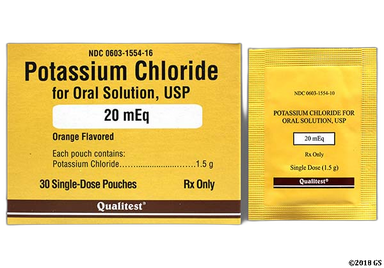
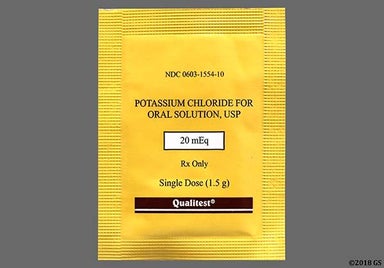
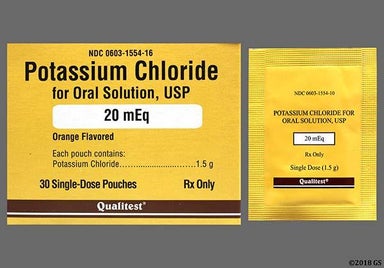
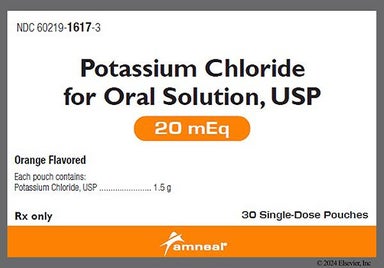
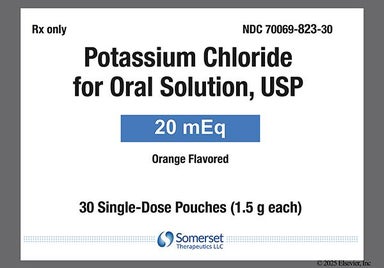
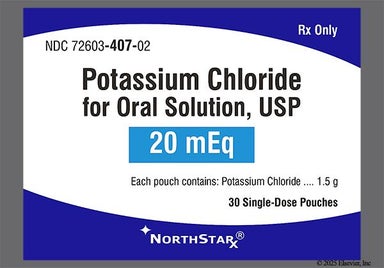
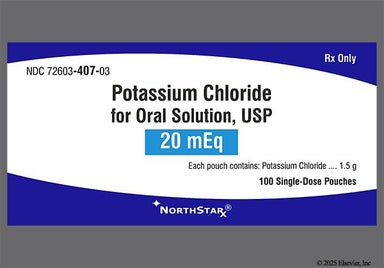
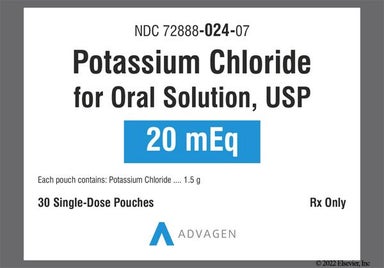
Potassium chloride is a prescription supplement used to treat or prevent low blood potassium levels (hypokalemia) in adults and children. It's available in several forms, including extended-release tablets, extended-release capsules, packets, and oral solutions. You take it by mouth, usually once or multiple times daily depending on your potassium levels. Common side effects include nausea, vomiting, and stomach pain.
Note: Potassium chloride is also available as an over-the-counter (OTC) supplement.

Potassium chloride is a potassium salt, which is a type of supplement. Potassium is an important mineral and electrolyte for your heart, nerves, and muscles to work properly.
Potassium chloride helps replace potassium in your body when your levels are too low, so your body can function normally again.
| Common Brands | Klor-Con, Klor-Con M, Pokonza |
|---|---|
| Drug Class | Dietary supplement |
| Controlled Substance Classification | Not a controlled medication |
| Generic Status | Lower-cost generic available |
| Availability | Prescription only |

The following side effects may get better over time as your body gets used to the medication. Let your healthcare provider know immediately if you continue to experience these symptoms or if they worsen over time.
Contact your healthcare provider immediately if you experience any of the following.
Along with its needed effects, a medicine may cause some unwanted effects. Although not all of these side effects may occur, if they do occur they may need medical attention.
Stop taking this medicine and check with your doctor immediately if any of the following side effects occur:
Less common
Confusion
irregular or slow heartbeat
numbness or tingling in hands, feet, or lips
shortness of breath or difficult breathing
unexplained anxiety
unusual tiredness or weakness
weakness or heaviness of legs
Check with your doctor as soon as possible if any of the following side effects occur:
Some side effects may occur that usually do not need medical attention. These side effects may go away during treatment as your body adjusts to the medicine. Also, your health care professional may be able to tell you about ways to prevent or reduce some of these side effects. Check with your health care professional if any of the following side effects continue or are bothersome or if you have any questions about them:
Sometimes you may see what appears to be a whole tablet in the stool after taking certain extended-release potassium chloride tablets. This is to be expected. Your body has absorbed the potassium from the tablet and the shell is then expelled.
Other side effects not listed may also occur in some patients. If you notice any other effects, check with your healthcare professional.
Call your doctor for medical advice about side effects. You may report side effects to the FDA at 1-800-FDA-1088.



How to take potassium chloride:

Potassium chloride can cause some serious health issues. This risk may be even higher for certain groups. If this worries you, talk to your doctor or pharmacist about other options.
Risk factors: Taking too much potassium chloride | Taking other medications that can raise potassium levels | Kidney problems
Only take potassium chloride as directed by your prescriber. Taking too much can cause high potassium levels, which can be dangerous. Your risk is higher if you also take other medications that raise potassium, like spironolactone or lisinopril.
Tell your prescriber right away if you have symptoms like nausea or muscle weakness. High potassium levels can become serious if not treated.
Risk factors: Taking a pill form of potassium chloride | Difficulty swallowing or slow intestinal movement
Pill forms (capsules or tablets) of potassium chloride can irritate your stomach and intestines and cause stomach-related side effects. In rare cases, this can lead to serious problems like ulcers, bleeding, or other internal injury. Stop taking potassium chloride and contact your prescriber right away if you have severe vomiting, stomach pain, bloating, or black-colored stools.
If you have trouble swallowing or a condition that slows movement in your intestines, your prescriber could recommend the liquid form (packets or oral solution) of potassium chloride. The liquid form is less likely to cause stomach irritation.

 Carton
| Dosage | Quantity | Price as low as | Price per unit |
|---|---|---|---|
| 30 packets of 40meq | 2 cartons | $4,617.61 | $2,308.81 |
Effervescent tablet| Dosage | Quantity | Price as low as | Price per unit |
|---|---|---|---|
| 25meq | 30 effervescent tablets | $41.67 | $1.39 |
 Ml of oral solution
| Dosage | Quantity | Price as low as | Price per unit |
|---|---|---|---|
| 10% | 473 ml | $25.84 | $0.05 |
| 20% | 473 ml | $34.92 | $0.07 |
 Packet
| Dosage | Quantity | Price as low as | Price per unit |
|---|---|---|---|
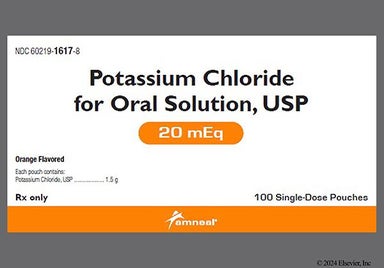
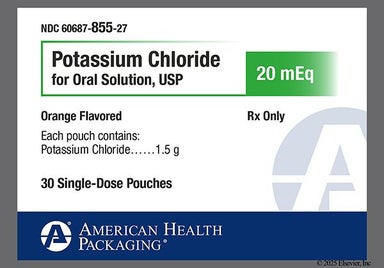
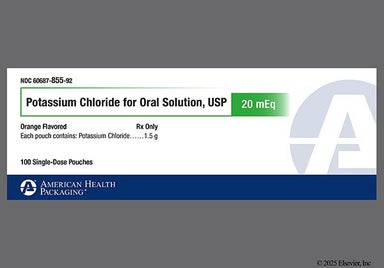
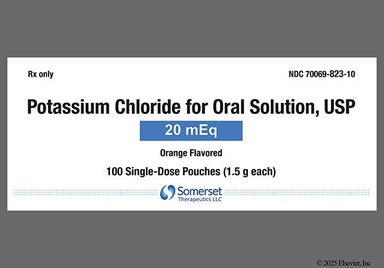
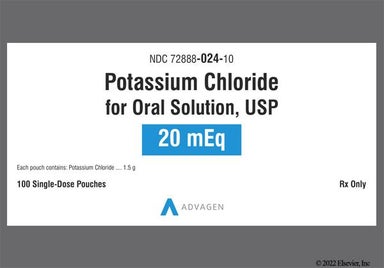
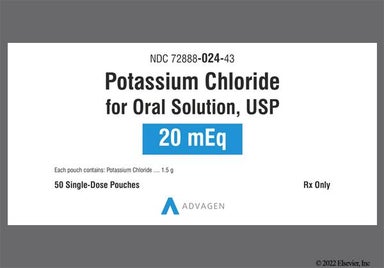
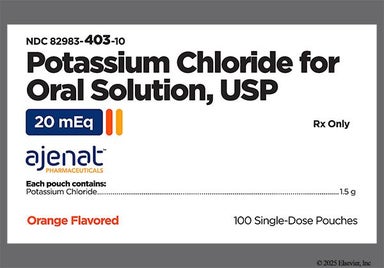
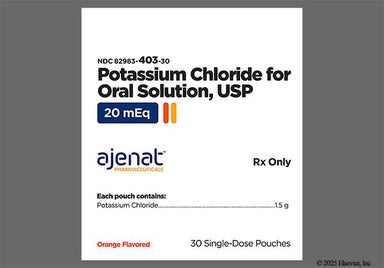
| 20meq | 30 packets | $32.91 | $1.10 |

Although certain medicines should not be used together at all, in other cases two different medicines may be used together even if an interaction might occur. In these cases, your doctor may want to change the dose, or other precautions may be necessary. When you are taking any of these dietary supplements, it is especially important that your healthcare professional know if you are taking any of the medicines listed below. The following interactions have been selected on the basis of their potential significance and are not necessarily all-inclusive.
Using dietary supplements in this class with any of the following medicines is not recommended. Your doctor may decide not to treat you with dietary supplements in this class or change some of the other medicines you take.
Using dietary supplements in this class with any of the following medicines is usually not recommended, but may be required in some cases. If both medicines are prescribed together, your doctor may change the dose or how often you use one or both of the medicines.


Contraindications are specific health conditions or situations in which a person should not take a medication due to safety concerns. If you have any of the following conditions or if any of the following apply to you, let your healthcare provider know because Potassium chloride will not be safe for you to take.




Prescription savings
Stop paying too much for your prescriptions. Compare prices, get pharmacy coupons, and save up to 80%. Find expert answers to your health questions so you can make the best decisions for yourself and your family.
Health conditions
Medications & treatment
Access & affordability
Medication discounts


Potassium Chloride is safe for most people when you take it as prescribed, but it can cause problems if your levels get too high. Too much potassium can affect your heart and could be serious. Your prescriber will check your potassium levels and adjust your dose to keep you safe. Let your care team know if you have symptoms like muscle weakness, irregular heartbeat, or tingling.
Potassium Chloride doesn't usually harm your kidneys. But if you have kidney problems, your prescriber might recommend a lower dose and check your potassium levels more often. This is because potassium can build up in your body when your kidneys don't work well, which can lead to high potassium levels that can be dangerous.
No, Potassium Chloride tablets shouldn't be crushed. Crushing them can change how the medication works in your body. If you have trouble swallowing, ask your prescriber about other options, like the pouches or oral solution. Some forms can be taken differently. For example, Klor-Con M extended-release tablets, can be split in half or dissolved in 4 ounces of water, and the extended-release capsules, can be opened and sprinkled onto soft food like applesauce or pudding.
Yes, you can buy low-dose Potassium Chloride over the counter, but higher doses usually require a prescription. OTC products are meant for general use and contain smaller amounts of potassium. Because too much potassium can be dangerous and affect your heart, talk to your prescriber or pharmacist before taking it.
It’s best to limit alcohol while taking Potassium Chloride because it can throw off your body’s electrolyte levels, including potassium. Drinking too much alcohol can lead to low potassium levels especially if it causes nausea, vomiting, or poor absorption of nutrients. Talk to your prescriber if you have questions about whether it's safe to drink alcohol with this medication.
The best time to take Potassium Chloride is with a meal. Taking it with food helps prevent stomach upset that might occur. If you take it more than once a day, try to space your doses out evenly and take them at the same times each day.
Potassium Chloride is generally considered safe to use during pregnancy if you take it as prescribed. It’s often used to treat low potassium levels, which is important for your health and your baby’s health. Your prescriber will make sure the dose is right for you.
Potassium Chloride and potassium citrate are both potassium salts and can cause similar side effects, like nausea and stomach upset. The main difference is what they're used for. Potassium Chloride is used to treat or prevent low potassium levels, while potassium citrate is used to treat and prevent kidney stones. Talk with your prescriber if you have questions comparing the two.
