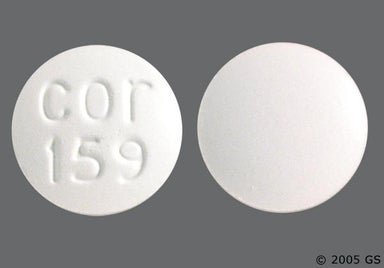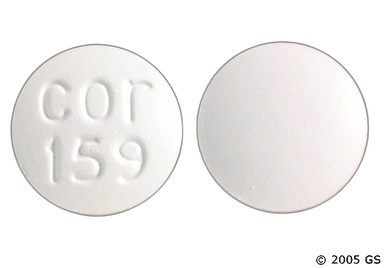
cilostazol
Cilostazol is a leg pain medication that helps adults with poor blood flow from a condition called intermittent claudication. It can help you walk longer distances with less pain or discomfort. Cilostazol belongs to a group of medications called PDE-3 inhibitors. It comes as a tablet that you take by mouth, usually twice a day on an empty stomach — at least 30 minutes before or 2 hours after breakfast and dinner. Common side effects include headache, diarrhea, and abnormal stools.


What is Cilostazol?
What is Cilostazol used for?
- Intermittent claudication (pain in legs when you walk or exercise)
How Cilostazol works
Cilostazol is a phosphodiesterase III (PDE-3) inhibitor. It works by blocking an enzyme (protein) called PDE-3. This helps keep platelets in your blood from sticking together, which improves blood flow. It also helps relax blood vessels in the legs, which can relieve pain and make it easier for you to move.
Drug facts
| Common Brands | Pletal |
|---|---|
| Drug Class | PDE-3 inhibitor |
| Controlled Substance Classification | Not a controlled medication |
| Generic Status | Lower-cost generic available |
| Availability | Prescription only |

Side effects of Cilostazol
The following side effects may get better over time as your body gets used to the medication. Let your healthcare provider know immediately if you continue to experience these symptoms or if they worsen over time.
Common Side Effects
- Headache (34%)
- Diarrhea (19%)
- Abnormal stools (15%)
- Heart palpitations (10%)
- Dizziness (10%)
- Sore throat (10%)
- Infection (10%)
Less Common Side Effects
- Swelling in your legs or feet
- Stuffy nose
- Indigestion
- Stomach pain
- Fast heartbeat
Cilostazol serious side effects
Contact your healthcare provider immediately if you experience any of the following.
- Heart problems: fast heartbeat, palpitations, irregular heartbeat, low blood pressure
- Serious allergic reactions: hives, swollen face or tongue, trouble breathing or wheezing, dizziness
The following Cilostazol side effects have also been reported
Along with its needed effects, a medicine may cause some unwanted effects. Although not all of these side effects may occur, if they do occur they may need medical attention.
Check with your doctor immediately if any of the following side effects occur:
Less common
Abnormal bleeding
bloody or black tarry stools
bruises or red spots on the skin
fainting
nausea, heartburn, or indigestion (severe or continuing)
nosebleeds
stiff neck
stomach pain, cramping, or burning (severe)
swelling of the tongue
vomiting of blood or material that looks like coffee grounds
Incidence not known
Bleeding gums
bleeding tendency
blistering, peeling, loosening of the skin
blood in the urine or stools
blurred vision
chills
clay-colored stools
confusion
cough or hoarseness
coughing up blood
dark urine
difficulty with breathing
drowsiness
fever with or without chills
general feeling of tiredness or weakness
headache, sudden and severe
inability to speak
itching of the eyes
itching of the skin
joint or muscle pain
light-colored stools
loss of appetite
loss of consciousness
lower back or side pain
painful or difficult urination
pinpoint red spots on the skin
red skin lesions, often with a purple center
red, irritated eyes
seizures
skin rash
slurred speech
sores, ulcers, or white spots on the lips or in the mouth
stomach pain
swollen glands
temporary blindness
unpleasant breath odor
unusual bleeding or bruising
unusual tiredness or weakness
weakness in the arm or leg on one side of the body, sudden and severe
weakness of part of the body
yellow eyes or skin
Get emergency help immediately if any of the following symptoms of overdose occur:
Symptoms of overdose
Dizziness or lightheadedness when getting up suddenly from a lying or sitting position
Some side effects may occur that usually do not need medical attention. These side effects may go away during treatment as your body adjusts to the medicine. Also, your health care professional may be able to tell you about ways to prevent or reduce some of these side effects. Check with your health care professional if any of the following side effects continue or are bothersome or if you have any questions about them:
More common
Back pain
dizziness
headache
increased cough
pain or stiffness in the muscles
pounding heartbeat
runny or stuffy nose
swelling of the arms or legs
Less common
Bone pain
burning feeling in the throat or chest
difficulty with swallowing
pain or stiffness in the joints
ringing or buzzing in the ears
swelling of the face, fingers, or lower legs
Incidence not known
Bruising
feeling of warmth
redness of the face, neck, arms and occasionally, upper chest
Other side effects not listed may also occur in some patients. If you notice any other effects, check with your healthcare professional.
Call your doctor for medical advice about side effects. You may report side effects to the FDA at 1-800-FDA-1088.

Get your GoodRx coupon

Pros and cons of Cilostazol
Pros
- Helps you walk further with less pain
- Comes as a tablet that's taken by mouth
- Available as a lower-cost generic
Cons
- Can take 2 to 4 weeks before symptoms start to improve
- Interacts with certain foods and medications
- Not safe for people with heart failure

Pharmacist tips for Cilostazol

- Take cilostazol on an empty stomach, so space it apart from your meals. You should take it at least 30 minutes before or 2 hours after you eat breakfast and dinner to help your body absorb the medication better.
- Don't eat or drink grapefruit products while taking cilostazol. Grapefruit can raise the amount of medication in your body and raise the risk of side effects.
- Some people start feeling better after 2 weeks of taking cilostazol, but it can take longer for others. If you don’t notice any improvement after 3 months, talk to your prescriber. You might need to try something else.
- Cilostazol can interact with several medications. Be sure to tell your prescriber and pharmacist about everything you're taking to help prevent serious problems.
- Tell your prescriber if you are pregnant, planning to get pregnant, or breastfeeding while taking cilostazol. There isn't enough research to say for sure if it’s safe. Your care team will help you decide what’s best.

Risks and warnings for Cilostazol
Cilostazol can cause some serious health issues. This risk may be even higher for certain groups. If this worries you, talk to your doctor or pharmacist about other options.
Not safe for people with heart failure
- Risk factors: History of heart failure
 You shouldn't take cilostazol if you have heart failure, even if it's mild. Similar medications that block PDE-3 have been shown to raise the risk of death in people with heart failure. Make sure to tell your prescriber about your medical history before starting cilostazol.
Fast heart rate
- Risk factors: History of heart problems
Cilostazol can cause your heart to beat faster or irregularly, and it can also lower your blood pressure. If you have a history of heart problems, you might be at higher risk for chest pain (angina) or a heart attack while taking this medication. Let your prescriber know right away if you feel chest pain, shortness of breath, or notice changes in your heartbeat.
Blockage in the heart's blood flow
- Risk factors: Having a certain heart shape
Some people with a certain heart shape (called a sigmoid-shaped interventricular septum) have developed a heart problem called left ventricular outflow tract obstruction while taking cilostazol. This means the path where blood leaves your heart can get too narrow, making it harder for your heart to pump blood to the rest of your body. Your prescriber might listen for a new heart murmur or check for other heart symptoms after you start taking cilostazol. Tell your care team if you feel chest pain, shortness of breath, or any other new symptoms while using this medication.
Changes in blood cell counts
Some people have had low platelet or white blood cell counts while taking cilostazol, which can make it harder for your body to fight off infections. Your prescriber might check your blood tests from time to time to make sure your platelets and white blood cells stay at healthy levels.
Bleeding problems
- Risk factors: Bleeding conditions
Cilostazol can raise your risk of bleeding because it makes it harder for your blood to clot. This can be dangerous if you already have a bleeding condition. Tell your care team about your medical history before starting this medication, and watch for signs of unusual bleeding like easy bruising, bleeding that’s hard to stop, red or dark urine, or coughing up blood.

Cilostazol dosage


Interactions between Cilostazol and other drugs
Although certain medicines should not be used together at all, in other cases two different medicines may be used together even if an interaction might occur. In these cases, your doctor may want to change the dose, or other precautions may be necessary. When you are taking this medicine, it is especially important that your healthcare professional know if you are taking any of the medicines listed below. The following interactions have been selected on the basis of their potential significance and are not necessarily all-inclusive.
Using this medicine with any of the following medicines is not recommended. Your doctor may decide not to treat you with this medication or change some of the other medicines you take.
- Defibrotide
Using this medicine with any of the following medicines is usually not recommended, but may be required in some cases. If both medicines are prescribed together, your doctor may change the dose or how often you use one or both of the medicines.
- Abametapir
- Abciximab
- Abiraterone Acetate
- Aceclofenac
- Acemetacin
- Alipogene Tiparvovec
- Alteplase, Recombinant
- Amiodarone
- Amtolmetin Guacil
- Anagrelide
- Apixaban
- Aprepitant
- Argatroban
- Aspirin
- Atazanavir
- Betrixaban
- Bivalirudin
- Boceprevir
- Bromfenac
- Bufexamac
- Caplacizumab-yhdp
- Celecoxib
- Ceritinib
- Choline Salicylate
- Ciprofloxacin
- Citalopram
- Clarithromycin
- Clonixin
- Clopidogrel
- Cobicistat
- Conivaptan
- Crizotinib
- Dabigatran Etexilate
- Danaparoid
- Delavirdine
- Desirudin
- Desvenlafaxine
- Dexibuprofen
- Dexketoprofen
- Diclofenac
- Diflunisal
- Diltiazem
- Dipyridamole
- Dipyrone
- Dronedarone
- Droxicam
- Duloxetine
- Edoxaban
- Eliglustat
- Eptifibatide
- Erythromycin
- Escitalopram
- Eslicarbazepine Acetate
- Esomeprazole
- Etodolac
- Etofenamate
- Etoricoxib
- Etravirine
- Felbinac
- Fenoprofen
- Fepradinol
- Feprazone
- Floctafenine
- Fluconazole
- Flufenamic Acid
- Fluoxetine
- Flurbiprofen
- Fluvoxamine
- Fondaparinux
- Fosaprepitant
- Fosnetupitant
- Ginkgo
- Heparin
- Ibrutinib
- Ibuprofen
- Idelalisib
- Imatinib
- Indinavir
- Indomethacin
- Inotersen
- Itraconazole
- Ketoconazole
- Ketoprofen
- Ketorolac
- Lansoprazole
- Lepirudin
- Letermovir
- Letrozole
- Levomilnacipran
- Lopinavir
- Lornoxicam
- Loxoprofen
- Lumiracoxib
- Meclofenamate
- Mefenamic Acid
- Meloxicam
- Miconazole
- Mifepristone
- Milnacipran
- Moclobemide
- Morniflumate
- Nabumetone
- Naproxen
- Nefazodone
- Nelfinavir
- Nepafenac
- Netupitant
- Niflumic Acid
- Nilotinib
- Nimesulide
- Nimesulide Beta Cyclodextrin
- Omeprazole
- Oxaprozin
- Oxcarbazepine
- Oxyphenbutazone
- Pantoprazole
- Parecoxib
- Paroxetine
- Phenindione
- Phenprocoumon
- Phenylbutazone
- Piketoprofen
- Piperaquine
- Piracetam
- Piroxicam
- Posaconazole
- Prasugrel
- Proglumetacin
- Propyphenazone
- Proquazone
- Protein C
- Rabeprazole
- Regorafenib
- Ritonavir
- Rivaroxaban
- Rofecoxib
- Salicylic Acid
- Salsalate
- Saquinavir
- Selumetinib
- Sertraline
- Sodium Salicylate
- Sulfinpyrazone
- Sulindac
- Telaprevir
- Telithromycin
- Tenoxicam
- Tiaprofenic Acid
- Ticagrelor
- Ticlopidine
- Tipranavir
- Tirofiban
- Tolfenamic Acid
- Tolmetin
- Trazodone
- Valdecoxib
- Venlafaxine
- Verapamil
- Vilazodone
- Voriconazole
- Vortioxetine
Using this medicine with any of the following medicines may cause an increased risk of certain side effects, but using both drugs may be the best treatment for you. If both medicines are prescribed together, your doctor may change the dose or how often you use one or both of the medicines.

How much does Cilostazol cost?
$24.00

Cilostazol contraindications
Contraindications are specific health conditions or situations in which a person should not take a medication due to safety concerns. If you have any of the following conditions or if any of the following apply to you, let your healthcare provider know because Cilostazol will not be safe for you to take.
- Heart failure

What are alternatives to Cilostazol?

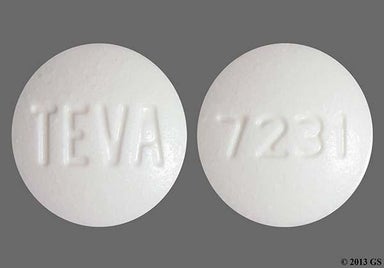
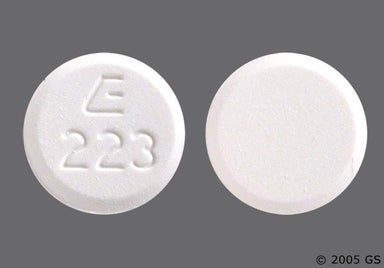
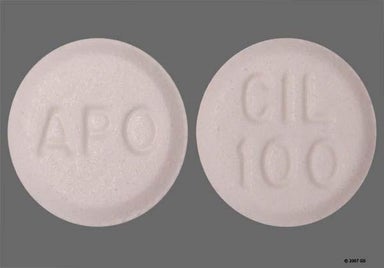
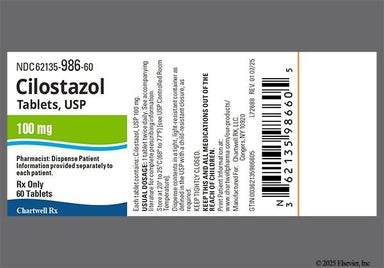
Cilostazol images