Key takeaways:
Temperatures above 85°F are too hot and below 32°F are too cold to keep your dog outside for long.
You can take precautions to keep your pooch safe, like checking hot pavement with the back of your hand or wiping snowy paws with a damp rag.
Extreme hot and cold weather can be dangerous to your dog. Dogs can develop hypothermia or heatstroke just like humans.
Outdoor temperatures affect pets just like they affect humans. And extremely hot or cold temperatures can make walks difficult for some dogs.
Here’s what you need to know about dog walks when the weather is blazing hot or bitterly cold, including best practices, signs of heatstroke, and signs of hypothermia.
What’s too hot for a dog walk?
Temperatures above 85° F can be dangerous for your animal. At that temperature, pavement and asphalt can register as high as 140° F. The heat can damage your pup’s paws.
Search and compare options
The length of time a dog can spend in temperatures above 85°F depends on the animal’s age, breed, health, and how acclimated they are to hot weather. But it really depends on your dog.
The hotter it is outside, the more difficult it will be for your dog to cool off adequately. In particular, flat-nosed (brachycephalic) dogs, such as pugs and boxers, have a harder time panting to cool down in hot weather.
What’s too cold for a dog walk?
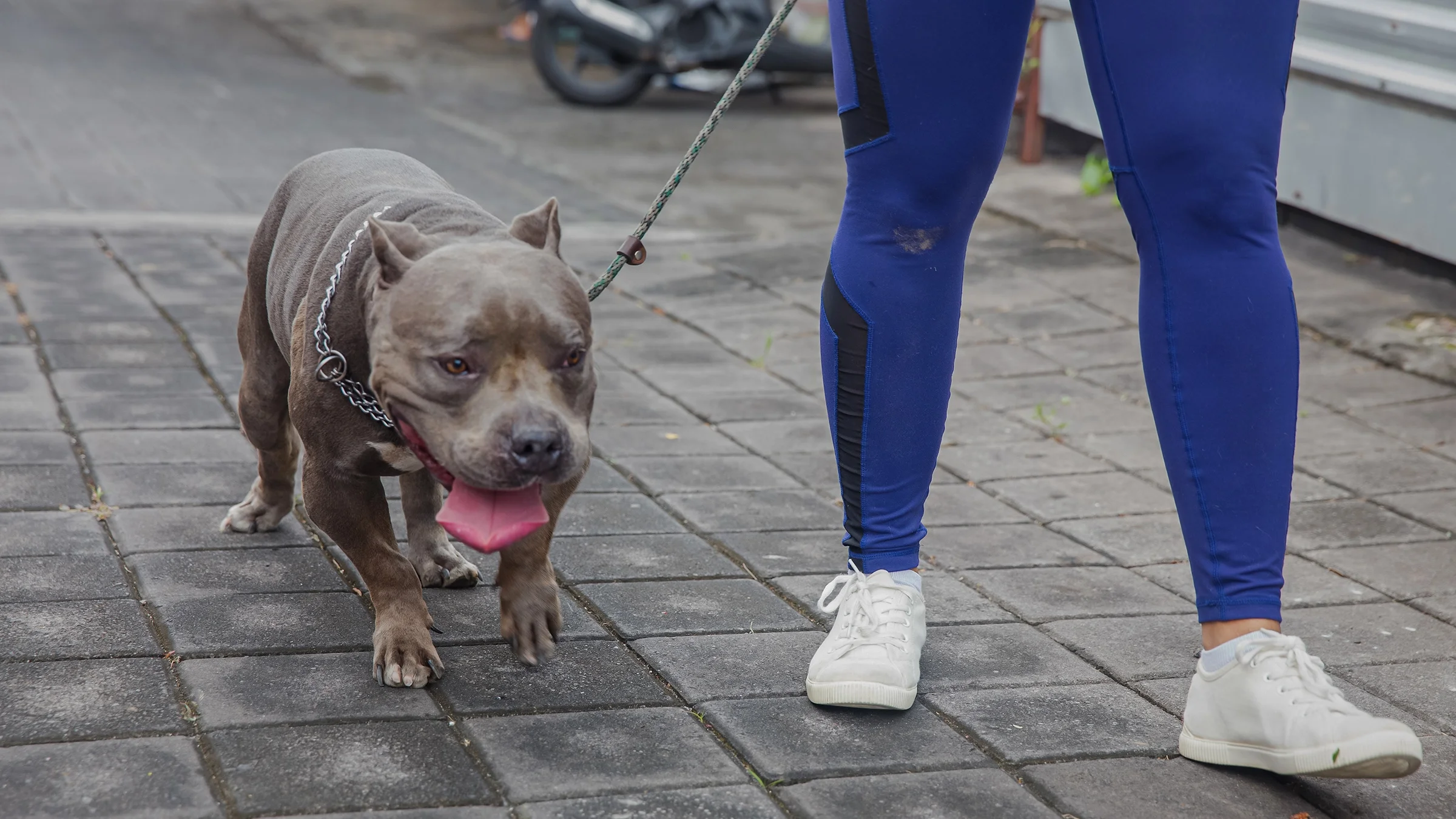
If temperatures drop below freezing (32° F), keep your walks under 10 to 15 minutes. Shorten your walks if your pup is very young, very old, or has chronic health conditions like arthritis.
Cold weather temperatures also impact dogs differently depending on their breed, fur type, and health status. For example, a healthy Siberian husky can withstand temperatures as cold as 32°F, while some short-haired pups can’t handle anything below 59°F.
Factors that impact how hot or cold your dog feels on walks
Your dog may feel hot or cold on walks due to the following factors:
Age
Breed
Fur type
Humidity levels
Acclimation to the weather
Medical conditions, such as heart disease
Injury
Pregnancy or nursing
Best practices for walking dogs in hot weather
Here are several ways you can keep your dog safe in hot weather:
Try to walk your dog early in the morning or later in the evening in the summer.
Touch the pavement with the back of your hand. If it’s too hot after 5 seconds, then it’s too hot for your dog.
Bring a water bottle and portable bowl with you. Give your dog water often.
Don’t let your dog stop and stand on hot pavement. Keep them moving.
Buy dog booties for hot weather.
Stick to shorter walks when the temperatures rise.
Give a dog with a longer coat a shorter haircut for the hotter months.
Signs of heatstroke in dogs
One of the risks of taking your pup outside when it’s hot is heatstroke. Heatstroke happens when your dog’s body temperature rises quickly and their ability to cool themselves fails.

Read more like this
Explore these related articles, suggested for readers like you.

Signs that your dog may have heatstroke include:
Elevated heart rate
Hypersalivation
Weakness
Dry gums
Nausea and vomiting
Fatigue
Disorientation
Collapse
Best practices for walking dogs in cold weather
You’ll want to take precautions when walking your dog in extremely cold weather. Here’s a list of things you can do:
Keep your dog on a leash. Snow and ice can disorient them if they run freely.
Wipe your pooch’s paws and belly with a damp rag when they come inside.
Don’t allow your dog to lick snow or ice that’s been treated with salt or chemicals like antifreeze. These can make your dog sick.
Shorten your walks, especially if your pet is older or has arthritis.
Check your dog’s paws often and look for cracked or bleeding pads.
Invest in several dog sweaters and change them each time you let your dog out. Don’t keep your dog in damp outerwear.
Look into getting your dog winter booties to protect their paws.
Is it OK if you don’t put your dog in a jacket for a walk in the cold?
Even though dogs are covered in fur, they can still get cold. Large dogs with thick, dense coats may not need extra protection. But small breeds, short-haired animals, and senior pups will better withstand cold temperatures with a sweater or jacket.
Signs of hypothermia in dogs
Hypothermia is an abnormally low body temperature that occurs when dogs are exposed to cold temperatures for a long period. Signs of hypothermia in a dog include:
Whining
Shivering
Slowing down or stopping
Weakness
Shallow breathing
Frequently asked questions
In general, temperatures between 45°F (for healthy dogs) or 50°F for elderly, young, sick, or injured dogs and 85°F are safe for dogs to sleep outside. But it’s best to check with a veterinarian. Your dog’s breed and fur type play a big role in their ability to tolerate hot or cold temperatures for long periods of time.
Tips for cooling a dog after a hot walk include:
Providing cool drinking water
Bringing them indoors
Applying cool towels
Spraying them with cool water
Filling a kiddie pool with cool water
Yes, a dog’s paws can get frostbite. Symptoms of frostbite include:
Changes in paw pad colors to pale or gray
Pain
Swelling
Blisters
Limping
Call a vet right away if you suspect your dog has frostbite.
In general, temperatures between 45°F (for healthy dogs) or 50°F for elderly, young, sick, or injured dogs and 85°F are safe for dogs to sleep outside. But it’s best to check with a veterinarian. Your dog’s breed and fur type play a big role in their ability to tolerate hot or cold temperatures for long periods of time.
Tips for cooling a dog after a hot walk include:
Providing cool drinking water
Bringing them indoors
Applying cool towels
Spraying them with cool water
Filling a kiddie pool with cool water
Yes, a dog’s paws can get frostbite. Symptoms of frostbite include:
Changes in paw pad colors to pale or gray
Pain
Swelling
Blisters
Limping
Call a vet right away if you suspect your dog has frostbite.
The bottom line
Hot and cold weather may be harmful to your pet. But there are several things you can do to safely walk your dog during extreme temperatures. Shorter walks and hot-weather or cold-weather booties can safeguard your pet. Older dogs and short-haired breeds may need a sweater or jacket when the weather gets chilly or drops below freezing.
Remember, if it’s too hot or too cold for you, it’s probably too hot or too cold for your pet. Take precautions to protect them from harmful weather.

Why trust our experts?




References
American Veterinary Medical Association. (n.d.). Cold weather animal safety.
Animal and Plant Health Inspection Service. (2022). Temperature requirements for dogs. U.S. Department of Agriculture.
Austin Animal Center. (n.d.). Weather safety for pets.
California Department of Public Health. (2024). Protecting your pet during hot weather.
Charlotte-Mecklenburg Police Department. (n.d.). Hot weather safety tips.
Cook County Government. (2022). Cook County animal and rabies control issues safety tips for pets during excessive heat warning.
Driscoll, J. (n.d.). Hot weather and your dog: Do you know the signs of heat stroke? Pet Poison Helpline.
Guide Dogs. (n.d.). How to keep your dog safe in cold weather.
Jordan, M., et al. (2016). Temperature requirements for dogs. Purdue Extension.
Knox, P. (2022). How hot does pavement get in summer? University of Georgia Extension.
Orange County NC Animal Services. (n.d.). Animal safety in cold weather.
Prince Georges County Maryland. (n.d.). Cold weather and your pet.
Romanucci, M., et al. (2013). Pathophysiology and pathological findings of heatstroke in dogs. Veterinary Medicine.
Texas A&M University Veterinary Medicine & Biomedical Sciences. (2012). Dashing through the snow: Signs of hypothermia.