Key takeaways:
Cat seizures can look scary. But your cat is typically not in pain when they have a seizure.
Seizures can last anywhere from seconds to a few minutes. And it may take your cat time to regroup afterward.
Treatment will be based on your cat’s underlying health conditions and the frequency of seizures.
Similar to dogs and humans, cats can experience seizures. Seizures are one of the most frequent neurological issues in cats. In fact, seizures affect up to 2% of all cats.
Seizures are caused by a sudden surge in electrical activity in the brain. This leads to uncontrollable muscle activity in the form of twitching, shaking, and spasms. Seizures typically last from a few seconds to several minutes.
A seizure can happen as a single event or a cluster of episodes or on a recurring basis. There are several causes. And treatment is often lifelong if seizures occur regularly.
Search and compare options
Keep reading to find out the signs of seizures and how to treat a cat with this condition.
What can cause seizures in a cat?
Several factors can trigger a seizure in a cat. According to Jay Rowan, VMD, the chief veterinarian and owner of Paoli Vetcare in Pennsylvania, causes of cat seizures include:
Head trauma, like an injury due to a fall or being hit by a car
Exposure to toxic substances or poisons, including human medications
Brain tumors
Brain or spinal cord inflammation
Metabolic diseases like heart disease and diabetes
Epilepsy
In rare cases, infectious diseases can cause seizures. These conditions include:
Feline leukemia
What is feline epilepsy?
Feline epilepsy occurs when cats experience repeated seizures over time. The seizures could happen randomly or have a pattern, such as happening once a month.

Read more like this
Explore these related articles, suggested for readers like you.



Treatment for epilepsy in cats depends on the cause. If your veterinarian determines an underlying condition is triggering your cat’s seizures, they will address that concern. But cats who have seizures without a known cause will likely need to take medication to control their seizures over the long term.
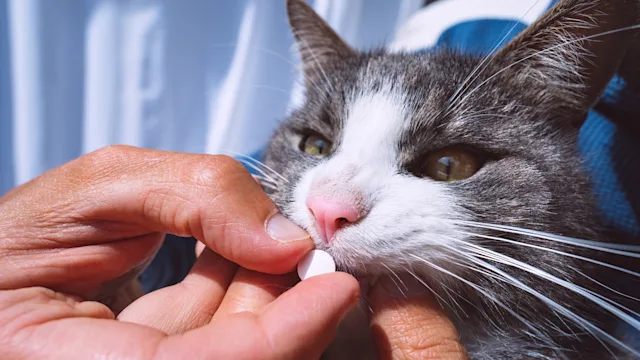
Common medication options for epilepsy in cats include:
Zonisamide
Diazepam
Will pet insurance cover seizures? Find out what pet insurance typically covers, including your cat’s treatment for a seizure.
What to do about poisons: None of us wants to think about our beloved cat getting into something toxic. But in case they do, have these pet poison helpline phone numbers bookmarked.
Is your cat in pain? Cats are good at hiding when they’re hurt, so check out these telltale signs your cat may be in pain.
What does a cat seizure look like?
Cat seizures look different depending on the type of seizure they have. There are two types of cat seizures: focal and generalized.
Focal seizures
A focal seizure — also known as a partial seizure — occurs when a small part of the brain experiences excessive electrical activity. As a result, an isolated part of your cat’s body reacts in an exaggerated manner.
Focal cat seizure symptoms include:
Twitching of eyelids or side of the face
Excessive drooling
Loud vocalizations
Disorientation
Abnormal head or neck movements
Random or aggressive behavior
Generalized seizures
During a generalized seizure, the entire body is affected. Generalized seizures consist of three phases. The preictal phase — also known as the aura phase — happens right before the onset of a seizure. At this point you might notice your cat:
Appears nervous
Shakes
Whines
Seeks out humans
Hides
In the ictal phase, which is the seizure itself, cats may:
Fall over onto their side
Lose consciousness
Shake uncontrollably with legs flailing in a paddling motion
Have the head drawn backward
Make loud yowls as their throat muscles contract
Involuntarily empty bladder and bowels
This phase can last a few seconds to minutes. Despite how scary it may seem, keep in mind that cats aren’t likely distressed during a seizure. They’re typically unconscious.
The postictal or postseizure phase usually occurs for several minutes to a few hours. After a seizure, your cat may experience:
Confusion
Disorientation
Pacing
Temporary blindness in some cases
What to do when your cat is having a seizure
If your cat is having a seizure, stay calm. Do not touch your cat unless they are in harm’s way.
Becky Krull, DVM, a veterinarian and the owner of Buddy’s Vets in Green Bay, Wisconsin, recommended keeping your cat safe by putting pillows around them. Make sure they are not by stairs or anyplace where they can fall.
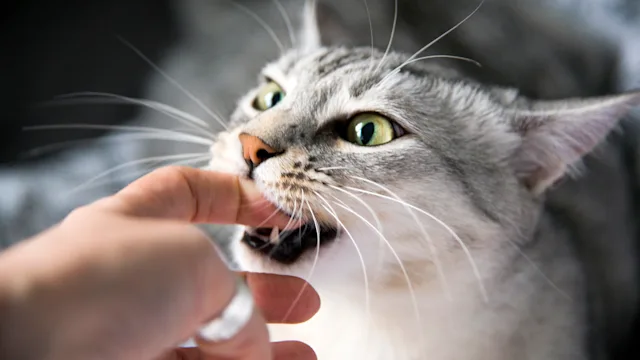
“Do not pick up the cat or place your face [or] fingers near its mouth,” she said. “Seizing animals can and will bite because they don’t know what is going on.”
If you can, take a video of the seizure to show your veterinarian. If your cat’s seizure lasts longer than 5 minutes, immediately take them to the emergency veterinarian.
What should you do after your cat has a seizure?
Regardless of how long a cat seizure lasts or how severe it is, call your veterinarian and schedule an appointment. Additionally, Krull recommended monitoring your cat after a seizure. They may have a postseizure recovery time or experience more seizures.
To better understand your cat’s condition, Rowan suggested taking notes about the seizure. Continue to add to the log as your cat recovers and if your cat has additional seizures. Log information such as:
When the seizure happened
How long it lasted
What happened (your cat’s symptoms)
Any behaviors the feline had before and after
Cats usually have a good prognosis and recover after a seizure. But you’ll want to identify the underlying causes of the seizure and determine if your cat needs treatment.
How are cat seizures diagnosed?
At the animal clinic, your veterinarian will conduct an examination and take blood tests. This can help them rule out disorders that cause seizures related to the liver, kidneys, and blood sugar levels.
If these tests come back normal, further testing may be done to identify the cause, especially if your cat’s seizures are severe or frequent. These tests are usually performed at a specialty animal hospital and may include:
Spinal fluid tap and fluid analysis
CT scan
MRI
Pet parents can assist with the diagnosis by investigating if your cat was exposed to any toxic substances. Be sure to tell your vet if your cat had a recent trauma or illness or showed any behavioral changes before the seizure.
What can you do for your cat to treat and prevent future seizures?
A single seizure may not need treatment. But if the convulsions lasted more than 5 minutes, or if your cat has several seizures over a short period of time, treatment might be necessary. Seizures can often be managed with medication.
If your cat’s seizures are the result of a brain disease, Rowan recommended anti-seizure medication. This can decrease the frequency and severity of seizures. Phenobarbital is a commonly prescribed medication for seizures. For felines experiencing convulsions frequently, anti-seizure medication is continued lifelong.
Other causes of seizures may need different treatments. “Steroids can also help when brain tumors are suspected. Surgical removal of a brain tumor, when possible, can [cure the seizures],” Rowan said.
If your cat’s seizure is caused by a metabolic issue — like low blood sugar or liver disease — management of the condition can lessen the seizures. If toxic substances are the cause, make sure to remove poisons from your cat’s reach.
The bottom line
Cat seizures seem scary, but most cats recover well afterward. If your cat has a seizure, stay calm and don’t touch your cat during the episode unless they’re in harm’s way. Keep a close eye on them, and make an appointment with your veterinarian. Your vet will address any underlying conditions causing your cat’s seizures and may recommend treatment. Vets may prescribe anti-seizure medication to slow the frequency and severity of your cat’s seizures.

Why trust our experts?




References
ASPCApro. (n.d.). Most common causes of toxin seizures in cats. American Society for the Prevention of Cruelty to Animals.
Brooks, W. (2021). Phenobarbital. Veterinary Partner.
Cruz-Rincon, S. (2020). Seizure disorders in cats. Veterinary Partner.
Moore, S. (2014). Seizures and epilepsy in cats. Veterinary Medicine.
Pakozdy, A., et al. (2014). Epilepsy in cats: Theory and practice. Journal of Veterinary Internal Medicine.
Parent, J. (2010). Work-up, therapy and complications of seizures in cats. World Small Animal Veterinary Association World Congress Proceedings.
Weir, M., et al. (n.d.). Seizures and epilepsy in cats. VCA Animal Hospitals.