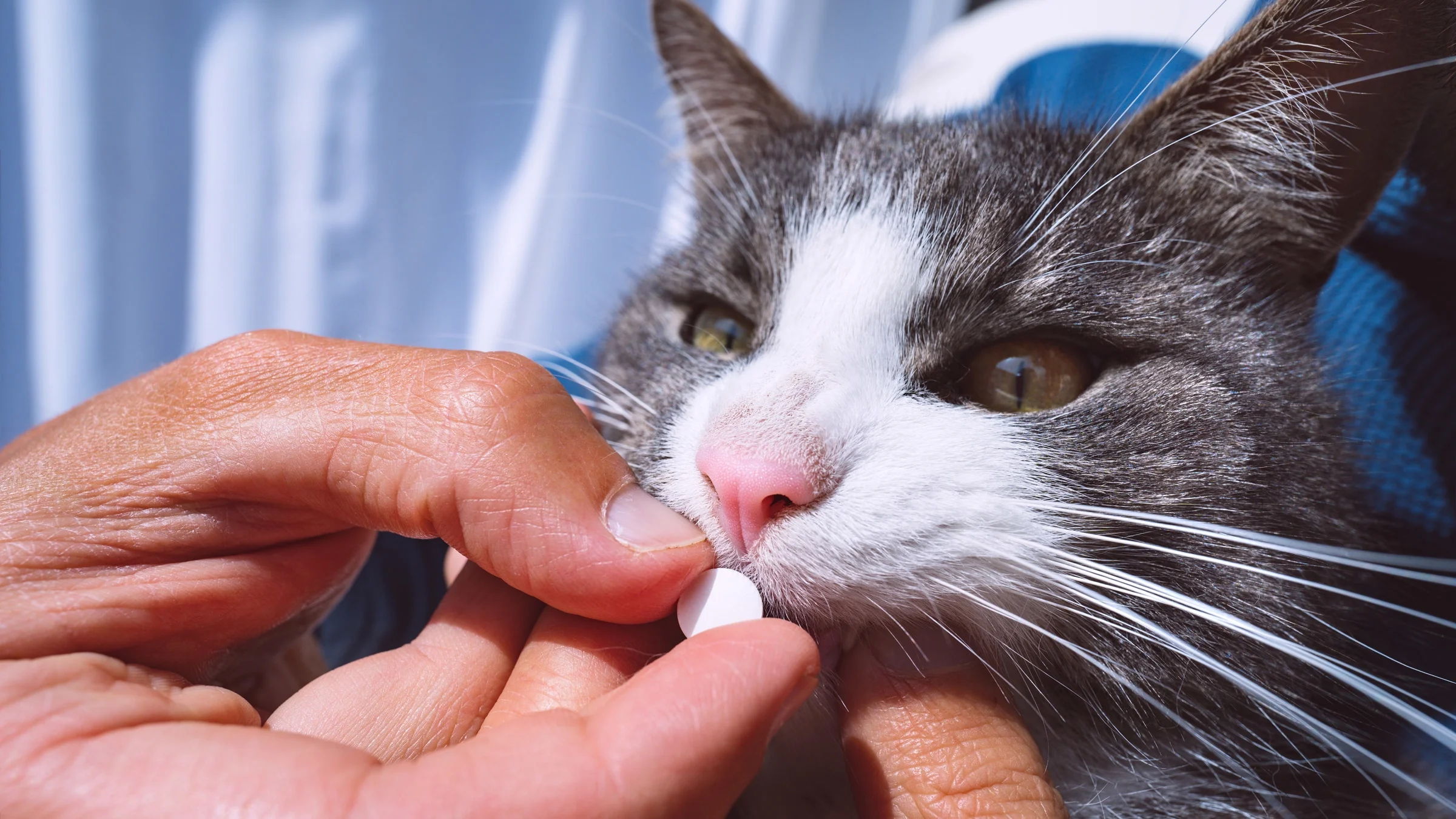
Key takeaways:
Metronidazole (Flagyl) is an antibiotic that veterinarians prescribe to treat diarrhea or inflammatory bowel disease (IBD) in cats.
Diarrhea is the most common side effect of metronidazole, even though the medication can also be prescribed to treat diarrhea.
Metronidazole can cause serious side effects when used for long periods of time, including behavior changes and seizures.
Save on related medications
When a cat has diarrhea, it’s a sign that something’s not right. Most cases of diarrhea involve infections or intestinal worms that cause inflammation (swelling) of the digestive tract.
Antibiotics can treat your cat when an infection is causing these tummy troubles. Metronidazole (Flagyl) is a common antibiotic used for cats with diarrhea and other digestive problems.
Here, we’ll discuss what to expect when your cat takes metronidazole and if other medications can treat your cat’s condition.
Search and compare options
Metronidazole for cats at a glance
Common names | Metronidazole (Flagyl) |
What it treats | Bacterial infections |
How it comes (forms) | Tablet, capsule, oral liquid, injectable |
Dosage | Based on your cat’s weight |
Common side effects | Diarrhea, drooling, gagging, vomiting, lower appetite |
Average cost |
What is metronidazole used for in cats?
Metronidazole is an antibiotic that prevents bacteria from growing and reproducing. It may be prescribed if your cat has diarrhea or inflammatory bowel disease (IBD). Metronidazole is not FDA-approved for use in animals and is used off-label for cats.
How is metronidazole given to cats?
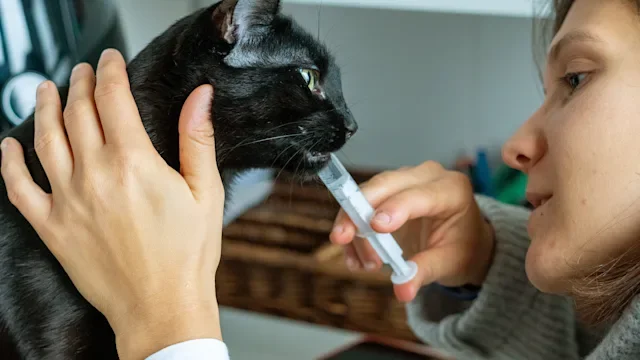
Metronidazole is available as an oral tablet and capsule. But cats often have an easier time tolerating a liquid version. Your veterinarian may send you to a compounding pharmacy, which is able to make this suspension.
Most veterinarians recommend giving metronidazole with food.
Your vet’s office may also have an injectable form of metronidazole. But this is typically only used if your pet is too sick to take medications by mouth.
After the first dose, it takes 1 to 2 hours for your cat’s body to absorb the medication. Your cat’s diarrhea should start to get better in a few days.
Make sure your cat finishes the entire course of metronidazole ordered by the vet, even if their diarrhea has cleared up. Their symptoms could return and be harder to treat if your cat doesn’t finish all of the medication.
What is the dosage of metronidazole for cats?
The dosage of metronidazole is based on how much your cat weighs. A typical dosage for most cases of diarrhea is 7.5 mg to 10 mg per kilogram of body weight twice daily. If your vet suspects a Giardia infection, the metronidazole dosage may be between 10 mg and 25 mg per kilogram of body weight twice daily for 5 days.
Although these are typical metronidazole doses, your cat’s veterinarian may prescribe something different. This depends on how your cat responds to the medication.
What are the side effects of metronidazole in cats?
Metronidazole can cause some side effects in cats. Since metronidazole is an antibiotic, it can lower the amount of healthy bacteria in your cat’s gut. This can cause more diarrhea for your cat.

Read more like this
Explore these related articles, suggested for readers like you.



Other common side effects of metronidazole include:
Drooling, due to the medication’s bitter taste
Pawing at their mouth, due to the taste
Gagging
Nausea
Very rarely, cats taking metronidazole will develop a serious skin condition that causes swelling in the skin’s blood vessels (cutaneous vasculitis). While this condition is not life-threatening, a veterinarian should treat it as soon as possible.
Contact your cat’s veterinarian right away if you notice any of the following symptoms of this complication:
Scaling of the skin
Hair loss
Unexplainable bruises
Swelling
Bumps on the skin
What are the most serious risks of metronidazole for cats?
Metronidazole has certain risks and serious side effects to be aware of for your cat. Seek emergency veterinary care as soon as possible if you notice any of the following signs:
Signs of an allergic reaction, including hives, fast heart rate, or trouble breathing
Behavior changes, such as seeming more depressed or tired than usual
Trouble walking
Tremors
Enlarged pupils or rapid eye movements
Twitching or seizures
These side effects may not appear for a few days after your cat starts taking metronidazole. So be sure to watch for them the entire time your cat is taking the medication.
Thankfully, these side effects usually go away once the medication is stopped. But it may take up to 2 weeks for nerve-related side effects (tremors, trouble walking) to completely resolve after your cat stops taking metronidazole.
These complications can happen with any dosage of metronidazole. But they are more likely to occur if your cat takes high doses of metronidazole over a long period of time.
Metronidazole should be used carefully in cats with seizures and kidney or liver issues. Cats with these conditions may be more likely to have serious side effects.
Does metronidazole interact with other medications?
A variety of medications can interact with metronidazole, including:
Cimetidine (Tagamet)
Cyclosporine (Atopica)
Phenytoin (Dilantin)
Warfarin (Coumadin)
These are not the only medications that interfere with metronidazole. Be sure to ask your cat’s vet if there are any other potential interactions before starting your cat on this medication.
Share a list with the vet of all medications, over-the-counter (OTC) products, and supplements you give your cat before starting them on metronidazole. This way, the vet can check for any medication interactions.
Are there any alternatives to metronidazole for diarrhea in cats?
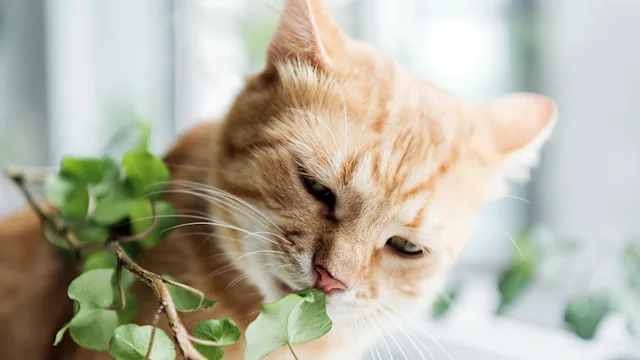
Since treating diarrhea depends on what’s causing it, there are many choices to treat diarrhea in cats. Poisonous plants, bad food, infections, IBD, and intestinal tumors are all possible causes of diarrhea in cats.
If your cat was recently on another antibiotic, their diarrhea could also be a leftover side effect from the previous medication.
Medications that might be used to treat diarrhea in cats include:
Fenbendazole (Panacur C) for Giardia infections — either on its own or in combination with metronidazole
Tylosin for IBD
Sulfasalazine for IBD
Steroids such as prednisolone for IBD
To be on the safe side, it’s best not to use OTC medications unless your cat’s veterinarian has given you specific instructions and dosages. Avoid Pepto-Bismol because it’s related to aspirin, which can be toxic to cats. Also, avoid any product with acetaminophen (Tylenol) in it, which is also dangerous for cats.
Are medications always necessary to treat diarrhea in cats?
No, that’s why it’s important to identify the cause of diarrhea. A change in diet, new food intolerance, or a stressful situation can also cause diarrhea. Often in these cases, diarrhea should resolve in a few days. Offer your cat plenty of water while they have diarrhea to prevent dehydration.
Diet changes can help manage symptoms in cats who have long-term diarrhea. A bland diet, with boiled rice or pasta and chicken, is a common recommendation. Your veterinarian may also prescribe a specially formulated diet to balance your cat’s dietary fiber. They may also recommend probiotics to support your cat’s gut health.
Frequently asked questions
Yes, you can mix metronidazole with wet cat food. In fact, it’s usually best to give your cat metronidazole with food.
Metronidazole can be used to treat Giardia, which is an intestinal parasite. It’s also used to treat diarrhea caused by bacterial infections and IBD in cats.
Ask the veterinarian for the best diet for your cat if they have diarrhea. Your vet may recommend a bland diet, often with plain cooked chicken and boiled rice. There are also special diets that can help balance your cat’s fiber, which may also help with their diarrhea.
Yes, you can mix metronidazole with wet cat food. In fact, it’s usually best to give your cat metronidazole with food.
Metronidazole can be used to treat Giardia, which is an intestinal parasite. It’s also used to treat diarrhea caused by bacterial infections and IBD in cats.
Ask the veterinarian for the best diet for your cat if they have diarrhea. Your vet may recommend a bland diet, often with plain cooked chicken and boiled rice. There are also special diets that can help balance your cat’s fiber, which may also help with their diarrhea.
The bottom line
Diarrhea has many causes, and the antibiotic metronidazole (Flagyl) works to treat many types of cases of loose stools in cats. Metronidazole can cause side effects, such as drooling, vomiting, and loss of appetite. But most side effects typically go away within a few days of stopping the medication.
Ensure that your cat is taking metronidazole as prescribed and finishes the entire course to help prevent the infection from returning. Be sure to follow your veterinarian’s advice on how to best treat your cat’s diarrhea. Follow up with them if your furry friend still seems sick after finishing their prescription.

Why trust our experts?




References
Brooks, W. (2025). Metronidazole (Flagyl). Veterinary Partner.
Burrows, C. F. (2003). Diagnosis and management of refractory diarrhea. World Small Animal Veterinary Association World Congress Proceedings, 2003.
Collier, A. (2025). Colitis in small animals. Merck Veterinary Manual.
Cornell Feline Health Center. (2018). Inflammatory bowel disease. Cornell University College of Veterinary Medicine.
Gaschen, F. (2016). Probiotics and their role in canine and feline gastroenterology. World Small Animal Veterinary Association Congress Proceedings, 2016.
Innerå, M. (2012). Cutaneous vasculitis in small animals. Veterinary Clinics of North America: Small Animal Practice.
Johnston, K. L., et al. (2000). Effects of oral administration of metronidazole on small intestinal bacteria and nutrients of cats. American Veterinary Medical Association.
Marks, S. L. (2013). Roadmap to diagnosing and managing the cat with chronic diarrhea. World Small Animal Veterinary Association World Congress Proceedings, 2013.
Mercer, M. A. (2022). Nitroimidazoles use in animals. Merck Veterinary Manual.
Pet Poison Helpline. (n.d.). Acetaminophen.
Pet Poison Helpline. (n.d.). Cats and aspirin.
Robertson, L. J. (2021). Giardiasis in animals. Merck Veterinary Manual.
Twedt, D. C. (2014). Feline colitis. World Small Animal Veterinary Association World Congress Proceedings, 2014.
Veterinary Information Network. (2022). Metronidazole.