Orgovyx
Orgovyx (relugolix) is used to treat advanced prostate cancer. It’s a hormonal therapy called a luteinizing hormone-releasing hormone (LHRH) antagonists that works by lowering the amount of testosterone in your body. Orgovyx (relugolix) is convenient because it’s a tablet that you take by mouth once daily. But it can cause hot flashes as a side effect, which can be bothersome.


What is Orgovyx (relugolix)?
What is Orgovyx (relugolix) used for?
- Advanced prostate cancer
How Orgovyx (relugolix) works
Orgovyx (relugolix) is a LHRH antagonist. It blocks a natural hormone in your brain called LHRH that typically releases testosterone. When LHRH is lower, this lowers the amount of testosterone in your body.
Testosterone causes most prostate cancer cells to grow. So, when Orgovyx (relugolix) causes less testosterone in your body, prostate cancer cells can’t grow or spread as well.
Drug facts
| Common Brands | Orgovyx |
|---|---|
| Drug Class | Luteinizing hormone-releasing hormone (LHRH) antagonist |
| Controlled Substance Classification | Not a controlled medication |
| Generic Status | No lower-cost generic available |
| Availability | Prescription only |

Side effects of Orgovyx (relugolix)
The following side effects may get better over time as your body gets used to the medication. Let your healthcare provider know immediately if you continue to experience these symptoms or if they worsen over time.
Common Side Effects
- Hot flash (54%)
- High blood sugar (44%)
- High triglycerides (35%)
- Pain in muscles, joints or bones (30%)
- Low red blood cell count (28%)
- Tiredness (26%)
- High liver enzymes (18-27%)
- Diarrhea (12%)
- Constipation (12%)
Less Common Side Effects
- Weight gain
- Trouble sleeping
- Lower sex drive
- Development of breasts (gynecomastia)
- Sweating more
- Depression
Orgovyx (relugolix) serious side effects
Contact your healthcare provider immediately if you experience any of the following.
- Stroke: sudden weakness on one side of your body, drooping face, headache, changes in your speech or vision, confusion
- Heart attack: chest pain, arm pain, shortness of breath, cold sweat
The following Orgovyx (relugolix) side effects have also been reported
Side effects that you should report to your care team as soon as possible:
- Allergic reactions—skin rash, itching, hives, swelling of the face, lips, tongue, or throat
- Heart rhythm changes—fast or irregular heartbeat, dizziness, feeling faint or lightheaded, chest pain, trouble breathing
Side effects that usually do not require medical attention (report these to your care team if they continue or are bothersome):
- Change in sex drive or performance
- Constipation
- Diarrhea
- Hot flashes
- Joint pain
- Muscle pain

Pros and cons of Orgovyx (relugolix)
Pros
- Oral pill, so it doesn’t require an injection
- Taken once a day
- Doesn't cause testosterone flares (so no risk for related symptoms, such as bone pain)
Cons
- Brand-name medication only
- Can raise blood sugar levels
- Can make you feel very tired

Pharmacist tips for Orgovyx (relugolix)

- You can take Orgovyx (relugolix) with or without food. Take the medication at the same time each day. Swallow the tablet whole. Don’t chew, crush, or split the tablet.
- If you miss a dose of Orgovyx (relugolix), take it as soon as you remember. But if it’s been more than 12 hours since the time you normally take your dose, skip that dose. Take your next dose at your normally scheduled time. Don’t take two doses at once.
- Let your oncologist know if you miss your Orgovyx (relugolix) doses multiple days in row so they're aware and can give you advice for any next-steps. If you miss more than 7 days in a row, you'll need to restart your treatment by taking the one-time loading dose first.
- Certain medications, like erythromycin or rifampin (Rifadin), can interact with Orgovyx (relugolix). When these medications are taken with Orgovyx (relugolix), it can change the levels of Orgovyx (relugolix) in your body. This can affect how well Orgovyx (relugolix) works to treat your cancer or raise your risk of side effects. Tell your oncologist and pharmacist about all the medications you take, including supplements and over-the-counter medications.
- Orgovyx (relugolix) can raise the levels of blood sugar and fat (triglycerides) in your body. Because you might not experience any symptoms from these side effects, your oncologist might order blood tests to monitor your blood sugar and fat levels.
- It’s possible for Orgovyx (relugolix) to cause birth defects or pregnancy in your female partners. If your partner is able to become pregnant, make sure to use birth control, such as condoms or birth control pills, while you’re taking and for 2 weeks after your last dose of Orgovyx (relugolix). Talk with your oncologist if you have questions about birth control options for you and your partner.
- Ask your care team about the best way to handle and dispose of Orgovyx (relugolix). Anticancer medications can be very harmful to people who handle or come into contact with them, so you need to get rid of them safely.

Risks and warnings for Orgovyx (relugolix)
Orgovyx (relugolix) can cause some serious health issues. This risk may be even higher for certain groups. If this worries you, talk to your doctor or pharmacist about other options.
Changes in heart rhythm
- Risk factors: Long QT syndrome | Heart failure | Low electrolyte levels
Taking Orgovyx (relugolix) can cause changes in your heart rhythm (long QT syndrome), which can cause your heart to not beat like it should. Your oncologist might monitor your blood levels of certain electrolytes that affect your heart, such as potassium. They might also perform an electrocardiogram (ECG) to check your heart rhythms. Let your oncologist know if you experience dizziness, fainting, chest pain, or a fast heartbeat. These can be symptoms of a change in your heart rhythm.
Harm to unborn baby
Orgovyx (relugolix) hasn’t been well studied in human pregnancies, but animal studies show that it can harm in unborn babies and raise the risk for miscarriage (pregnancy loss). Because of these risks, if you have a female partner who’s able to become pregnant, please discuss with them about possible birth control options while you’re taking Orgovyx (relugolix) and for at least 2 weeks after your last dose. Your partner should tell their healthcare team right away if they become pregnant during this time so that their team can check on their health and the health of their baby.

Orgovyx (relugolix) dosage
Typical dosage for Orgovyx (relugolix)
The typical starting dose is 360 mg by mouth as a one-time loading dose on the first day of treatment. After that, the typical maintenance dose is 120 mg by mouth once daily.
Your dose might be different if you take certain medications that might interact with Orgovyx (relugolix).

What are alternatives to Orgovyx (relugolix)?

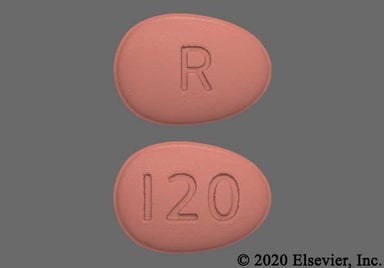
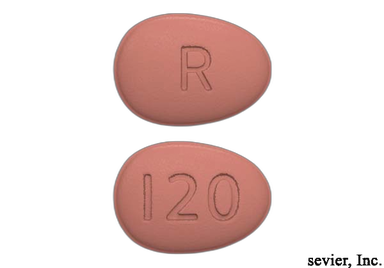
Orgovyx (relugolix) images