


How Long Does It Take for Allergy Medicine to Work, and Should You Take It Every Day?
How long does it take for allergy medicine to work? See how often you should take your allergy medication and find out exactly how long it takes to work.
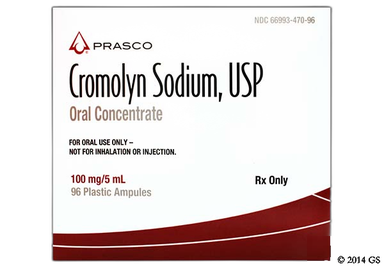
Cromolyn eye drop is an ophthalmic drop that helps relieve long-term allergy symptoms related to the eye, such as eye itchiness, watery eyes, and eye redness. It belongs to a drug class called mast cell stabilizers. Cromolyn eye drop is for people over 4 years of age. The usual dosage is 1 or 2 drops in each eye 4 to 6 times a day. It typically takes a few days to a few weeks for symptom relief. The most common side effects are burning or stinging when you apply the eye drops.

Cromolyn eye drop is a mast cell stabilizer. It works by making mast cells, a part of your immune system, less likely to release histamine. Histamine is a chemical in the body that causes allergic symptoms like itchy and red eyes.
By making the mast cells in the eye less likely to release histamine, cromolyn eye drop helps treat allergy symptoms in the eye.
| Common Brands | Crolom |
|---|---|
| Drug Class | Mast cell stabilizer |
| Controlled Substance Classification | Not a controlled medication |
| Generic Status | Lower-cost generic available |
| Availability | Prescription only |

The following side effects may get better over time as your body gets used to the medication. Let your healthcare provider know immediately if you continue to experience these symptoms or if they worsen over time.
Contact your healthcare provider immediately if you experience any of the following.
Along with its needed effects, a medicine may cause some unwanted effects. Although not all of these side effects may occur, if they do occur they may need medical attention.
Check with your doctor immediately if any of the following side effects occur:
Check with your doctor as soon as possible if any of the following side effects occur:
Less common
Skin rash
Some side effects may occur that usually do not need medical attention. These side effects may go away during treatment as your body adjusts to the medicine. Also, your health care professional may be able to tell you about ways to prevent or reduce some of these side effects. Check with your health care professional if any of the following side effects continue or are bothersome or if you have any questions about them:
Less common
Abdominal pain
irritability
trouble in sleeping
Note: If the above side effects occur in patients with mastocytosis, they are usually only temporary and could be symptoms of the disease.
Other side effects not listed may also occur in some patients. If you notice any other effects, check with your healthcare professional.
Call your doctor for medical advice about side effects. You may report side effects to the FDA at 1-800-FDA-1088.




Cromolyn eye drop can cause some serious health issues. This risk may be even higher for certain groups. If this worries you, talk to your doctor or pharmacist about other options.
Cromolyn eye drop contains a preservative called benzalkonium chloride. This preservative can be absorbed by soft contact lenses and cause damage to them. It's best not to wear soft contact lenses while you're using the cromolyn eye drop. Speak with your prescriber or eye care specialist about when it's safe to start wearing contacts again.

 Eye dropper
| Dosage | Quantity | Price as low as | Price per unit |
|---|---|---|---|
| 10ml of 4% | 1 eye dropper | $16.82 | $16.82 |

Although certain medicines should not be used together at all, in other cases two different medicines may be used together even if an interaction might occur. In these cases, your doctor may want to change the dose, or other precautions may be necessary. Tell your healthcare professional if you are taking any other prescription or nonprescription (over-the-counter [OTC]) medicine.



Prescription savings
Stop paying too much for your prescriptions. Compare prices, get pharmacy coupons, and save up to 80%.Resources
About GoodRx
 Find expert answers to your health questions so you can make the best decisions for yourself and your family.
Health conditions
Medications & treatment
Access & affordability
Well-being
Medication discounts

No, Cromolyn isn't a steroid. Instead, it's a mast cell stabilizer. Both steroid eye drops and Cromolyns can help relieve eye allergy symptoms like redness and itching, but they work differently. Steroid eye drops are typically reserved for more severe symptoms. Your prescriber might recommend using Cromolyn together with a steroid eye drop if your symptoms are severe.
Cromolyn isn't known to cause weight gain. Cromolyn works in your eyes to treat allergy symptoms there. Most of the medication from the eye drop isn't absorbed into your body. Speak to your primary care provider if you have concerns about your weight.
Cromolyn can start working to lessen eye itchiness, wateriness, and redness from allergies within a few days. But it can take up to 6 weeks after you start using it to see the full benefits of the medication. It's important to use the medication regularly every day for it to work the best for you. Ask a healthcare professional if you're looking for options for faster symptom relief as you wait for the Cromolyn to start working. And contact your prescriber if you aren't noticing your symptoms getting better after a few days of using the Cromolyn.
No, the Cromolyn isn't available over the counter (OTC). You might be thinking of NasalCrom (cromolyn), which is an OTC nasal spray used for allergy symptoms related to the nose (e.g., runny, itchy nose). The Cromolyn requires a prescription from a healthcare professional.
There isn't a set amount of time that you can use the Cromolyn. Your prescriber will probably recommend that you continue with the eye drops if the medication is helping you feel better and if it isn't causing any side effects. Follow up with your prescriber regularly so they can make sure you still need to use this medication.
No. Cromolyn works best if you use the medication regularly. You typically need to use the Cromolyn 4 to 6 times a day, so follow your prescriber's instructions carefully to get the most benefit from this medication.
Yes, Cromolyn is available with a prescription from a healthcare professional. The brand names, Crolom and Opticrom, are no longer available. But there are still generic versions available on the market.
It's not completely clear whether Cromolyn is safe to use while pregnant or breastfeeding because it isn't well studied. It also isn't known how much of the medication gets into breast milk. In general, Cromolyn is typically used only if necessary during pregnancy and with caution while nursing. Discuss with your prescriber about the risks and benefits of Cromolyn if you're pregnant or nursing before you start this medication.
