



5 Nonstimulant ADHD Medications: Strattera, Intuniv, and More
Nonstimulant ADHD medications, like Strattera and Intuniv, can be an effective treatment with fewer side effects than stimulants. Here’s what they are.
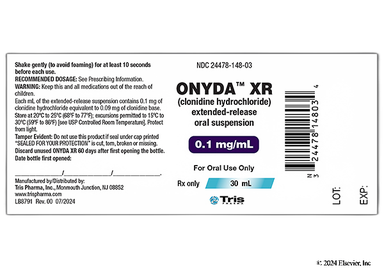
Onyda XR (clonidine) is a non‑stimulant medication for attention-deficit hyperactivity disorder (ADHD). It's FDA approved for children 6 years and older. It can be used by itself or with stimulant ADHD medications. Onyda XR (clonidine) is an extended‑release liquid you take by mouth once each night at bedtime. Common effects include sleepiness, tiredness, and headache. Onyda XR (clonidine) can also lower blood pressure and slow the heart rate, so your care team might check these regularly.

Onyda XR (clonidine) is an alpha‑2 agonist. It's not exactly clear how the medication treats ADHD. But it's thought to attach to signaling proteins called alpha-2 receptors in the part of the brain involved in attention and focus. This might help lessen hyperactive behavior and improve focus.
| Common Brands | Onyda XR |
|---|---|
| Drug Class | Alpha-2 agonist |
| Controlled Substance Classification | Not a controlled medication |
| Generic Status | No lower-cost generic available |
| Availability | Prescription only |

The following side effects may get better over time as your body gets used to the medication. Let your healthcare provider know immediately if you continue to experience these symptoms or if they worsen over time.
Contact your healthcare provider immediately if you experience any of the following.
Side effects that you should report to your care team as soon as possible:
Side effects that usually do not require medical attention (report these to your care team if they continue or are bothersome):



More tips on how to take Onyda XR (clonidine):

Onyda XR (clonidine) can cause some serious health issues. This risk may be even higher for certain groups. If this worries you, talk to your doctor or pharmacist about other options.
Onyda XR (clonidine) can lower blood pressure and slow the heart rate. This can cause dizziness, fainting, or tiredness. These effects can happen when starting the medication, after the dose is raised, or in hot weather if your child gets dehydrated.
Tell the prescriber if your child has any heart conduction problems. Some people with these heart problems have had a very slow heart rate while taking Onyda XR (clonidine).
The care team will check your child's blood pressure and pulse before they start Onyda XR (clonidine). They'll also check after dose changes and from time to time during treatment. If needed, the prescriber can adjust the Onyda XR (clonidine) dose to help with these side effects. For people with heart conduction problems, the prescriber will raise the dose more slowly and follow up more often.
Be sure your child stays hydrated, especially in hot weather. Get medical help if your child faints, has chest pain, or has trouble breathing. These can be signs of very low blood pressure or slow heart rate.
Onyda XR (clonidine) can cause sleepiness and drowsiness. This can make it hard to think clearly, react fast, or focus. The risk is higher if your child takes other medications that can cause drowsiness, like anxiety medications and sleep medications. Taking Onyda XR (clonidine) with alcohol can also make these side effects more likely.
Make sure your child knows how Onyda XR (clonidine) affects them before they drive or do anything that needs their focus. Talk to the healthcare team right away if your child feels too sleepy from the medication.
Stopping Onyda XR (clonidine) suddenly can cause a dangerous spike in blood pressure. This can lead to symptoms like severe headache, chest pain, fast heartbeat, flushing, anxiety, or confusion. Missing several doses in a row can also cause these problems.
If your child need to stop taking Onyda XR (clonidine), talk to their prescriber first. The care team will come up with a tapering plan. This usually involves slowly lowering the dose to stop the medication safely. Call the care team right away if your child misses several doses or has severe symptoms.
Tell the healthcare team if your child has had a skin rash or allergic reaction to other clonidine medications, including the clonidine patch. If your child has, they might also have a reaction to Onyda XR (clonidine). If the reaction was very serious, the prescriber might consider other treatment options.

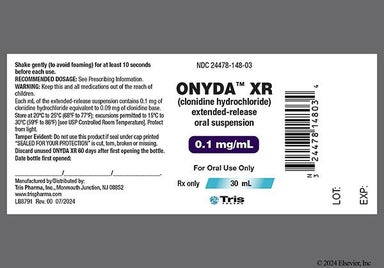
 Bottle of oral solution
| Dosage | Quantity | Price as low as | Price per unit |
|---|---|---|---|
| 60ml of 0.1mg/ml | 1 bottle | $497.12 | $497.12 |
| 30ml of 0.1mg/ml | 1 bottle | $398.33 | $398.33 |
The typical starting dose is 0.1 mg by mouth once nightly at bedtime. The prescriber might raise the dose by 0.1 mg per day at weekly intervals based on your child's response to the medication. The maximum dose is 0.4 mg once nightly.


Contraindications are specific health conditions or situations in which a person should not take a medication due to safety concerns. If you have any of the following conditions or if any of the following apply to you, let your healthcare provider know because Onyda XR (clonidine) will not be safe for you to take.


Prescription savings
Stop paying too much for your prescriptions. Compare prices, get pharmacy coupons, and save up to 80%. Find expert answers to your health questions so you can make the best decisions for yourself and your family.
Health conditions
Medications & treatment
Access & affordability
Medication discounts


Onyda XR is taken at bedtime so the medication can slowly get absorbed into the body overnight. By morning, the levels of medication should be high enough so it can help you focus during the day. Keep in mind that it can take time for the prescriber to find the right dose that works best for your child. Keep note of any ADHD symptoms and talk with the care team about any changes.
Onyda XR has an orange flavor to it.
No. Store Onyda XR at room temperature, between 68ºF and 77ºF. Also make sure to protect the bottle from light.
No, Onyda XR isn't a controlled substance. Controlled substances are medications with a higher risk of physical and mental dependence. Onyda XR isn't known to have this risk or cause addiction.
Tell the prescriber if your teen becomes pregnant while taking Onyda XR. It isn't known if this medication causes harm to an unborn baby. The prescriber can help explain the risks and benefits of treatment. Pregnant people taking Onyda XR are encouraged to join a pregnancy exposure registry. This helps researchers learn more about the medication's safety risks during pregnancy. Ask the care team, call 1-866-961-2388, or visit the website to learn more about the registry.
Tell the prescriber if your teen is thinking about breastfeeding while taking Onyda XR. This medication can pass into breast milk and possibly cause side effects in nursing infants. This can include drowsiness, fast breathing, and poor feeding. The prescriber can help explain the risks and benefits of treatment. Discuss with the care team about safe feeding options.
Onyda XR and Kapvay are both medications containing clonidine. They're both extended-release forms used to treat ADHD in children ages 6 years and up. The main difference is their formulations. Onyda XR is a liquid taken once a day at bedtime and is only available as a brand-name medication. Kapvay is a tablet that's taken by mouth once or twice a day. The Kapvay brand name is no longer sold, but generic extended-release clonidine tablets are still available. Ask a healthcare professional to help you compare these options.
