Clobazam (Onfi) is used to treat seizures in people ages 2 years and older with Lennox-Gastaut syndrome (LGS). The medication belongs to the drug class known as benzodiazepines, which work by slowing down activity in the brain. Clobazam (Onfi) is available as a lower-cost generic tablet and oral liquid suspension, and it's taken by mouth twice per day. Possible side effects include sleepiness, fever, and vomiting.
Clobazam (Onfi) is a controlled substance, which means that it's more likely to be misused or cause dependence. There are federal and state laws that limit the amount of medication that can be prescribed or dispensed within a certain period of time.
What is Clobazam (Onfi)?
What is Clobazam (Onfi) used for?
Treatment of seizures from Lennox-Gastaut syndrome in people ages 2 years and older (as an add-on to other anti-seizure medications)
Clobazam (Onfi) can cause some serious health issues. This risk may be even higher for certain groups. If this worries you, talk to your doctor or pharmacist about other options.
Serious risks when used with opioids
Taking clobazam (Onfi) with opioid medications can cause severe sleepiness, tiredness, dangerously slow breathing, coma, or even death. These side effects can happen to anyone who's taking both medications. Clobazam (Onfi) and an opioid should be used together only if they're clearly needed and the benefits are greater than the risks. Your provider will prescribe the lowest dose of your medications for the shortest period of time possible in this case.
Tell your provider about all your medications before and during treatment with clobazam (Onfi). Get medical help right away if you or your loved ones notice you're breathing a lot slower or having trouble waking up easily.
Potential for misuse, addiction, and withdrawal
Risk factors: Personal or family history of alcohol or substance use disorder | Personal or family history of mental health problems
Clobazam (Onfi) is a controlled substance because it has a risk for misuse, which can lead to addiction. Misusing clobazam (Onfi) can raise the risk for side effects, such as memory and coordination problems, confusion, and muscle pain. It can also raise your risk for serious and possibly life-threatening slowed breathing and coma.
Clobazam (Onfi) also has a risk for dependence (when your body needs the medication to function normally). Stopping the medication too suddenly can lead to withdrawal symptoms, such as nausea, tremors, sweating, muscle pain, and life-threatening seizures, panic attacks, and psychosis.
Take clobazam (Onfi) exactly as prescribed. Don't change the dose or how often you take it without talking to your healthcare provider first. Your provider will prescribe the lowest amount of medication that's necessary to manage your seizures for the shortest period of time possible.
Extreme sleepiness or tiredness, leading to trouble with concentration
Risk factors: Taking higher doses of clobazam (Onfi) | Drinking alcohol | Taking other medications that can cause sleepiness
Clobazam (Onfi) can cause extreme sleepiness, which can lower your ability to think, react, and focus. You can feel sleepier than usual within the first month of treatment, and it might lessen as you continue taking the medication. Your risk for these side effects is higher if you're taking other medications that can make you tired (e.g., other benzodiazepines, muscle relaxants). Make sure you know how clobazam (Onfi) affects you before driving a car or doing activities that require your concentration. Talk to your provider right away if these side effects affect your daily life while you're taking clobazam (Onfi).
Serious skin reactions
Clobazam (Onfi) can cause serious and life-threatening skin reactions, such as Stevens-Johnson syndrome (SJS) and toxic epidermal necrolysis (TEN). Watch for unusual skin reactions during treatment, especially during the first 2 months of starting, or restarting, clobazam (Onfi). Stop using the medication and get medical attention as soon as possible if you notice a sore throat, fever, fatigue, rash, painful blisters, skin reddening, skin peeling, swelling in your face, or trouble breathing.
Suicidal thoughts or behavior
Risk factors: Taking other anti-seizure medications
Clobazam (Onfi) raises your risk of having thoughts of suicide or harming yourself. This risk can appear as early as 1 week after you start taking clobazam (Onfi) and can continue throughout treatment. Get medical help right away if you or anyone around you notices that you have suicidal thoughts or unusual behavior, like anxiety, panic attacks, trouble sleeping, feeling angry or irritated, or restlessness, while you're taking clobazam (Onfi).
Side effects in newborn babies when used during pregnancy
Side effects like weakness, slowed breathing, and withdrawal symptoms (e.g., irritability, restlessness, trouble feeding) can happen in newborn babies if mothers take clobazam (Onfi) during late pregnancy. Talk to your provider about the risks and benefits of using clobazam (Onfi) while you're pregnant. It's encouraged that you enroll in the North American Antiepileptic Drug (NAAED) Pregnancy Registry if you're currently pregnant and taking clobazam (Onfi). This registry monitors the safety of anti-seizure medications during pregnancy and helps researchers learn more about the risks.
The following side effects may get better over time as your body gets used to the medication. Let your healthcare provider know immediately if you continue to experience these symptoms or if they worsen over time.
The following Clobazam (Onfi) side effects have also been reported
Along with its needed effects, a medicine may cause some unwanted effects. Although not all of these side effects may occur, if they do occur they may need medical attention.
Check with your doctor immediately if any of the following side effects occur:
Get emergency help immediately if any of the following symptoms of overdose occur:
Symptoms of overdose
Blurred vision
change or loss of consciousness
confusion
dizziness, faintness, or lightheadedness when getting up suddenly from a lying or sitting position
sweating
unusual drowsiness, dullness, or feeling of sluggishness
Some side effects may occur that usually do not need medical attention. These side effects may go away during treatment as your body adjusts to the medicine. Also, your health care professional may be able to tell you about ways to prevent or reduce some of these side effects. Check with your health care professional if any of the following side effects continue or are bothersome or if you have any questions about them:
Only approved for seizures related to Lennox-Gastaut syndrome
Need to take with other anti-seizure medications
Might lead to tolerance (doesn't work as well after you've taken it for a while)
Might have more frequent seizures if you suddenly stop taking the medication
Pharmacist tips for Clobazam (Onfi)
You can take clobazam (Onfi) with or without food. If the medication upsets your stomach, try taking it with food to help.
Clobazam (Onfi) can make you sleepy and dizzy. Avoid drinking alcohol, driving, or doing anything that requires concentration until you know how this medication affects you.
Clobazam (Onfi) can raise the risk of suicidal thoughts. Contact your provider right away if you or your loved ones notice any changes in your behavior or mood while you're taking this medication.
Don't change your dose or suddenly stop taking clobazam (Onfi) without talking to your provider first. Otherwise, you might have withdrawal symptoms, like nausea, tremors, sweating, muscle pain, more seizures, or panic attacks. Speak with your provider if you're interested in stopping the medication; follow the instructions to lower your dose slowly over a period of time to safely stop the medication.
Make sure to tell your provider and pharmacist about all of the medications you're taking with clobazam (Onfi). Clobazam (Onfi) can interact with some commonly prescribed medications, such as omeprazole (Prilosec), and fluconazole (Diflucan). Your providers can check that your medications are safe to take together.
Clobazam (Onfi) can make hormonal birth control work less well, which can lead to unplanned pregnancies. Talk to your provider about which methods of birth control you should use instead and whether you need to use a back-up method of protection while you're taking clobazam (Onfi).
Contact your provider right away if you become pregnant to discuss the risks and benefits of continuing clobazam (Onfi). This medication can raise the risk of serious side effects, like slowed breathing and withdrawal, in newborns when it's taken during late pregnancy.
More tips for clobazam (Onfi) oral liquid suspension:
Read the instructions for use on how to prepare a dose of the clobazam (Onfi) oral liquid suspension. Ask your pharmacist or provider if you have any questions.
Store the clobazam (Onfi) oral liquid suspension at room temperature in the original bottle it came in from the pharmacy.
Shake the bottle well before you measure the dose. Make sure to use an oral syringe to measure out your clobazam (Onfi) liquid dose. Don't use household spoons because they aren't accurate and might cause you to take the wrong dose.
Clean the oral syringe after each time you take the medication. Remove the plunger from the barrel, wash both parts with soap and water, and let it to air dry. Don't put the oral syringe in the dishwasher.
Once you open a new bottle, the medication is good for 90 days (3 months). Write down the 90-day expiration date after you open the bottle to avoid accidentally using expired medication. After 90 days, throw the bottle away, even if there's medication left over. Then, ask your pharmacist or provider for a refill.
Clobazam (Onfi) dosage
The average cost for 30 tablets of 10mg of Clobazam (Onfi) is $17.72 with a free GoodRx coupon. This is 73.34% off the average retail price of $66.47.
Interactions between Clobazam (Onfi) and other drugs
Clobazam (Onfi) may interact with certain medications or supplements. Always let your doctor and pharmacist know about any other medications or supplements (including prescribed and over-the-counter medications, vitamins, and dietary or herbal supplements) that you are currently taking. The list below does not include all possible drug interactions with Clobazam (Onfi). Please note that only the generic name of each medication is listed below.
Although certain medicines should not be used together at all, in other cases two different medicines may be used together even if an interaction might occur. In these cases, your doctor may want to change the dose, or other precautions may be necessary. When you are taking this medicine, it is especially important that your healthcare professional know if you are taking any of the medicines listed below. The following interactions have been selected on the basis of their potential significance and are not necessarily all-inclusive.
Using this medicine with any of the following medicines is not recommended. Your doctor may decide not to treat you with this medication or change some of the other medicines you take.
Using this medicine with any of the following medicines is usually not recommended, but may be required in some cases. If both medicines are prescribed together, your doctor may change the dose or how often you use one or both of the medicines.
Using this medicine with any of the following medicines may cause an increased risk of certain side effects, but using both drugs may be the best treatment for you. If both medicines are prescribed together, your doctor may change the dose or how often you use one or both of the medicines.
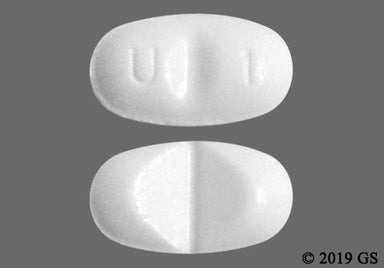
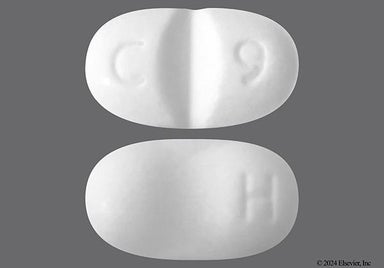
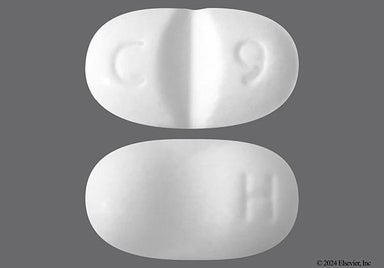
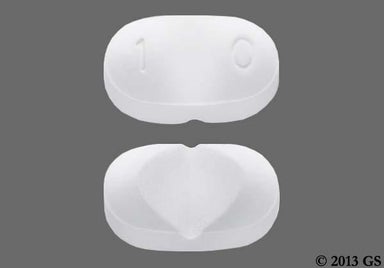
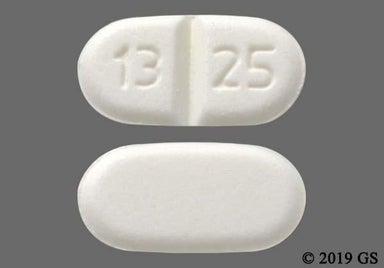
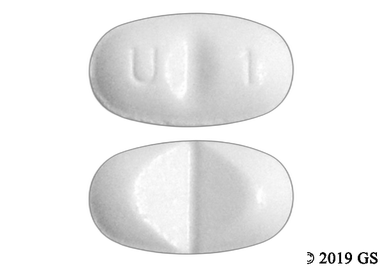
This medicine is White, Oval Tablet Imprinted With "U 1".White Oval U 1 - Clobazam 10mg TabletThis medicine is White, Oval Tablet Imprinted With "C 9", "H".White Oval C 9 - Clobazam 10mg TabletThis medicine is White, Oval Tablet Imprinted With "H", "C 9".White Oval C 9 - Clobazam 10mg TabletThis medicine is White, Oval Tablet Imprinted With "1 0".White Oval 1 0 - Clobazam 10mg TabletThis medicine is White, Oval, Scored Tablet Imprinted With "13 25".White Oval 13 25 - Clobazam 10mg Tablet
Department of Justice/Drug Enforcement Administration. (2020). Narcotics.
GoodRx Health has strict sourcing policies and relies on primary sources such as medical organizations, governmental agencies, academic institutions, and peer-reviewed scientific journals. Learn more about how we ensure our content is accurate, thorough, and unbiased by reading our editorial guidelines.
Prescription savings
Stop paying too much for your prescriptions. Compare prices, get pharmacy coupons, and save up to 80%.
Yes, Clobazam is a schedule IV controlled substance. This is because it has a risk for misuse, which can lead to addiction. Misuse is when a medication is used for non-medical reasons for its physical or emotional effects (e.g., a "high" feeling). Misusing Clobazam can lead to serious and potentially life-threatening side effects like seizures and trouble breathing. Clobazam also has a risk for dependence (when you rely on a medication to function normally). With dependence, you might have withdrawal symptoms if you suddenly stop taking the medication. To help lower the risks for misuse and dependence, only take Clobazam exactly as instructed by your provider.
No, Clobazam isn't a narcotic. Narcotics are another name for opioid medications. Clobazam isn't an opioid and so it isn't a narcotic. Instead, Clobazam is considered a benzodiazepine.
There isn't a clear time frame for when exactly Clobazam will start to work. It'll probably depend on several factors, like your dose, how bad your seizures are, and what other seizure medications you're taking. It takes about a week for Clobazam to reach a steady level in your body. In general, reaching the dose that's right for you can take time — you typically start the medication at a low dose and your dose gets raised no sooner than once per week. Studies generally show that it can take up to 3 months of treatment with Clobazam to see improvements in seizures. Your provider will regularly follow up with you to discuss how well Clobazam is working for you and adjust your dose as needed.
Yes. If you're having trouble swallowing the Clobazam tablets, you can crush the tablets and mix into applesauce. You can also break the tablets in half along the score line (the dented line in the middle of the tablet). In addition, you can ask your provider about switching you to the Clobazam liquid suspension.
Yes, sleepiness is the most common side effect of Clobazam. In studies, sleepiness was reported in up to 26% of people who took Clobazam. Before driving or performing activities that require you to be alert, wait and see how this medication affects you. Talk to your provider if Clobazam is making you too sleepy throughout the day and is affecting your ability to do daily activities. You might need your dose adjusted or you might need to switch to a different medication.
Studies suggest that Clobazam doesn't affect weight very much. But keep in mind that Clobazam is typically used with other anti-seizure medications, some of which might cause weight gain. Keep track of your weight, eat nutritious meals, and regularly exercise while you're taking Clobazam to keep your risk low. Tell your provider if you or your child has gained an unusual amount of weight after starting this medication.
Clobazam is a benzodiazepine or "benzo", which is a drug class that's known to work well for treating anxiety. But unlike most benzos, Clobazam isn't FDA-approved to treat anxiety; it's only approved for seizures in people with Lennox-Gastaut syndrome. Some research looking specifically at Clobazam suggests that it can help with anxiety, both in people with and without seizures. Talk to your provider to see whether Clobazam is right for you if you have both anxiety and seizure problems.


 Taking clobazam (Onfi) with
  Tell your provider about all your medications before and during treatment with clobazam (Onfi). Get medical help right away if you or your loved ones notice you're breathing a lot slower or having trouble waking up easily.