Key takeaways:
Ofev (nintedanib) is a prescription medication used to manage different forms of interstitial lung disease (ILD). It’s been shown to help improve life expectancy in people living with ILD.
Taking Ofev with food can help reduce side effects such as diarrhea, nausea, and stomach pain. But try to avoid spicy foods, high-fiber foods, and alcoholic beverages. These items can worsen stomach-related side effects.
Ofev takes time to start working, usually around 6 to 12 weeks. Sticking with your treatment plan and following your prescriber’s guidance can help you get the most from your medication.
Save on related medications
Ofev (nintedanib) is a prescription medication that treats interstitial lung disease (ILD). This includes idiopathic pulmonary fibrosis (IPF), progressive fibrosing interstitial lung diseases (PF-ILD), and systemic sclerosis-associated interstitial lung disease (SSc-ILD).
Ofev is a tyrosine kinase inhibitor. It blocks tyrosine kinase proteins from causing stiffness in the lungs. This helps slow down lung scarring over time. But it can cause side effects, especially stomach upset and other gut-related issues. Certain foods can worsen or trigger these symptoms. Knowing what foods to avoid while taking Ofev can help you make the most of the medication’s benefits and keep side effects to a minimum.
Here, we’ll share seven pharmacist-backed tips to keep in mind while taking Ofev.
1. Foods to avoid while taking Ofev
You should take Ofev with food. But certain foods can worsen Ofev’s stomach-related side effects. Common foods and drinks it’s best to avoid while taking Ofev include:
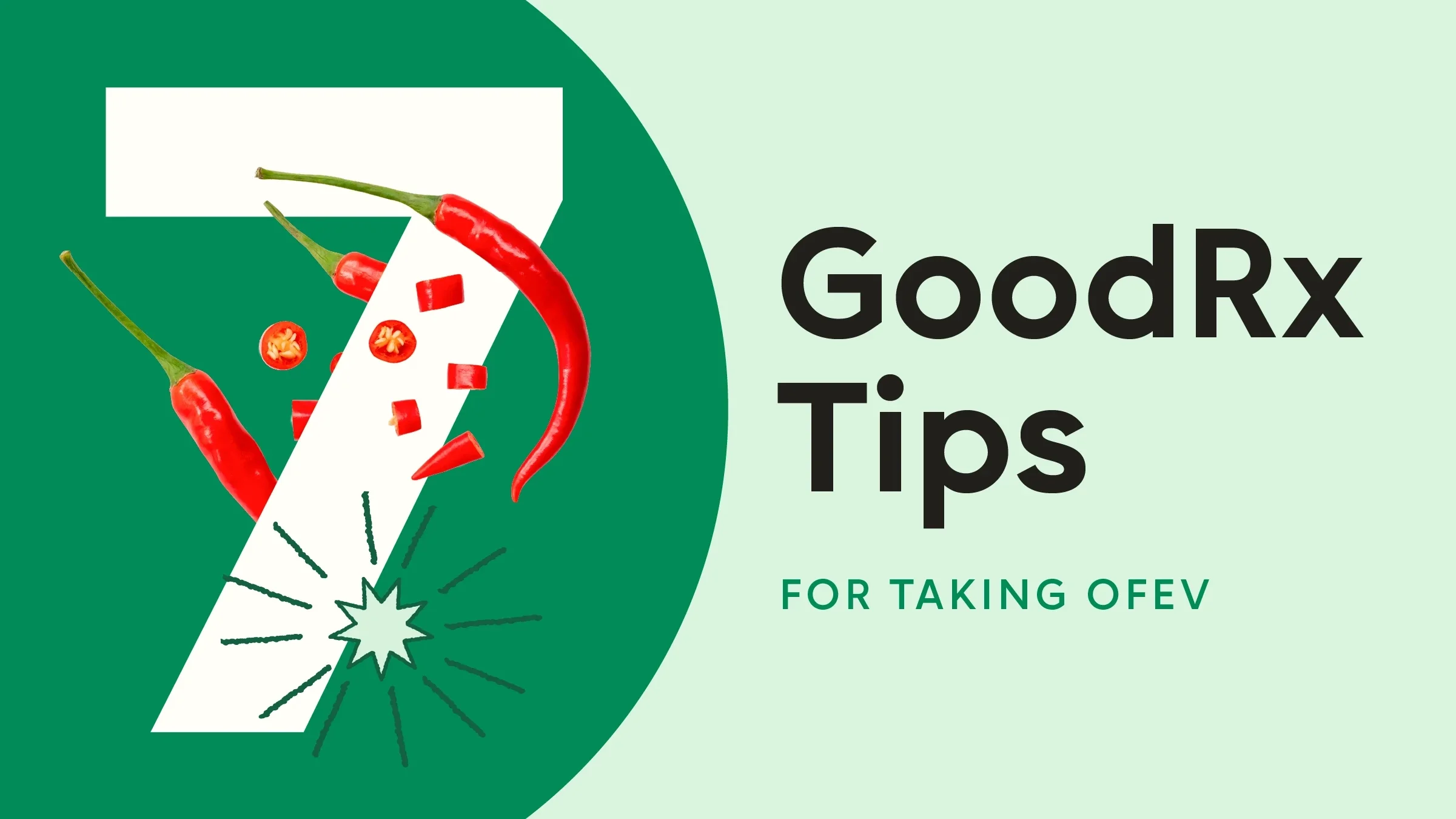
Spicy or acidic foods, such as chili peppers and citrus fruit
Fried or greasy foods
High-fiber foods, such as beans, lentils, and whole grains
Fatty dairy products, such as whole milk, whipped cream, and ice cream
Fatty meats
Alcohol
2. How to manage common Ofev side effects
Diarrhea, nausea, and vomiting are the most common Ofev side effects. These effects should get better over time as your body gets used to the medication. In the meantime, here are some tips to manage them:
Drink plenty of water to prevent dehydration, especially if you have persistent diarrhea.
If you’re feeling nauseous, try sticking to foods that are gentle on the stomach. Your prescriber may recommend following the “BRAT diet,” which includes starchy, bland foods such as bananas, rice, applesauce, and toast.
Ask a pharmacist about trying an over-the-counter (OTC) antidiarrheal to help manage diarrhea.
If your side effects are hard to manage, talk to a healthcare professional about your symptoms. Keeping track of when your symptoms happen can help you and your healthcare team uncover patterns and find ways to manage them better.
3. Be aware that Ofev doesn’t start working right away
Ofev helps slow down lung function decline over time. So you probably won’t notice a difference right away once you start taking it.
Ofev typically takes about 6 to 12 weeks to start working. In clinical studies, people living with ILD showed improvements in lung function after taking Ofev for at least 6 weeks.
These effects seem to persist, too. Longer-term studies found that Ofev significantly reduced the risk of worsening IPF symptoms over about 1 year compared with a placebo (pill with no medication in it).
4. Ofev may improve life expectancy
Ofev may help people with pulmonary fibrosis live longer. That’s because pulmonary fibrosis gradually worsens over time, and Ofev slows this process down.
A 2023 study found that people taking Ofev for IPF had a 55% lower risk of death over 2 years compared to those who didn’t receive treatment.
What’s more, a review of six clinical studies found that people with IPF who took Ofev lived an average of 12 years versus about 4 years among those who took a placebo. Starting Ofev early and taking it consistently seems to protect the lungs and prolong life expectancy for many people.
5. If you smoke, Ofev won’t work as well
Smoking can worsen lung disease. But it can also reduce how well Ofev works.
When you smoke, your body doesn’t absorb Ofev as well, leading to lower levels in the body. This can make Ofev less effective. For the best results, it’s strongly recommended to quit smoking before starting Ofev and to avoid smoking while taking it. You should also avoid secondhand smoke, if possible.
6. Ofev is risky during pregnancy
Ofev can cause harm to an unborn fetus. So it’s not recommended during pregnancy.
If you’re able to become pregnant, you should take a pregnancy test before starting Ofev. Your prescriber will likely recommend that you use an effective birth control method while taking Ofev. You should also continue birth control for at least 3 months after stopping Ofev.
7. Other tips for maximizing success with Ofev
To help Ofev work as well as possible, consider these additional tips:
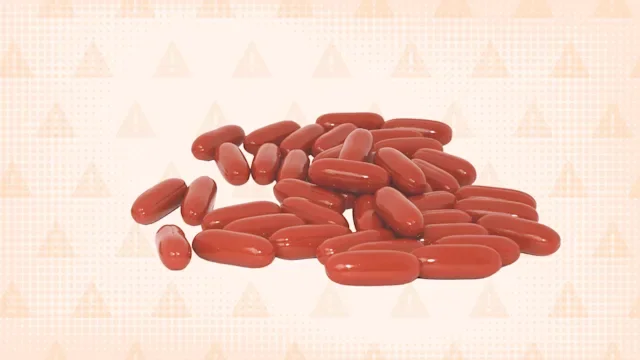
Keep your Ofev capsules in the container they came in and out of the reach of children. Also, store them at room temperature and away from too much heat and moisture.
Swallow Ofev capsules whole. Don’t open, chew, or crush them — take them as they are.
Review your medical history with your health care team. Let them know if you have any liver or heart problems, a history of blood clots or bleeding issues, or if you've had recent stomach surgery. And if you’re breastfeeding or planning to breastfeed, make sure to mention that, too.
Tell your healthcare team about all the medications and supplements you're taking. This helps them make sure nothing will interfere with your treatment.
Let your healthcare team know about any unusual symptoms, such as yellowing of your skin or eyes, dark urine, or any abnormal bleeding or bruising. And tell them if you start feeling extra tired or lose your appetite. These can be signs of more serious side effects.
Frequently asked questions
It’s recommended to avoid fatty dairy products (e.g., whole milk, whipped cream, ice cream) while taking Ofev. They may worsen stomach-related side effects. Non-fat or low-fat dairy products, such as skim milk and/or milk alternatives, are likely a better choice.
Try to avoid alcoholic beverages while you’re taking Ofev. Alcohol can increase your risk of liver problems and may worsen other Ofev side effects as well.
Ofev is considered a long-term, maintenance treatment. There’s no set time limit for taking it. Studies show that many people can safely take Ofev for years. Your healthcare professional should monitor your progress through regular checkups and lung tests.
If you forget to take a dose of Ofev, take your next dose the following day as usual with food. Do not take an extra dose to make up for a missed dose. To stay on track, consider setting reminders or using a medication reminder app.
If you stop taking Ofev, it’s likely that your lung function will worsen. That’s why taking Ofev consistently is so important. If you’re experiencing bothersome side effects or want to stop taking Ofev, talk to your healthcare team for guidance. Don’t stop taking Ofev on your own.
It’s recommended to avoid fatty dairy products (e.g., whole milk, whipped cream, ice cream) while taking Ofev. They may worsen stomach-related side effects. Non-fat or low-fat dairy products, such as skim milk and/or milk alternatives, are likely a better choice.
Try to avoid alcoholic beverages while you’re taking Ofev. Alcohol can increase your risk of liver problems and may worsen other Ofev side effects as well.
Ofev is considered a long-term, maintenance treatment. There’s no set time limit for taking it. Studies show that many people can safely take Ofev for years. Your healthcare professional should monitor your progress through regular checkups and lung tests.
If you forget to take a dose of Ofev, take your next dose the following day as usual with food. Do not take an extra dose to make up for a missed dose. To stay on track, consider setting reminders or using a medication reminder app.
If you stop taking Ofev, it’s likely that your lung function will worsen. That’s why taking Ofev consistently is so important. If you’re experiencing bothersome side effects or want to stop taking Ofev, talk to your healthcare team for guidance. Don’t stop taking Ofev on your own.
The bottom line
Ofev (nintedanib) is a prescription medication that treats different forms of interstitial lung disease (ILD). Foods to avoid while taking Ofev include spicy and fried foods, fatty dairy products, and alcohol. This can help limit Ofev’s stomach-related side effects. Avoid smoking, too — it can make Ofev less effective.
Ofev can take about 6 weeks to make a noticeable difference in your lung function. But it seems to improve life expectancy for people living with ILD if you take it consistently. Ask your prescriber and pharmacist about other ways to maximize your Ofev prescription.

Why trust our experts?



References
David, S., et al. (2023). Vital capacity. StatPearls.
Edenbridge Pharmaceuticals LLC. (2026). Nintedanib- nintedanib capsule [package insert].
Gole, S., et al. (2024). Nintedanib. StatPearls.
Lamb, Y. N., et al. (2021). Nintedanib: A review in fibrotic interstitial lung diseases. Drugs.
Lancaster, L., et al. (2019). Safety and survival data in patients with idiopathic pulmonary fibrosis treated with nintedanib: Pooled data from six clinical trials. BMJ Open Respiratory Research.
Maher, T. M., et al. (2019). Antifibrotic therapy for idiopathic pulmonary fibrosis: Time to treat. Respiratory Research.
Makino, S. (2021). Progressive fibrosing interstitial lung diseases: A new concept and indication of nintedanib. Modern Rheumatology.
Perelas, M., et al. (2020). Systemic sclerosis-associated interstitial lung disease. The Lancet Respiratory Medicine.
Richeldi, L., et al. (2014). Efficacy and safety of nintedanib in idiopathic pulmonary fibrosis. The New England Journal of Medicine.
Štefániková, M., et al. (2023). The effect of nintedanib on lung functions and survival in idiopathic pulmonary fibrosis: Real-life analysis of the Czech EMPIRE registry. BMC Pulmonary Medicine.