Nuvaxovid
Nuvaxovid (Novavax COVID-19 vaccine) is a recombinant vaccine. It's used to prevent infection from the virus that causes COVID-19. Nuvaxovid is FDA approved for adults 65 years of age and older. It's also approved for people ages 12 to 64 years with at least one risk factor for severe problems from COVID. This vaccine is given as an injection in the muscle by a trained healthcare professional. It's given as an updated Nuvaxovid booster shot each year to help protect against the latest strains of the COVID virus. Side effects include tiredness, headache, and pain and tenderness at the injection site.


What is Nuvaxovid?
What is Nuvaxovid used for?
- Prevention of COVID-19 infection in people 65 years of age and older
- Prevention of COVID-19 infection in people ages 12 to 64 years old with at least one condition that puts them at high risk of serious problems from illness
How Nuvaxovid works
Nuvaxovid is a recombinant vaccine. It contains a modified, harmless version of the "spike protein" found on the COVID-19 virus.
Your immune system recognizes that this spike protein doesn't usually belong in your body. This leads your immune system to make antibodies against the protein. These antibodies tell other immune cells to get rid of the protein from the body.
Afterwards, your immune system remembers what the COVID spike protein looks like. So if you get exposed to COVID, your immune system is ready to fight and protect you from getting very sick.
Drug facts
| Common Brands | Nuvaxovid |
|---|---|
| Drug Class | Recombinant vaccine |
| Controlled Substance Classification | Not a controlled medication |
| Generic Status | No lower-cost generic available |
| Availability | Prescription only |
More on Nuvaxovid essentials

Side effects of Nuvaxovid
The following side effects may get better over time as your body gets used to the medication. Let your healthcare provider know immediately if you continue to experience these symptoms or if they worsen over time.
Common Side Effects
- Tenderness at the injection site
- Pain at the injection site
- Muscle pain
- Headache
- Tiredness
- Feeling unwell
Less Common Side Effects
- Joint pain
- Nausea or vomiting
- Fever
- Redness at the injection site
- Swelling at the injection site
Nuvaxovid serious side effects
Contact your healthcare provider immediately if you experience any of the following.
- Inflammation or swelling of the heart: chest pain, shortness of breath, a racing heart
- Serious allergic reaction: trouble breathing; rash; hives; swelling of the face, lips, tongue, or throat
More on Nuvaxovid side effects

The following Nuvaxovid side effects have also been reported
Side effects that you should report to your care team as soon as possible:
- Allergic reactions—skin rash, itching, hives, swelling of the face, lips, tongue, or throat
- Heart muscle inflammation—unusual weakness or fatigue, shortness of breath, chest pain, fast or irregular heartbeat, dizziness, swelling of the ankles, feet, or hands
Side effects that usually do not require medical attention (report these to your care team if they continue or are bothersome):

Get your GoodRx coupon

Pros and cons of Nuvaxovid
Pros
- Need just 1 updated shot each year
- A more traditional type of vaccine for people who prefer not to get an mRNA COVID vaccine (Comirnaty, Spikevax, or mNEXSPIKE)
Cons
- Not approved for people under 12 years old
- Doesn't guarantee that you won't get COVID (but helps prevent you from getting seriously sick)

Pharmacist tips for Nuvaxovid

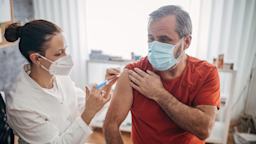
- Nuvaxovid is given as an injection into the muscle by a healthcare professional. You can usually get the vaccine at a medical office, health clinic, or pharmacy.
- Sit down while you're getting Nuvaxovid. This helps prevent you from getting hurt if you faint after getting your vaccine. Depending on how you feel after, the healthcare professional might ask you to stay a little longer to make sure you're okay.
- Nuvaxovid can cause mild discomfort, pain, or swelling where you got the shot. To help with these side effects, you can hold a cool, wet washcloth over the area where you got vaccinated. Moving your arm around can also help. These side effects should go away in a few days. But call a healthcare professional if they get worse or don't go away.
- Most other side effects from Nuvaxovid are mild. They can include tiredness, headache, and muscle aches. These usually last couple days. Try to take it easy for the rest of the day. Drink plenty of water and dress in light clothing to avoid overheating if you have a fever. But if you don't feel better in a few days, call a healthcare professional for guidance.
- Don't take over-the-counter medications before getting Nuvaxovid to try to prevent side effects. This includes ibuprofen (Advil) and acetaminophen (Tylenol). We don't know if taking these medications before getting Nuvaxovid could affect how well the vaccine works.
- After getting Nuvaxovid, talk to a healthcare professional about which medications are safe to take if you need help managing side effects.
- Even if you get vaccinated with Nuvaxovid, it's possible you can still get COVID-19. But the vaccine helps lower your risk of getting very sick. To help protect yourself, wash your hands often and avoid touching your eyes, nose, and mouth. Talk with a healthcare professional about other ways to help prevent getting sick.

Risks and warnings for Nuvaxovid
Nuvaxovid can cause some serious health issues. This risk may be even higher for certain groups. If this worries you, talk to your doctor or pharmacist about other options.
Allergic reaction
Allergic reactions to Nuvaxovid are possible. This can include anaphylactic reactions and can sometimes be very serious. Signs can include hives; shortness of breath; or swelling of the face, lips, or tongue. Get medical help or call 911 right away if this happens during or after you get vaccinated with Nuvaxovid.
Heart inflammation (swelling)
Although very rare, Nuvaxovid might raise the risk of heart inflammation. This includes myocarditis (swelling of the heart muscle) and pericarditis (swelling of the lining around the heart). These problems were reported in a very small number of people during studies.
Get medical help if you have possible signs of heart inflammation after getting Nuvaxovid. Watch out for chest pain, shortness of breath, or a racing heart.
Possible fainting after vaccination
Some people have fainted soon after getting vaccines given as an injection into the muscle. Tell the healthcare professional if you've ever fainted after getting vaccinated. They can keep a close eye on you for about 15 minutes after you get Nuvaxovid to make sure you're okay. To prevent getting hurt if you faint, it's best to sit down to get your shot and while the care team is watching you.
Lowered response to Nuvaxovid in people with a weakened immune system
- Risk factors: Medical conditions that weaken the immune system | Taking medications that lower the activity of the immune system
Nuvaxovid might not work as well for people with a weakened immune system. This means they could still get very sick from COVID-19, even after getting the vaccine.
Before getting vaccinated, tell your care team about your health problems and any medications you take. Some conditions, like human immunodeficiency virus (HIV) and cancer, can weaken the immune system. And some medications, like long-term steroid use and transplant medications, can also make your immune system weaker.
If you have a weak immune system, keep taking steps to protect yourself from COVID. Talk to a healthcare professional about more ways to prevent getting sick.

Nuvaxovid dosage
 Syringe
| Dosage | Quantity | Price as low as | Price per unit |
|---|---|---|---|
| 0.5ml/dose of | 1 syringe | $179.72 | $179.72 |

How much does Nuvaxovid cost?
$179.72

Nuvaxovid contraindications
Contraindications are specific health conditions or situations in which a person should not take a medication due to safety concerns. If you have any of the following conditions or if any of the following apply to you, let your healthcare provider know because Nuvaxovid will not be safe for you to take.
- Previous severe allergic reaction to Nuvaxovid



