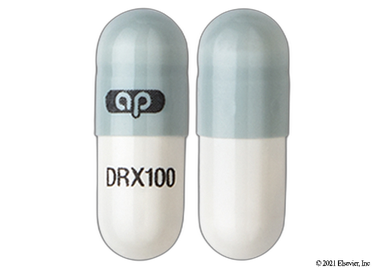
droxidopa
Droxidopa (Northera) is an adrenergic- and beta-agonist that's used to treat low blood pressure in adults with a nervous system problem called neurogenic orthostatic hypotension (nOH). This medication is taken by mouth three times per day. The last dose of the day should be taken at least 3 hours before bedtime because the medication can raise the risk for high blood pressure while lying down, which can raise the risk for complications like heart problems and stroke. Side effects of droxidopa (Northera) include headache and dizziness.


What is Droxidopa (Northera)?
What is Droxidopa (Northera) used for?
- Treatment of low blood pressure in people with a nervous system problem called neurogenic orthostatic hypotension (nOH) that's caused by certain medical conditions (e.g., multiple system atrophy, pure autonomic failure, Parkinson's disease)
How Droxidopa (Northera) works
Droxidopa (Northera) is an adrenergic- and beta-agonist. After you take droxidopa (Northera), your body breaks down the medication into norepinephrine. Norepinephrine is a hormone that tightens your blood vessels to raise blood pressure.
Drug facts
| Common Brands | Northera |
|---|---|
| Drug Class | Vasoconstrictor |
| Controlled Substance Classification | Not a controlled medication |
| Generic Status | Lower-cost generic available |
| Availability | Prescription only |

Side effects of Droxidopa (Northera)
The following side effects may get better over time as your body gets used to the medication. Let your healthcare provider know immediately if you continue to experience these symptoms or if they worsen over time.
Common Side Effects
- Headache (6%)
- Dizziness (4%)
- Nausea (2%)
- High blood pressure (2%)
Less Common Side Effects
- Vomiting
- Diarrhea
- Stomach pain
- Chest pain
- Tiredness
- Blurred vision
Droxidopa (Northera) serious side effects
Contact your healthcare provider immediately if you experience any of the following.
- Serious allergic reactions: hives; swelling of your lips, tongue, or throat; trouble breathing
- Severely high blood pressure when lying down: changes in heartbeat, pounding in the ears, headache, blurred vision
- Neuroleptic malignant syndrome (NMS): high fever, confusion, rigid muscles
The following Droxidopa (Northera) side effects have also been reported
Side effects that you should report to your care team as soon as possible:
- Allergic reactions—skin rash, itching, hives, swelling of the face, lips, tongue, or throat
- High fever, stiff muscles, increased sweating, fast or irregular heartbeat, and confusion, which may be signs of neuroleptic malignant syndrome
- Increase in blood pressure
Side effects that usually do not require medical attention (report these to your care team if they continue or are bothersome):
- Dizziness
- Headache
- Nausea

Get your GoodRx coupon

Pros and cons of Droxidopa (Northera)
Pros
- First FDA-approved medication for specifically treating neurogenic orthostatic hypotension (nOH)
- Not too many side effects
- Generic available
Cons
- Need to take three times a day
- Has mainly been studied as a short-term treatment (lasting up to 2 weeks)

Pharmacist tips for Droxidopa (Northera)

- Take droxidopa (Northera) with or without food. Whichever way you choose, stick to a routine — either always take it with food or always take it without food. Taking it with food can help ease any stomach upset from the medication.
- Take droxidopa (Northera) during the day when you're able to sit and stand up. Don't take it while you're lying down. Doing so can cause your blood pressure to get dangerously high.
- Don't take droxidopa (Northera) too close to bedtime. It's best to take your last dose before dinner, at least 3 hours before bedtime. This helps make sure your blood pressure doesn't get too high when you lie down to sleep.
- Prop your head up when you're resting or sleeping to help control your blood pressure. This is very important to do when you're taking droxidopa (Northera) because the medication can cause your blood pressure to go up to dangerous levels when you're lying on your back.
- Regularly check and record your blood pressure in different positions while you're taking droxidopa (Northera): when you're lying down, sitting, and standing. Share your logbook entries with your specialists. You might need to stop this medication if your blood pressure is much higher when you're lying down or sitting than when you're standing.
- Tell your care team right away if you have symptoms of high blood pressure when lying down, such as changes in your heartbeat, pounding in the ears, headache, or blurred vision. Stop taking droxidopa (Northera) as soon as possible if symptoms won't go away.
- Let your your care team know if you're taking droxidopa (Northera) together with other medications that can raise blood pressure. These medications can include phenylephrine and pseudoephedrine for a cold, a triptan for migraines, and certain weight loss medications. Check with your pharmacist or care team if you're not sure.
- Be sure to follow up with the specialists for your condition. Because droxidopa (Northera) was only studied for short-term use (1 to 2 weeks), the specialists might want to check how well the medication is working for you and whether you should continue treatment.
- If you forget to take droxidopa (Northera), skip the missed dose and wait until your next regularly scheduled dose to take the medication. Don't double up on doses since this can raise your risk for side effects.

Risks and warnings for Droxidopa (Northera)
Droxidopa (Northera) can cause some serious health issues. This risk may be even higher for certain groups. If this worries you, talk to your doctor or pharmacist about other options.
Significant rise in blood pressure when lying down
 Don't take droxidopa (Northera) while you're lying down or getting ready to lie down. This medication can raise your blood pressure to dangerous levels if you're lying down. Uncontrolled high blood pressure in this position can raise your risk for complications like stroke.
 You should only use droxidopa (Northera) if your orthostatic hypotension greatly affects your everyday life and if other methods (like support stockings, fluids, or lifestyle changes) aren't enough to help.
Prop up the head of the bed when you're resting or sleeping. Contact your care team if you experience symptoms of very high blood pressure when lying down after taking droxidopa (Northera), such as changes in your heartbeat, pounding in the ears, headache, or blurred vision. You'll either have your dose lowered or have to stop the medication if these symptoms won't go away.
Neuroleptic malignant syndrome-like symptoms
In some rare cases, some people who took droxidopa (Northera) have had symptoms similar to a condition called neuroleptic malignant syndrome (NMS). NMS symptoms include high fever, rigid or stiff movements, uncontrollable movements, and confusion. To be on the safe side, closely watch for these symptoms whenever your dose changes. Get medical help right away if you start to have these symptoms.
Worsening heart condition
- Risk factors: History of a heart condition
There's a risk that droxidopa (Northera) can worsen certain heart conditions, including heart disease, heart failure, and heart rhythm problems. Let your care team know about your full medical history, including any heart problems you might have, before you start treatment with droxidopa (Northera).
Severe allergic reaction
- Risk factors: Allergy to the artificial food coloring Yellow No. 5 (tartrazine)
It's possible to have an allergic reaction to droxidopa (Northera). Some allergic reactions, such as anaphylaxis (closing of the throat) can be life-threatening. In addition, certain formulations of generic and brand-name droxidopa (Northera) contain the artificial food coloring Yellow No. 5 (tartrazine), which can cause trouble breathing in certain people. Get medical help right away if you have a rash; trouble breathing; or swelling in your face, tongue, or throat.

Droxidopa (Northera) dosage


How much does Droxidopa (Northera) cost?
$54.10

What are alternatives to Droxidopa (Northera)?

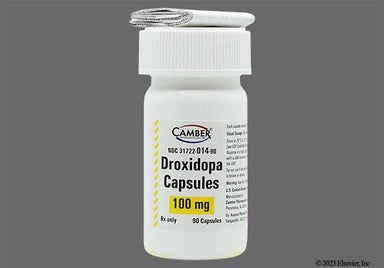
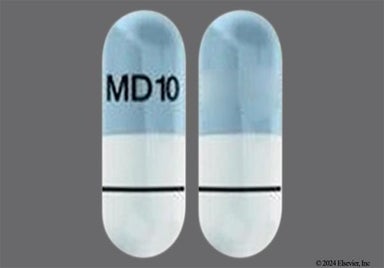
Droxidopa (Northera) images