levonorgestrel / ethinyl estradiol
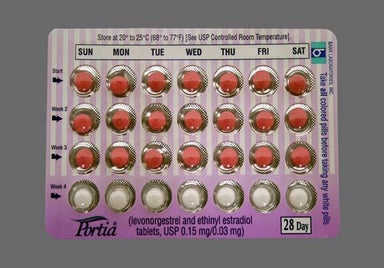
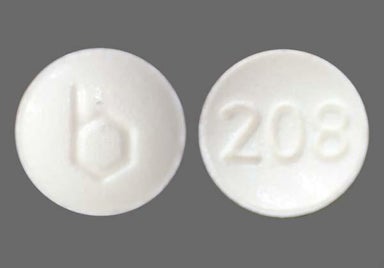
Portia is a prescription combination birth control pill that contains two hormones: ethinyl estradiol (an estrogen) and levonorgestrel (a progestin). It's used to prevent pregnancy and is taken by mouth once a day. One pack lasts 28 days and includes 21 active hormone pills and 7 inactive reminder pills. Common side effects include nausea, spotting, and breast tenderness.
Portia is a generic of the discontinued brand name Nordette. Other generics that are like Portia include Levora, Kurvelo, and Altavera.


What is Portia?
What is Portia used for?
How Portia works
Portia is a combined contraceptive that contains two hormones: ethinyl estradiol (an estrogen) and levonorgestrel (a progestin). Both hormones work together to prevent pregnancy by:
- Stopping ovulation (preventing the release of an egg) and reducing hormone changes linked to ovulation
- Thickening cervical mucus to make it harder for sperm to reach an egg
- Thinning the uterine lining, making it less likely for a fertilized egg to implant
Drug facts
| Common Brands | Portia, Marlissa, Ayuna |
|---|---|
| Drug Class | Estrogen / Progestin combined contraceptive |
| Controlled Substance Classification | Not a controlled medication |
| Generic Status | Lower-cost generic available |
| Availability | Prescription only |

Side effects of Portia
The following side effects may get better over time as your body gets used to the medication. Let your healthcare provider know immediately if you continue to experience these symptoms or if they worsen over time.
Common Side Effects
- Nausea
- Vomiting
- Bleeding between menstrual periods
- Weight gain
- Breast tenderness
- Difficulty wearing contact lenses
Less Common Side Effects
- Mood changes
- Swelling
- Stomach pain
- Change sin appetite
- Rash
- Hives
Portia serious side effects
Contact your healthcare provider immediately if you experience any of the following.
- Heart attack: chest pain, stomach discomfort, sweating, nausea, dizziness
- Stroke: sudden numbness or weakness in the arm, leg, or face, confusion, trouble seeing, headache, difficulty walking
- Deep vein thrombosis (blood clot in the leg): leg cramp, swelling, pain, muscle tightness
- Pulmonary embolism (blood clot in the lung): cough, chest pain, trouble breathing, racing heart
- Liver or gallbladder problems: yellowing of the skin or the whites of the eyes, tiredness, pain in the right upper stomach, dark urine
The following Portia side effects have also been reported
Healthy women who do not smoke cigarettes have almost no chance of having a severe side effect from taking oral contraceptives. For most women, more problems occur because of pregnancy than will occur from taking oral contraceptives. But for some women who have special health problems, oral contraceptives can cause some unwanted effects. Some of these unwanted effects include benign (not cancerous) liver tumors, liver cancer, or blood clots or related problems, such as a stroke. Although these effects are very rare, they can be serious enough to cause death. You may want to discuss these effects with your doctor.
Smoking cigarettes during the use of oral contraceptives has been found to greatly increase the chances of these serious side effects occurring. To reduce the risk of serious side effects, do not smoke cigarettes while you are taking oral contraceptives. Cigarette smoking increases the risk of serious cardiovascular side effects from oral contraceptive use. The risk increases with age and with heavy smoking (15 or more cigarettes per day) and is quite marked in women over 35 years of age.
Along with its needed effects, a medicine may cause some unwanted effects. Although not all of these side effects may occur, if they do occur they may need medical attention.
The following side effects may be caused by blood clots. Get emergency help immediately if any of the following side effects occur:
Rare
Abdominal or stomach pain (sudden, severe, or continuing)
coughing up blood
headache (severe or sudden)
loss of coordination (sudden)
loss of vision or change in vision (sudden)
pains in chest, groin, or leg (especially in calf of leg)
shortness of breath (sudden or unexplained)
slurring of speech (sudden)
weakness, numbness, or pain in arm or leg (unexplained)
Check with your doctor as soon as possible if any of the following side effects occur:
More common
usually less common after the first 3 months of oral contraceptive use
Changes in the uterine bleeding pattern at menses or between menses, such as decreased bleeding at menses, breakthrough bleeding or spotting between periods, prolonged bleeding at menses, complete stopping of menstrual bleeding that occurs over several months in a row, or stopping of menstrual bleeding that only occurs sometimes
Less common
Headaches or migraines (although headaches may lessen in many users, in others, they may increase in number or become worse)
increased blood pressure
vaginal infection with vaginal itching or irritation, or thick, white, or curd-like discharge
For women with diabetes mellitus
Mild increase of blood sugar—Faintness, nausea, pale skin, or sweating
For women who smoke tobacco
Pains in stomach, side, or abdomen
yellow eyes or skin
For women with a history of breast disease
Lumps in breast
Some side effects may occur that usually do not need medical attention. These side effects may go away during treatment as your body adjusts to the medicine. Also, your health care professional may be able to tell you about ways to prevent or reduce some of these side effects. Check with your health care professional if any of the following side effects continue or are bothersome or if you have any questions about them:
More common
Abdominal cramping or bloating
acne (usually less common after first 3 months and may improve if acne already exists)
breast pain, tenderness, or swelling
dizziness
swelling of ankles and feet
unusual tiredness or weakness
vomiting
Less common
Brown, blotchy spots on exposed skin
gain or loss of body or facial hair
increased or decreased interest in sexual intercourse
increased sensitivity of skin to sunlight
weight gain or loss
Other side effects not listed may also occur in some patients. If you notice any other effects, check with your healthcare professional.
Call your doctor for medical advice about side effects. You may report side effects to the FDA at 1-800-FDA-1088.

Pros and cons of Portia
Pros
- Taken once a day
- Can take with or without food
- Pills are in an easy-to-follow blister pack
Cons
- Higher hormone doses compared to other pills
- Side effects include nausea, vomiting, and headaches
- Doesn't protect against sexually transmitted infections (STIs)

Pharmacist tips for Portia

- Portia helps prevent pregnancy, but it doesn't protect you from human immunodeficiency virus (HIV), hepatitis, or other sexually transmitted infections (STIs). Use condoms along with Portia to lower your risk of infections.
- You can start Portia on the first day of your period (Day 1 Start) or on the first Sunday after your period begins (Sunday Start). If you choose the Sunday start, use non-hormonal back-up birth control (like condoms) for the first week, unless your period started that Sunday.
- Take Portia at the same time every day and follow the order on the pack. Setting an alarm can help you remember, since missing a dose raises your chance of pregnancy.
- When you finish a pack of Portia, start a new pack the very next day. Don't skip days between packs. This keeps hormone levels steady to prevent pregnancy.
- If you miss one active Portia pill, take it as soon as possible, then take your next pill at the usual time. If you miss more than one pill, check the instructions in your pack or call your gynecologist. You might need to use back-up birth control for a week.
- If you vomit within 3 to 4 hours after taking Portia, treat it like a missed dose. Follow the missed dose instructions or ask your pharmacist or prescriber for help.
- If you have severe vomiting or diarrhea, Portia might not work as well. Use a back-up birth control method until you can speak with your prescriber.
- Tell your healthcare team about all medications and supplements before starting Portia. Some medications can make it work less well.
- Get medical help right away if you have signs of a blood clot while taking Portia, such as trouble breathing, leg pain that doesn’t go away, or a sudden severe headache. Though rare, taking combined birth control pills, including Portia, can raise the risk of blood clots.
- Portia isn't recommended during breastfeeding since it might lower your milk supply. If you're breastfeeding, ask your prescriber about alternative birth control options.

Risks and warnings for Portia
Portia can cause some serious health issues. This risk may be even higher for certain groups. If this worries you, talk to your doctor or pharmacist about other options.
Cigarette smoking and serious heart problems
- Risk factors: Over 35 years old who smoke cigarettes
 Smoking cigarettes while using Portia can significantly raise your risk for blood clots. These blood clots can lead to more serious problems, such as heart attack and stroke. The risk is greater if you're over 35 years old and have a history of smoking cigarettes. If you smoke, talk with your gynecologist about safer birth control alternatives.
Risk of blood clot
- Risk factors: Age 35 or older and smoke | Recent surgery with a long period of bed rest | Starting Portia less than a month after childbirth | High blood pressure | | High cholesterol | People identified as obese | Diabetes | Higher dose of estrogen
Portia can raise the risk of serious blood clots because it contains ethinyl estradiol (an estrogen). Higher estrogen levels can lead to more blood proteins that stimulate clot formation. Some studies also suggest that birth control pills with drospirenone, like Portia, might have a higher risk of blood clots compared to pills with levonorgestrel or other progestins. These clots can be life-threatening and can form anywhere in your body. Get medical attention right away if you have any signs or symptoms of a blood clot:
- Brain (e.g., stroke): weakness or numbness in your arms, legs, or face on one side of the body, trouble speaking, blurry vision, dizziness, loss of balance, trouble walking, or confusion
- Eyes (e.g., retinal thrombosis): trouble seeing, bulging eye, or double vision
- Heart (e.g., heart attack): chest pain, sweating, nausea, or dizziness
- Lungs (e.g., pulmonary embolism or PE): trouble breathing, chest pain, or cough
- Legs (e.g., deep vein thrombosis or DVT): cramps, swelling, pain, or muscle tightness
Your risk of blood clots is higher if you're older, smoke cigarettes, or have certain medical conditions. It also increases if you're on bedrest after surgery or have just given birth. Your gynecologist will usually stop Portia 3-4 weeks before surgery and restart it 2 weeks after to lower your risk. If you recently delivered a baby, you should wait at least 4 weeks after delivery to start this medication, and only if you aren't breastfeeding. Talk with your gynecologist if you have any questions regarding your risk of blood clots.
Breast and cervical cancer
- Risk factors: History of breast or cervical cancer | Taking Portia for a long time
Study results are mixed, but Portia and other combined hormonal birth control pills might raise your risk for breast and cervical cancer.
Don't take Portia if you currently have or have had breast cancer because some types of breast cancer grow faster in the presence of estrogen, which is in this medication. Perform breast self-checks regularly at home and get yearly breast exams with your gynecologist to help with early detection. Let them know if you notice any new or abnormal lumps, pain, or swelling in your breasts.
Make sure you follow up with your gynecologist to get proper screenings for cervical cancer. Report any signs of vaginal bleeding or discharge that's not normal.
Liver problems
- Risk factors: Liver problems or infection in the liver | Taking Portia for more than 8 years | Certain hepatitis C medications
Don't use Portia if you have liver problems, such as hepatitis, severe cirrhosis, or liver tumors. Although rare, this medication can raise your risk of benign liver tumors. If you notice signs of liver problems, stop using Portia and talk to your gynecologist about other birth control options. Signs of liver problems include jaundice (yellowing of the skin or whites of the eyes), fever, tiredness, loss of appetite, or dark urine.
High blood pressure
- Risk factors: High blood pressure | Older age | Using COCs for a long time
Portia can raise your blood pressure. The risk is higher if you're older and have been using birth control for a long time. If you have a history of high blood pressure that's well-controlled, your prescriber might monitor you while you use Portia. If you have concerns, talk with them about the risks and benefits of using this medication.
High blood sugar and triglycerides
- Risk factors: Prediabetes or diabetes | High triglycerides
Portia can raise your blood sugar and triglycerides levels. If you have prediabetes or diabetes, your prescriber will likely monitor your blood sugar while you take this medication. High triglycerides can lead to a higher risk of pancreatitis (inflammation of the pancreas). Speak with your gynecologist before starting Portia if you have a history of high blood sugar or triglycerides. They might suggest a different birth control option or monitor your lab work more closely while you're using this medication.
Headache
Let your gynecologist know if you experience new or worsening migraines or headaches while using Portia. If you develop frequent, severe, or new headaches, you might need to stop the medication.
Irregular bleeding
People who take Portia can sometimes experience irregular bleeding and spotting, especially during the first 3 months of taking this medication. Irregular bleeding can vary from slight staining to bleeding similar to a regular period. This problem is often temporary, so continue taking your medication as directed. If your bleeding doesn't stop, becomes heavier, or you miss a period after the initial bleeding, let your gynecologist know. Your gynecologist can perform blood tests to rule out pregnancy or other potential causes for bleeding.
Depression
- Risk factors: History of depression
If you have a history of depression, your prescriber will monitor you while using Portia. If your depression gets worse or becomes serious, they might stop the medication. Let your prescriber know if you experience mood changes, sadness, or loss of interest in activities while taking this medication.
Gallbladder problems
- Risk factors: History of gallbladder problems
Some studies suggest that Portia can raise the risk of gallbladder problems since more progestin and estrogen can lead to higher chance of gallstones. Although the risk is low, talk to your gynecologist if you have a history of gallbladder problems before starting this medication.
Worsening of other health conditions
- Risk factors: History of hereditary angioedema | History of chloasma gravidarum
If you have certain conditions, such as hereditary angioedema or chloasma (a skin condition that causes dark patches on the face), talk to your prescriber before taking Portia because it might worsen your symptoms. If you have a history of chloasma, limit exposure to the sun or UV light while taking Portia.

Portia dosage
 Package
| Dosage | Quantity | Price as low as | Price per unit |
|---|---|---|---|
| 28 tablets of 0.15mg/0.03mg | 3 packages | $26.21 | $8.74 |

Interactions between Portia and other drugs
Although certain medicines should not be used together at all, in other cases two different medicines may be used together even if an interaction might occur. In these cases, your doctor may want to change the dose, or other precautions may be necessary. Tell your healthcare professional if you are taking any other prescription or nonprescription (over-the-counter [OTC]) medicine.

How much does Portia cost?
$13.07

Portia contraindications
Contraindications are specific health conditions or situations in which a person should not take a medication due to safety concerns. If you have any of the following conditions or if any of the following apply to you, let your healthcare provider know because Portia will not be safe for you to take.
- High risk for developing a blood clot
- History of blood clots, stroke, or heart attack
- Over 35 years old who smoke
- Currently have or have had a blood clot
- Blood clotting condition
- Stroke
- Coronary artery disease (CAD)
- Certain heart rhythm problems, like atrial fibrillation (AFib)
- High blood pressure that's not under control
- Diabetes with high blood pressure or organ damage
- Migraine headaches with aura
- Any migraine headaches for those over 35 years old
- Have a body mass index (BMI) at or greater than 30 kg/m²
- Liver problems or liver disease
- Unexplained vaginal bleeding that hasn't been diagnosed
- Currently have or have had breast cancer
- Take hepatitis C combination medications containing ombitasvir/paritaprevir/ritonavir

What are alternatives to Portia?

Portia images