methazolamide
Methazolamide is used to help lower eye pressure and treats eye conditions like glaucoma in adults. It belongs to the drug class called carbonic anhydrase inhibitors. Methazolamide is a tablet that's taken by mouth, and the dosage is taken 2 or 3 times a day. This medication has many potential side effects, including tingling in the arms or legs, ringing in the ears, and stomach upset. There are possible interactions with aspirin and steroids.


What is Methazolamide?
What is Methazolamide used for?
- High pressure in the eye, such as with glaucoma
How Methazolamide works
Methazolamide is a carbonic anhydrase inhibitor. It lessens the amount of fluid in the eye to lower eye pressure. This helps treat eye conditions related to high pressure in the eye, such as glaucoma.
Drug facts
| Common Brands | Neptazane |
|---|---|
| Drug Class | Carbonic anhydrase inhibitor |
| Controlled Substance Classification | Not a controlled medication |
| Generic Status | Lower-cost generic available |
| Availability | Prescription only |

Side effects of Methazolamide
The following side effects may get better over time as your body gets used to the medication. Let your healthcare provider know immediately if you continue to experience these symptoms or if they worsen over time.
Common Side Effects
- Tingling or "pins and needles" feeling in the arms or legs
- Ringing in the ears
- Weakness
- Tiredness
- Loss of appetite
- Taste changes
- Nausea
- Vomiting
- Diarrhea
- More urination
- Vision changes
Less Common Side Effects
- Drowsiness
- Confusion
- Itchiness
- Dark stools
- Blood or sugar in the urine
- Sun sensitivity
- Muscle weakness
- Kidney stones
Methazolamide serious side effects
Contact your healthcare provider immediately if you experience any of the following.
- Severe skin rash: blisters, peeling skin, fever
- Severe allergic reaction: trouble breathing, swelling of the face or throat
- Liver problems: dark colored urine, light colored stools, belly pain, yellow skin or whites of the eyes
- Low blood cell counts: fever, chills, cough, low energy, paleness, shortness of breath, easy bruising or bleeding
- Seizure
The following Methazolamide side effects have also been reported
Along with its needed effects, a medicine may cause some unwanted effects. Although not all of these side effects may occur, if they do occur they may need medical attention.
Check with your doctor immediately if any of the following side effects occur:
Rare
Shortness of breath or trouble in breathing
Check with your doctor as soon as possible if any of the following side effects occur:
More common
Unusual tiredness or weakness
Less common
Blood in urine
difficult urination
mental depression
pain in lower back
pain or burning while urinating
sudden decrease in amount of urine
Also, check with your doctor if you have any changes in your vision (especially problems with seeing faraway objects) when you first begin taking this medicine.
Some side effects may occur that usually do not need medical attention. These side effects may go away during treatment as your body adjusts to the medicine. Also, your health care professional may be able to tell you about ways to prevent or reduce some of these side effects. Check with your health care professional if any of the following side effects continue or are bothersome or if you have any questions about them:
More common
general feeling of discomfort or illness
increase in frequency of urination or amount of urine (rare with methazolamide)
loss of appetite
metallic taste in mouth
nausea or vomiting
numbness, tingling, or burning in hands, fingers, feet, toes, mouth, lips, tongue, or anus
Less common or rare
dizziness or lightheadedness
drowsiness
feeling of choking or lump in the throat
headache
increased sensitivity of eyes to sunlight
loss of taste and smell
nervousness or irritability
Other side effects not listed may also occur in some patients. If you notice any other effects, check with your healthcare professional.
Call your doctor for medical advice about side effects. You may report side effects to the FDA at 1-800-FDA-1088.

Pros and cons of Methazolamide
Pros
- Works well to lower pressure in the eyes
- A tablet that's taken by mouth, which might be an option for people who don't like to use eye drops
- Available as a lower-cost generic
Cons
- Need to take multiple times a day
- Many potential side effects, so not typically a first-choice option
- Unknown if safe or works well in children

Pharmacist tips for Methazolamide

- Spread your methazolamide doses evenly throughout the day and try to take the medication at the same times every day. This will help the medication levels stay consistent (steady) in your body.
- It's possible that you might have to go to the bathroom to urinate more often, especially when you first start taking methazolamide. Let your care team know if you need to use the bathroom often at night and it's disturbing your sleep. Your prescriber might recommend a change in your dosing schedule to help.
- Avoid driving until you know how methazolamide affects you. Methazolamide side effects can include drowsiness and vision changes, which can make driving very dangerous.
- Let your prescriber know if you're taking aspirin or a steroid medication. These medications can interact with methazolamide and lead to side effects. Your prescriber might want to follow up with you more often to make sure you're safe.
- Don't take methazolamide long term if you have closed-angle glaucoma. Methazolamide is usually only used short term before surgery for this type of glaucoma.
- Tell your prescriber if you're pregnant or thinking of becoming pregnant while you're taking methazolamide. There isn't enough information to know whether this medication is safe during pregnancy, but it caused harm to babies in animal studies at high doses. Your prescriber will discuss whether the benefits of taking the medication outweigh the risks.
- Discuss safe options to treat your eye condition with your healthcare professional if you're nursing. It isn't known whether methazolamide is safe to take while you're breastfeeding.

Risks and warnings for Methazolamide
Methazolamide can cause some serious health issues. This risk may be even higher for certain groups. If this worries you, talk to your doctor or pharmacist about other options.
Severe allergic reactions
- Risk factors: History of allergy to sulfa medications
In some rare cases, people who took methazolamide have had serious allergic reactions that cause severe skin rashes, liver damage, and blood problems. Let your prescriber and pharmacist know about your medication allergies. Also tell your healthcare team if you've ever had a reaction to a sulfa medication. Get medical help right away if you have signs of an allergic reaction like hives, blistered or peeling skin, trouble breathing, or swelling of your tongue or throat.
Interaction with aspirin
- Risk factors: Taking high-dose aspirin
Let your prescriber know if you're taking aspirin every day and what aspirin dose you're taking. Carbonic anhydrase inhibitors, such as methazolamide, can interact with aspirin, especially if you're taking a high dose of aspirin. The combination can sometimes cause appetite loss, fast breathing, tiredness, and coma.
Use with caution in people with breathing or lung problems
Tell your prescriber and pharmacist if you have a breathing or lung condition, such as chronic obstructive pulmonary disease (COPD) or emphysema. Methazolamide can sometimes cause the acid levels in the body to rise, which can be problematic in people who can't breathe well.

Methazolamide dosage


Interactions between Methazolamide and other drugs
Although certain medicines should not be used together at all, in other cases two different medicines may be used together even if an interaction might occur. In these cases, your doctor may want to change the dose, or other precautions may be necessary. When you are taking any of these medicines, it is especially important that your healthcare professional know if you are taking any of the medicines listed below. The following interactions have been selected on the basis of their potential significance and are not necessarily all-inclusive.
Using medicines in this class with any of the following medicines is not recommended. Your doctor may decide not to treat you with a medication in this class or change some of the other medicines you take.
- Aspirin
- Methenamine
Using medicines in this class with any of the following medicines is usually not recommended, but may be required in some cases. If both medicines are prescribed together, your doctor may change the dose or how often you use one or both of the medicines.
- Acyclovir
- Adefovir
- Amphetamine
- Arsenic Trioxide
- Benzphetamine
- Carbamazepine
- Ceritinib
- Dextroamphetamine
- Digitalis
- Droperidol
- Furosemide
- Levomethadyl
- Lisdexamfetamine
- Memantine
- Methamphetamine
- Methotrexate
- Porfimer
- Proscillaridin
- Quinidine
- Sotalol
- Valacyclovir

How much does Methazolamide cost?
$51.04

Methazolamide contraindications
Contraindications are specific health conditions or situations in which a person should not take a medication due to safety concerns. If you have any of the following conditions or if any of the following apply to you, let your healthcare provider know because Methazolamide will not be safe for you to take.
- Low sodium or potassium levels
- Kidney problems
- Liver problems
- Adrenal gland problems
- High acid levels in the body (hyperchloremic acidosis)
- Long-term use for closed-angle glaucoma

What are alternatives to Methazolamide?

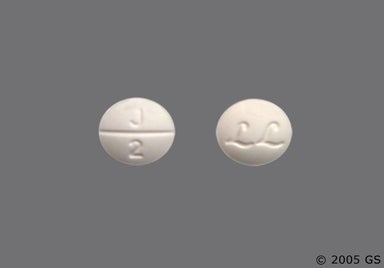
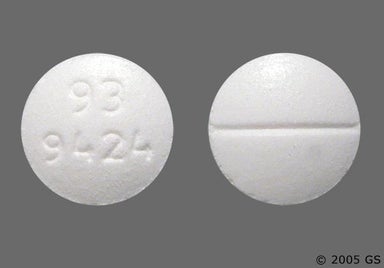
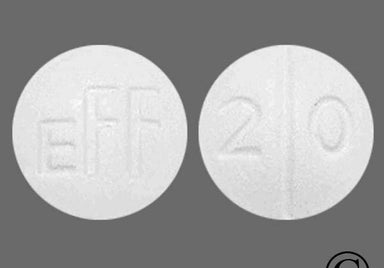
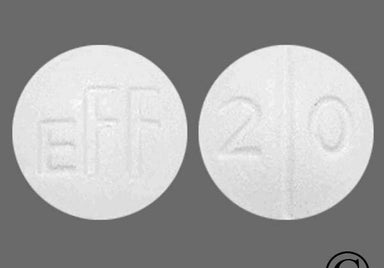
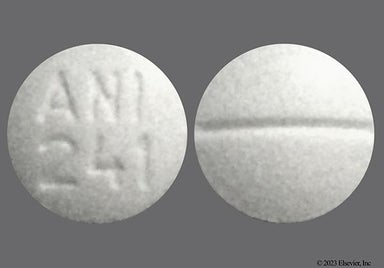
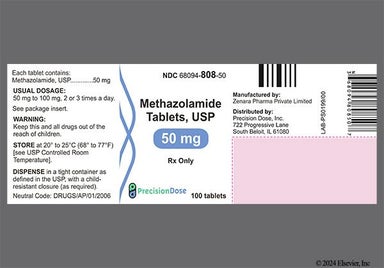
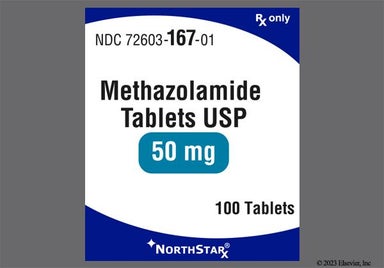
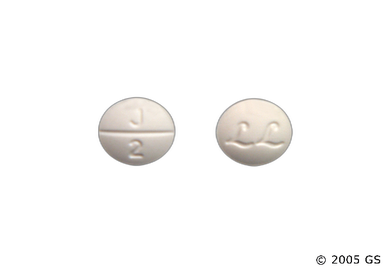
Methazolamide images