



Memantine’s Mechanism of Action: How This Medication for Alzheimer’s Disease Works
Learn how memantine, also known as Nameda, works. Our experts explain everything to know about its mechanism of action.
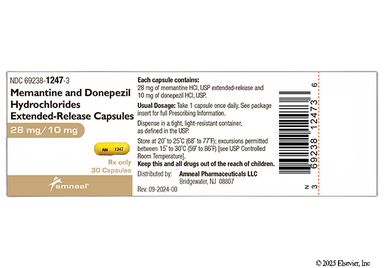
Namzaric (memantine / donepezil ER) is a combination medication used to treat moderate-to-severe dementia in people with Alzheimer's disease. It contains memantine (an NMDA antagonist) and donepezil (an acetylcholinesterase inhibitor). It's only for people who are already taking 10 mg of donepezil daily, and it doesn't have generic versions available as of Fall 2024. The usual dosage is to take one capsule by mouth once daily in the evening. Some potential side effects include dizziness and diarrhea.

Namzaric (memantine / donepezil ER) is a combination of two medications that work together to treat Alzheimer's disease (AD):
| Common Brands | Namzaric |
|---|---|
| Drug Class | NMDA antagonist / Acetylcholinesterase inhibitor |
| Controlled Substance Classification | Not a controlled medication |
| Generic Status | Lower-cost generic available |
| Availability | Prescription only |

The following side effects may get better over time as your body gets used to the medication. Let your healthcare provider know immediately if you continue to experience these symptoms or if they worsen over time.
Contact your healthcare provider immediately if you experience any of the following.
Side effects that you should report to your care team as soon as possible:
Side effects that usually do not require medical attention (report these to your care team if they continue or are bothersome):




Namzaric (memantine / donepezil ER) can cause some serious health issues. This risk may be even higher for certain groups. If this worries you, talk to your doctor or pharmacist about other options.
Namzaric (memantine / donepezil ER) can slow down your heartbeat. In some cases, this can lead to fainting. Let your prescriber know if you have any falls or start to feel lightheaded.
Namzaric (memantine / donepezil ER) can raise the amount of stomach acid your body makes, which can put you at risk for stomach ulcers and bleeding. NSAIDs and many over-the-counter cold and pain medications can also raise your risk of stomach bleeds, so you might want to avoid taking these medications at the same time. Talk to your prescriber if you have a worsening upset stomach, heartburn, indigestion, or blood in the stool.
Nausea, vomiting, and diarrhea are common side effects of Namzaric (memantine / donepezil ER). These side effects are usually mild and tend to go away on their own within 1 to 3 weeks. Let your care team know if these symptoms become bothersome or prevent you from taking your medication daily.
Namzaric (memantine / donepezil ER) can cause problems with urination by blocking the flow from your bladder. Let your prescriber know if you notice any changes in your urination, such as difficulty or pain while urinating.
Namzaric (memantine / donepezil ER) might cause seizures. But seizures are often linked to Alzheimer's disease itself. Speak with your prescriber if you experience seizures while taking this medication.
Namzaric (memantine / donepezil ER) should be used carefully in people with lung conditions like asthma or chronic obstructive pulmonary disease (COPD). That's because the donepezil in it increases a chemical called acetylcholine, which can make airways narrower. This can make it harder to breathe and potentially worsen these conditions. Let your prescriber know if you have a history of breathing problems to make sure it's safe for you.


Contraindications are specific health conditions or situations in which a person should not take a medication due to safety concerns. If you have any of the following conditions or if any of the following apply to you, let your healthcare provider know because Namzaric (memantine / donepezil ER) will not be safe for you to take.
Allergy to piperidine medications (e.g., trihexyphenidyl)




Prescription savings
Stop paying too much for your prescriptions. Compare prices, get pharmacy coupons, and save up to 80%.Resources
About GoodRx
 Find expert answers to your health questions so you can make the best decisions for yourself and your family.
Health conditions
Medications & treatment
Access & affordability
Well-being
Medication discounts

There currently isn't a cure for Alzheimer's disease. But medications like Namzaric can help manage symptoms and slow down the worsening of AD. Memantine, one of the medications in Namzaric, can delay the worsening of learning and memory problems. It can also help people perform daily activities for longer, like brushing teeth and getting dressed. Donepezil, the other medication in Namzaric, has shown modest improvements in thinking and memory compared to people taking a placebo. But over time, AD will continue to get worse — with or without these medications.
It's best to take Namzaric at night because it can sometimes cause dizziness and drowsiness. Taking the medication in the evening closer to bedtime allows you to sleep through some side effects.
No, Namzaric isn't an antipsychotic. It has two medications: memantine (an NMDA antagonist) and donepezil (an acetylcholinesterase inhibitor). These medications affect different brain chemicals compared to antipsychotic medications.
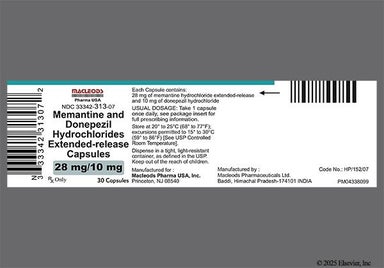
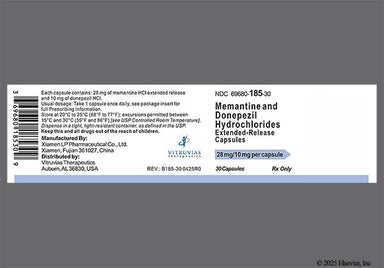
No, there isn't currently a generic available for Namzaric as of Fall 2024. But there could be a generic version as early as January 2025.
No, Namzaric and memantine (Namenda) aren't the same. Namzaric is a combination of two medications, memantine and donepezil, while Namenda contains only memantine.Namzaric is an extended-release medication, meaning it's slowly released in your body over time. Memantine (Namenda) is available in both immediate-release (released quickly and doesn’t last as long) and extended-release forms.
Don't stop taking Namzaric without consulting your prescriber. Doing so could cause withdrawal symptoms like unusual mood and behavior changes. Work with your prescriber to stop this medication safely. They might recommend slowly lowering your dose until stopping it completely.
No, Namzaric isn't considered a controlled substance. It does, however, require a prescription and should only be used when prescribed by a healthcare professional.
