


Can You Take Zinc and Magnesium Together?
Yes, you can take zinc and magnesium together. Zinc and magnesium are often combined in supplements, though high doses may need to be taken separately.
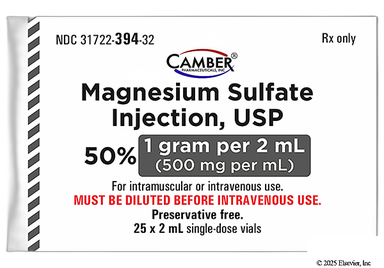
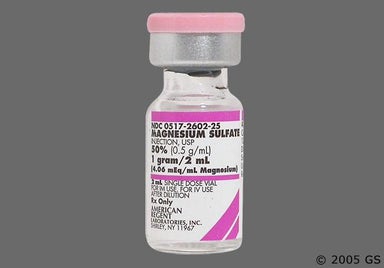
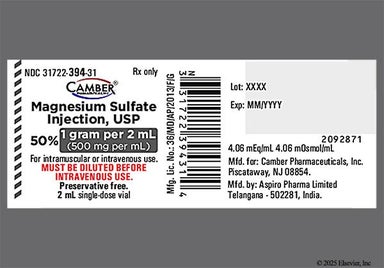
Magnesium sulfate is typically used in the hospital to treat or prevent low magnesium levels. It's also used to prevent and manage seizures in preeclampsia-eclampsia (a complication of pregnancy). Additionally, magnesium sulfate may be used for other conditions. It's a generally well-tolerated medication and usually given as an injection by a healthcare provider.

| Common Brands | None available |
|---|---|
| Drug Class | Electrolyte |
| Controlled Substance Classification | Not a controlled medication |
| Generic Status | No lower-cost generic available |
| Availability | Prescription only |


Although certain medicines should not be used together at all, in other cases two different medicines may be used together even if an interaction might occur. In these cases, your doctor may want to change the dose, or other precautions may be necessary. Tell your healthcare professional if you are taking any other prescription or nonprescription (over-the-counter [OTC]) medicine.




Prescription savings
Stop paying too much for your prescriptions. Compare prices, get pharmacy coupons, and save up to 80%. Find expert answers to your health questions so you can make the best decisions for yourself and your family.
Health conditions
Medications & treatment
Access & affordability
Medication discounts

Magnesium Sulfate is an electrolyte supplement that's typically given in the hospital as an injection by a healthcare provider. It can help raise your blood magnesium levels if it gets too low. Magnesium Sulfate can also help prevent seizures that can happen if you're pregnant and have severe preeclampsia-eclampsia. There are several other uses of Magnesium Sulfate that aren't FDA approved, but are recommended by certain reputable, professional organizations based on clinical evidence ("off-label" use). The American Heart Association/American College of Cardiology (AHA/ACC) recommends Magnesium Sulfate as a first-choice medication for a severe, irregular heart rhythm called torsades de pointes. Additionally, the Global Initiative for Asthma (GINA) guidelines recommend Magnesium Sulfate as an option for severe asthma exacerbations that haven't improved enough with initial treatments.
Magnesium plays several important roles to help you stay healthy. This electrolyte is important for muscle and nerve function, as well as for maintaining a normal heartbeat. Additionally, magnesium is required for hundreds of other processes in your body to work properly.
The dose for Magnesium Sulfate varies widely, depending on why you need the medication. Your or your child's provider will determine the right dose. People with kidney problems typically need lower doses than usual. This helps prevent high magnesium levels that can occur when the kidneys don't work as well, since the kidneys help regulate the levels of this electrolyte in the body.
Magnesium Sulfate is a generally well-tolerated medication and doesn't have many side effects. Some possible side effects include flushing or a feeling of warmth during administration of the medication. If Magnesium Sulfate is given too quickly through the veins or too high of a dose is used, it could cause low blood pressure.
