

From Antibiotics to Calcium: 8 Magnesium Interactions to Be Aware Of
Learn common interactions to know about when taking magnesium, including medications and supplements.
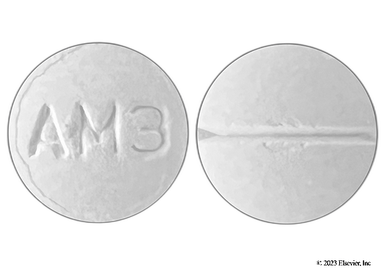
Magnesium oxide is an antacid that's used to relieve symptoms of acid reflux, such as heartburn, indigestion, and upset stomach. Some other magnesium oxide products can also be used as a supplement for many other health problems, including low magnesium levels. Some side effects can include diarrhea, nausea, and stomach cramping. Magnesium oxide is available as a tablet that you take by mouth and is found over the counter.

Magnesium oxide is an antacid. It neutralizes the acid in your stomach. This helps relieve heartburn, indigestion, and upset stomach.
Magnesium oxide can also be used as a dietary supplement for people who have low blood magnesium levels. Magnesium is important to your health. It helps your body systems, like your nerves, muscles, and heart, work well.
| Common Brands | None available |
|---|---|
| Drug Class | Antacid |
| Controlled Substance Classification | Not a controlled medication |
| Generic Status | Lower-cost generic available |
| Availability | Over-the-counter |

The following side effects may get better over time as your body gets used to the medication. Let your healthcare provider know immediately if you continue to experience these symptoms or if they worsen over time.
Contact your healthcare provider immediately if you experience any of the following.
Side effects that you should report to your care team as soon as possible:
Side effects that usually do not require medical attention (report to your care team if they continue or are bothersome):




Magnesium oxide can cause some serious health issues. This risk may be even higher for certain groups. If this worries you, talk to your doctor or pharmacist about other options.
A possible side effect of magnesium oxide is diarrhea. Since you can lose a lot of fluids from your body when you have diarrhea, you might be at risk of getting dehydrated. Contact your provider if you feel dehydrated or have signs of dehydration (e.g., dry mouth, not urinating as much, lightheadedness, dizziness, headache). If you experience diarrhea that's bothersome or if you get dehydrated, your provider can recommend ways to help manage these problems.
Having kidney problems or taking too much magnesium oxide can cause your blood magnesium levels to be too high and lead to serious side effects. Early symptoms of high magnesium levels can include dizziness, flushed skin, nausea, vomiting, and having lower energy. Call your healthcare provider right away if you experience any of these symptoms. Sometimes high magnesium levels can become more serious and lead to difficulty breathing, muscle weakness, and abnormal heartbeat. If this happens, get emergency help right away.

 Tablet
| Dosage | Quantity | Price as low as | Price per unit |
|---|---|---|---|
| 400mg | 90 tablets | $7.35 | $0.08 |
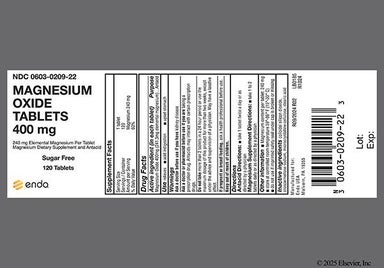
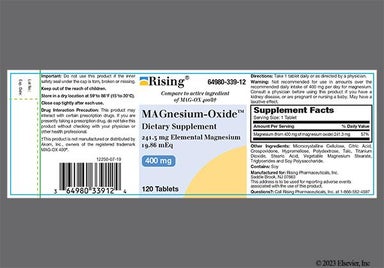
Magnesium oxide 400 mg tablets
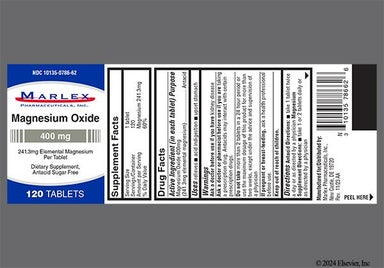
Magnesium oxide 420 mg tablets







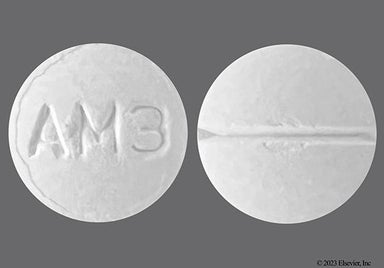
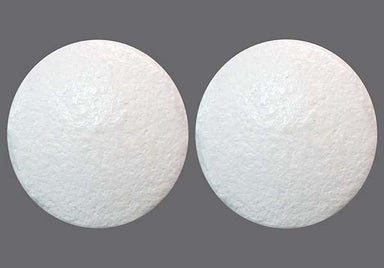
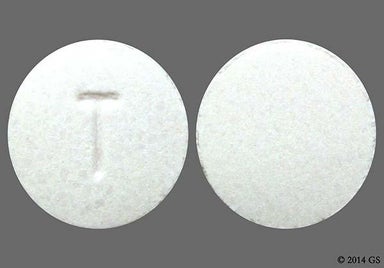

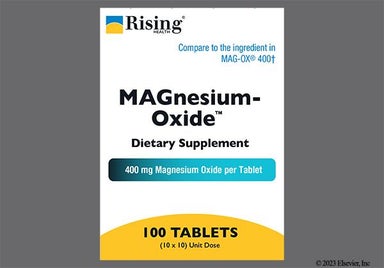
Prescription savings
Stop paying too much for your prescriptions. Compare prices, get pharmacy coupons, and save up to 80%. Find expert answers to your health questions so you can make the best decisions for yourself and your family.
Health conditions
Medications & treatment
Access & affordability
 Our monthly healthcare membership can help you save thousands on your prescription costs.
Resources

Both Magnesium Oxide and magnesium citrate are magnesium products that are available over the counter. Magnesium Oxide is a tablet that's typically used as an antacid for heartburn and indigestion. Magnesium citrate is a liquid that's commonly used for constipation. Each medication provides a different amount of magnesium because they differ in how well they're absorbed into your body. This can affect the chance of experiencing side effects from the magnesium product (e.g., diarrhea). Ask your provider or pharmacist if you're not sure which magnesium product best fits your needs.
Yes, it's possible for any magnesium supplement, including Magnesium Oxide, to cause diarrhea. If you experience diarrhea when you take Magnesium Oxide, make sure to stay hydrated to avoid dehydration.
Some providers consider using Magnesium Oxide to treat constipation. In fact, the clinical guidelines for long-term constipation say that Magnesium Oxide is a possible option to help with constipation when additional fiber isn't enough. If you're having constipation problems, it's best to ask your provider how much Magnesium Oxide you can safely take because taking too much can raise your magnesium levels too high, which can be dangerous.
Research isn't completely clear on whether or not Magnesium Oxide actually helps with sleep. A review of three trials found that people who took magnesium supplements had some improvement in sleep, but it wasn't a significant enough of a difference from those who weren't taking magnesium. If you're having trouble sleeping, it's best to see your provider. They'll ask you questions to see whether simply making lifestyle changes, like limiting caffeine or reducing screen time, can help over taking a supplement like Magnesium Oxide.
Based on a small study, it's possible that Magnesium Oxide might be a safe and effective way to help prevent migraines during pregnancy. More research is needed in this area, so make sure to talk to your provider before using Magnesium Oxide about its risks and benefits. They can help make sure you need to take it and that it's safe for you.
If you have kidney problems, you might be at risk of side effects and magnesium toxicity if you take Magnesium Oxide. This is because when you have kidney problems, your body might not be able to get rid of magnesium as well. As a result, magnesium can build up in the blood and cause dangerous side effects, like dizziness, low energy, nausea vomiting, and muscle weakness. If you have kidney problems, ask your provider if Magnesium Oxide is safe for you to use.
It depends on what you're using Magnesium Oxide for. If you're using Magnesium Oxide as an antacid to relieve acid reflux, then you can use it as you need it (but no more than twice per day). However, Magnesium Oxide is typically taken every day to help with low magnesium levels. Ask your provider before using Magnesium Oxide to see how long and how often you need to take this product.
