


Anxiety and IBS: What’s the Connection?
Do your irritable bowel syndrome (IBS) symptoms get worse when you’re anxious or stressed? Explore the link between IBS and anxiety, and learn coping strategies.
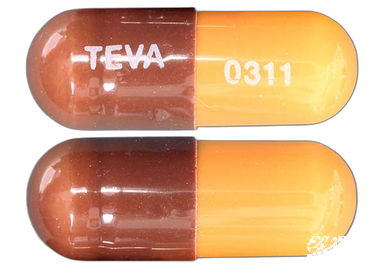
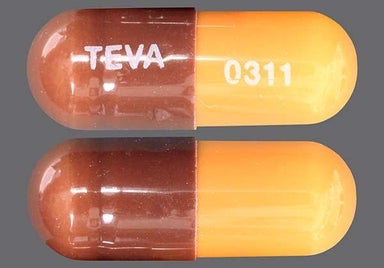
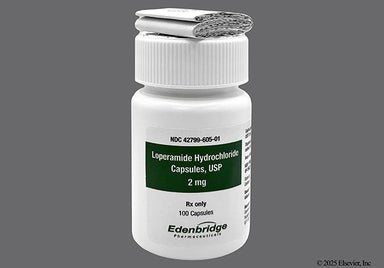
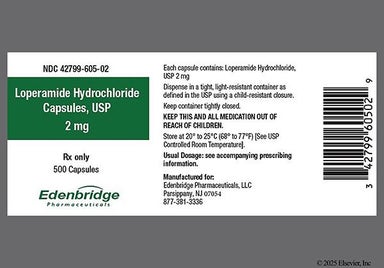
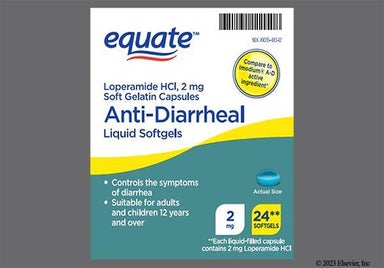
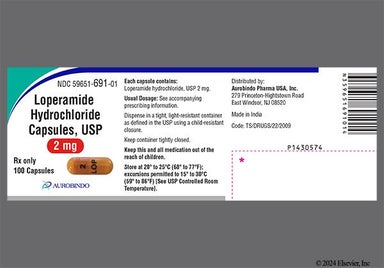
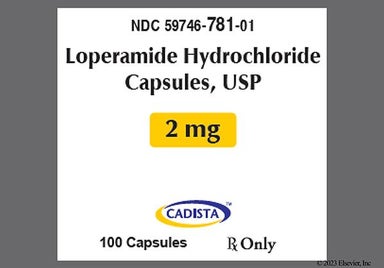
Loperamide (Imodium A-D) is an antidiarrheal medication. It's available over-the-counter to treat diarrhea in kids and adults, including travelers' diarrhea. Loperamide is also available by prescription to treat diarrhea caused by certain gut-related conditions, like Crohn’s disease. Loperamide comes in tablets, capsules, and an oral liquid. It's taken by mouth, typically after each loose stool until diarrhea is under control. Some side effects of loperamide (Imodium A-D) include dizziness, drowsiness, and constipation.

Loperamide (Imodium A-D) is an antidiarrheal medication. It works on the muscles of your intestines (gut) to slow down bowel movements. The medication also lowers the amount of fluid that enters your gut. This allows for a longer period of time between bowel movements and time to make formed stools.
| Common Brands | Imodium A-D |
|---|---|
| Drug Class | Antidiarrheal |
| Controlled Substance Classification | Not a controlled medication |
| Generic Status | Lower-cost generic available |
| Availability | Prescription or over-the-counter |

The following side effects may get better over time as your body gets used to the medication. Let your healthcare provider know immediately if you continue to experience these symptoms or if they worsen over time.
Contact your healthcare provider immediately if you experience any of the following.
Along with its needed effects, a medicine may cause some unwanted effects. Although not all of these side effects may occur, if they do occur they may need medical attention.
Check with your doctor immediately if any of the following side effects occur:
Incidence not known
Blistering, peeling, loosening of skin
chest pain or discomfort
chills
decrease in urine volume
decrease in frequency of urination
difficulty in passing urine
fainting
fast, pounding, or irregular heartbeat or pulse
irregular or slow heartbeat
joint or muscle pain
large, hive-like swelling on the face, eyelids, lips, tongue, throat, hands, legs, feet, sex organs
no blood pressure or pulse
palpitations
red irritated eyes
redness of the skin
red skin lesions, often with a purple center
sores, ulcers, or white spots in the mouth or on the lips
stopping of heart
unconsciousness
unusual tiredness or weakness
Some side effects may occur that usually do not need medical attention. These side effects may go away during treatment as your body adjusts to the medicine. Also, your health care professional may be able to tell you about ways to prevent or reduce some of these side effects. Check with your health care professional if any of the following side effects continue or are bothersome or if you have any questions about them:
Other side effects not listed may also occur in some patients. If you notice any other effects, check with your healthcare professional.
Call your doctor for medical advice about side effects. You may report side effects to the FDA at 1-800-FDA-1088.




Loperamide (Imodium A-D) can cause some serious health issues. This risk may be even higher for certain groups. If this worries you, talk to your doctor or pharmacist about other options.
 There have been cases of serious, sometimes life-threatening heart problems when people have taken more than the maximum daily dose of loperamide (Imodium A-D). Your risk for heart problems might be higher if you're taking other medications that can affect your heart rhythm. Loperamide (Imodium A-D) should always be used as directed and should never be used in children younger than 2 years old.
Loperamide (Imodium A-D) slows down movement in your gut, which can sometimes lead to a buildup of gas and liquids. Stop taking this medication and contact your primary care provider if you become constipated or notice bloating or swelling in your stomach area.
In some rare cases, some people taking loperamide (Imodium A-D) have experienced a life-threatening allergic reaction. Get medical help right away if you notice swelling in your face, tongue, lips, or throat, or if you have trouble breathing or a rash.

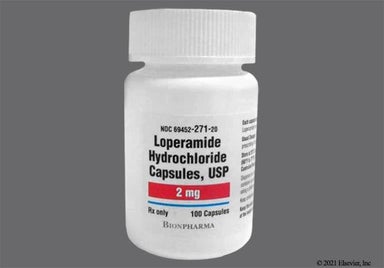
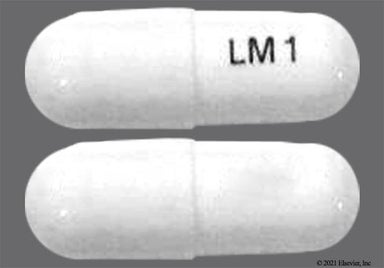
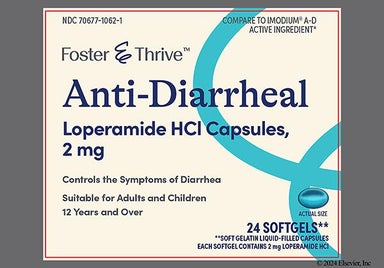
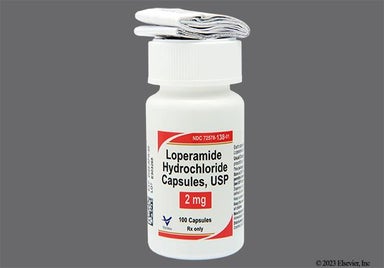
 Capsule
| Dosage | Quantity | Price as low as | Price per unit |
|---|---|---|---|
| 2mg | 30 capsules | $9.77 | $0.33 |
The dosing of loperamide differs depending on whether you're taking the over-the-counter (OTC) medication or the prescription medication.

Although certain medicines should not be used together at all, in other cases two different medicines may be used together even if an interaction might occur. In these cases, your doctor may want to change the dose, or other precautions may be necessary. When you are taking this medicine, it is especially important that your healthcare professional know if you are taking any of the medicines listed below. The following interactions have been selected on the basis of their potential significance and are not necessarily all-inclusive.
Using this medicine with any of the following medicines is usually not recommended, but may be required in some cases. If both medicines are prescribed together, your doctor may change the dose or how often you use one or both of the medicines.
Using this medicine with any of the following medicines may cause an increased risk of certain side effects, but using both drugs may be the best treatment for you. If both medicines are prescribed together, your doctor may change the dose or how often you use one or both of the medicines.


Contraindications are specific health conditions or situations in which a person should not take a medication due to safety concerns. If you have any of the following conditions or if any of the following apply to you, let your healthcare provider know because Loperamide (Imodium A-D) will not be safe for you to take.

















Prescription savings
Stop paying too much for your prescriptions. Compare prices, get pharmacy coupons, and save up to 80%. Find expert answers to your health questions so you can make the best decisions for yourself and your family.
Health conditions
Medications & treatment
Access & affordability
Medication discounts


You might notice an improvement in diarrhea symptoms about an hour after your dose of Loperamide. But if you don't, you can take a dose (up to the maximum recommended daily dose) after each loose stool until your symptoms get better. If you're taking over-the-counter Loperamide, contact your primary care provider if your symptoms become worse after taking the medication or if the diarrhea lasts for more than 2 days. These are signs that you might need more medical attention.
How long the effects of Loperamide last might differ from person to person. Some people might notice an improvement in their symptoms after a couple of doses. But others might need to take Loperamide for a longer period of time. If you're taking over-the-counter Loperamide, you should get medical help if you continue to have diarrhea for more than 2 days or if your symptoms worsens. A healthcare provider can check to see if you need more medical attention.
Loperamide can interact with some medications, including certain antidepressants and heartburn medications. Make sure to go over a list of your current medications with a healthcare professional before taking Loperamide. Additionally, you should avoid eating grapefruit or drinking grapefruit juice. Grapefruit products can raise your risk of side effects from Loperamide.
In general, you can take Loperamide after each loose stool you have up to the maximum daily dose. It's important to follow the directions on the label or the way your prescriber instructed you to take Loperamide. This is because taking too much could lead to serious side effects. The FDA made some changes to OTC packaging to make sure people don't take too much. Ask your pharmacist if you have other questions about how often you can take Loperamide.
There isn't enough information to know if Loperamide is safe to take during pregnancy. Results from animal studies suggest Loperamide won't cause harm to unborn babies, but results form human studies have been mixed. So your care team might only recommend Loperamide during pregnancy if the benefits of this medication is greater than the risks of harm. If you're pregnant or thinking of becoming pregnant, speak to your obstetrician-gynecologist (OB-GYN) about safe options to manage symptoms of diarrhea.
If you're taking over-the-counter Loperamide, you can take a dose after each loose stool, up to the maximum daily dose. But if you're taking Loperamide for a chronic gut-related condition, a healthcare professional might instruct you to take this medication different. Talk to your healthcare team if you're not sure when or how to take Loperamide.
Lomotil (diphenoxylate / atropine) and Loperamide are both antidiarrheal medications, but they have a few differences. Lomotil (diphenoxylate / atropine) is only available with a prescription and is a controlled substance, whereas Loperamide is available both over the counter and with a prescription. Lomotil contains two ingredients: diphenoxylate, an opioid which works to slow down the gut similar to Loperamide, and atropine to discourage misusing the medication. Discuss the best treatment option to manage your diarrhea with your healthcare team.
Ask your child's pediatrician whether it's appropriate for your child to take Loperamide. If the diarrhea is caused by food or a virus, the symptoms should improve after a couple of days without medication. Your child's care team might ask you to keep an eye on the symptoms, and help your child stay hydrated and stick to a more bland diet during this time. But if needed, their care team might recommend Loperamide for a short period of time. Keep in mind the OTC Loperamide should only be taken by children ages 6 years and older; the prescription-strength loperamide might be prescribed for children ages 2 years and older, under the guidance of their healthcare provider. Ask your child's healthcare team if you've more questions about whether your child needs Loperamide.
