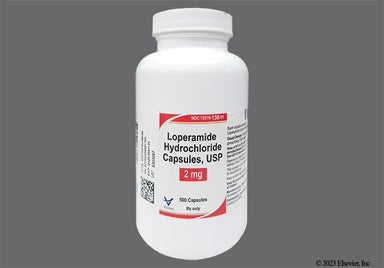
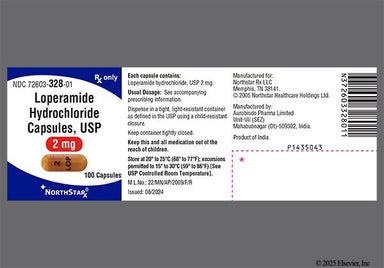
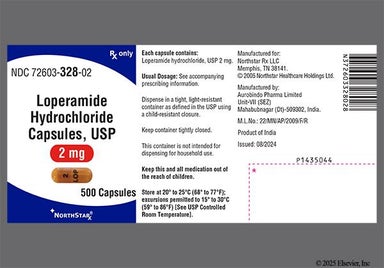
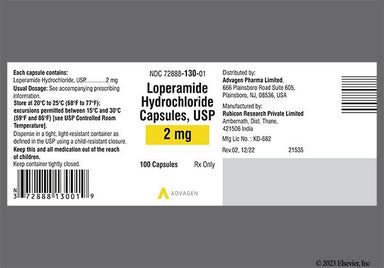
Loperamide (Imodium A-D) is an antidiarrheal medication. It's available over-the-counter to treat diarrhea in kids and adults, including travelers' diarrhea. Loperamide is also available by prescription to treat diarrhea caused by certain gut-related conditions, like Crohn’s disease. Loperamide comes in tablets, capsules, and an oral liquid. It's taken by mouth, typically after each loose stool until diarrhea is under control. Some side effects of loperamide (Imodium A-D) include dizziness, drowsiness, and constipation.
Controlling symptoms of diarrhea - OTC and prescription
Controlling diarrhea related to chronic gut-related conditions - prescription only
Lowering the amount of discharge from an ileostomy - prescription only
How Loperamide (Imodium A-D) works
Loperamide (Imodium A-D) is an antidiarrheal medication. It works on the muscles of your intestines (gut) to slow down bowel movements. The medication also lowers the amount of fluid that enters your gut. This allows for a longer period of time between bowel movements and time to make formed stools.
The following side effects may get better over time as your body gets used to the medication. Let your healthcare provider know immediately if you continue to experience these symptoms or if they worsen over time.
Common Side Effects
Dizziness
Drowsiness
Tiredness
Constipation
Less Common Side Effects
Nausea
Stomach cramps
Loperamide (Imodium A-D) serious side effects
Contact your healthcare provider immediately if you experience any of the following.
Stomach swelling (bloating)
Severe allergic reaction: hives; trouble breathing; swelling of the lips, face, throat, or tongue
The following Loperamide (Imodium A-D) side effects have also been reported
Along with its needed effects, a medicine may cause some unwanted effects. Although not all of these side effects may occur, if they do occur they may need medical attention.
Check with your doctor immediately if any of the following side effects occur:
Some side effects may occur that usually do not need medical attention. These side effects may go away during treatment as your body adjusts to the medicine. Also, your health care professional may be able to tell you about ways to prevent or reduce some of these side effects. Check with your health care professional if any of the following side effects continue or are bothersome or if you have any questions about them:
Available as a liquid product for people who have trouble swallowing pills
Cons
Can cause dizziness and drowsiness
Only treats symptoms of diarrhea, not the condition that's causing the diarrhea in the first place
Can't use in children younger than 2 years old
Pharmacist tips for Loperamide (Imodium A-D)
Before taking loperamide (Imodium A-D), share all of the medications you're taking or planning to take with your pharmacist or another healthcare professional. They can make sure your medications are safe to take together.
Don't use loperamide (Imodium A-D) if you have bloody or black stools. Ask your primary care provider before taking it if you have a fever or mucus in your stool.
If you have a history of liver problems or heart rhythm problems, loperamide (Imodium A-D) might not be the best option for you. Talk with your primary care provider about other options for treating your diarrhea symptoms.
Ask your healthcare team to see if any of your current medications interact with loperamide (Imodium A-D). You shouldn't take loperamide (Imodium A-D) with any medications that can affect heart rhythm, such as certain antipsychotics, because doing so can raise the risk of serious heart rhythm problems.
Follow the directions on the package, and take loperamide (Imodium A-D) after loose stools. Keep a tally of how many tablets or capsules or how much of the liquid you've taken each day. This makes sure you don't go over the maximum amount in a 24-hour period.
For the oral liquid: Keep the oral liquid bottle at room temperature. Make sure you shake it well before using. Use the dosing cup that comes with the bottle to measure your dose. Don't use kitchen or measuring spoons since these might not be accurate.
Drink plenty of clear liquids while you're treating your diarrhea with loperamide (Imodium A-D). Having diarrhea can make you dehydrated.
Loperamide (Imodium A-D) can cause dizziness, drowsiness, or tiredness. Don't drive or do anything that requires you to focus until you know how the medication affects you.
Stop using loperamide (Imodium A-D) and call your primary care provider if your diarrhea lasts more than 2 days, your symptoms get worse after using this medication, or you notice your stomach is swelling or bulging.
Keep loperamide (Imodium A-D) out of reach of children. If you or a loved one accidentally takes too much loperamide (Imodium A-D), get medical help or call a Poison Control Center at 1-800-222-1222 right away.
Risks and warnings for Loperamide (Imodium A-D)
Loperamide (Imodium A-D) can cause some serious health issues. This risk may be even higher for certain groups. If this worries you, talk to your doctor or pharmacist about other options.
Risk of serious heart rhythm problems
Risk factors: Young children | Older adults | Taking higher than recommended doses per day | History of heart rhythm problems | Taking other medications that affect heart rhythm | Misuse of loperamide (Imodium A-D)
There have been cases of serious, sometimes life-threatening heart problems when people have taken more than the maximum daily dose of loperamide (Imodium A-D). Your risk for heart problems might be higher if you're taking other medications that can affect your heart rhythm. Loperamide (Imodium A-D) should always be used as directed and should never be used in children younger than 2 years old.
Stomach problems
Loperamide (Imodium A-D) slows down movement in your gut, which can sometimes lead to a buildup of gas and liquids. Stop taking this medication and contact your primary care provider if you become constipated or notice bloating or swelling in your stomach area.
Severe allergic reaction
In some rare cases, some people taking loperamide (Imodium A-D) have experienced a life-threatening allergic reaction. Get medical help right away if you notice swelling in your face, tongue, lips, or throat, or if you have trouble breathing or a rash.
Loperamide (Imodium A-D) dosage
The average cost for 30 capsules of 2mg of Loperamide (Imodium A-D) is $15.43 with a free GoodRx coupon. This is 53.61% off the average retail price of $33.26.
Adults and children ages 12 years and older: The typical dose is 4 mg by mouth after the first loose stool. After that, take 2 mg after each loose stool you have. Don't take more than 8 mg in 24 hours.
Children ages 9 to 11 years, or children who weigh 60 lbs to 95 lbs: The typical dose is 2 mg by mouth after the first loose stool. After that, give 1 mg after each loose stool your child has. Don't give more than 6 mg in 24 hours.
Children ages 6 to 8 years, or children who weigh 48 lbs to 59 lbs: The typical dose is 2 mg by mouth after the first loose stool. After that, give 1 mg after each loose stool your child has. Don't give more than 4 mg in 24 hours.
Children 5 years and younger, or children who weigh less than 48 lbs: Ask your child's pediatrician to see what other options are available to treat your child's diarrhea.
Adults and children 13 years and older: The typical dose is 4 mg by mouth after the first loose stool. After that, take 2 mg after each loose stool you have. Don't take more than 16 mg in 24 hours. For adults with long-term diarrhea only, your healthcare professional might adjust your dose depending on how well the medication improves your symptoms.
Children 12 years and younger: Your child's pediatrician will determine the dose based on your child's age, body weight, and symptoms. Follow their instructions carefully.
Interactions between Loperamide (Imodium A-D) and other drugs
Loperamide (Imodium A-D) may interact with certain medications or supplements. Always let your doctor and pharmacist know about any other medications or supplements (including prescribed and over-the-counter medications, vitamins, and dietary or herbal supplements) that you are currently taking. The list below does not include all possible drug interactions with Loperamide (Imodium A-D). Please note that only the generic name of each medication is listed below.
Although certain medicines should not be used together at all, in other cases two different medicines may be used together even if an interaction might occur. In these cases, your doctor may want to change the dose, or other precautions may be necessary. When you are taking this medicine, it is especially important that your healthcare professional know if you are taking any of the medicines listed below. The following interactions have been selected on the basis of their potential significance and are not necessarily all-inclusive.
Using this medicine with any of the following medicines is usually not recommended, but may be required in some cases. If both medicines are prescribed together, your doctor may change the dose or how often you use one or both of the medicines.
Capmatinib
Lasmiditan
Saquinavir
Simeprevir
Venetoclax
Using this medicine with any of the following medicines may cause an increased risk of certain side effects, but using both drugs may be the best treatment for you. If both medicines are prescribed together, your doctor may change the dose or how often you use one or both of the medicines.
Contraindications are specific health conditions or situations in which a person should not take a medication due to safety concerns. If you have any of the following conditions or if any of the following apply to you, let your healthcare provider know because Loperamide (Imodium A-D) will not be safe for you to take.
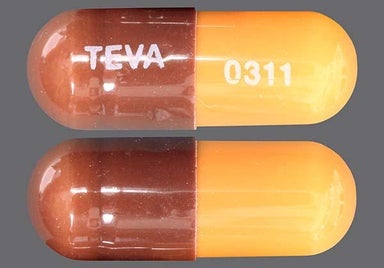
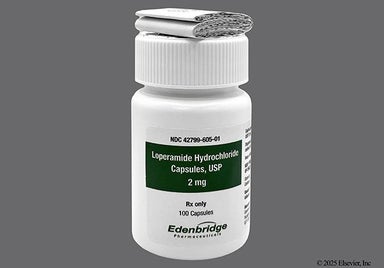
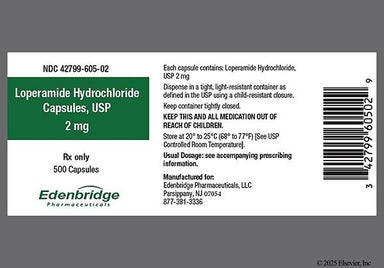
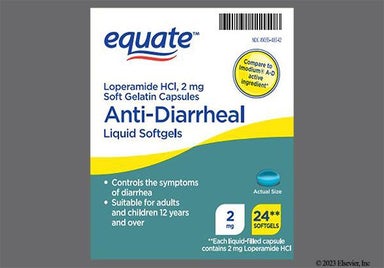
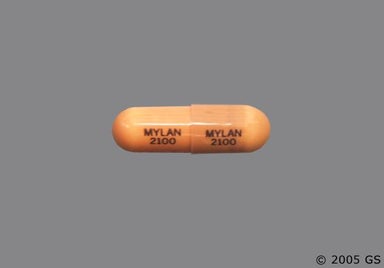
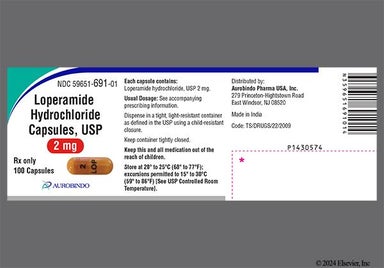
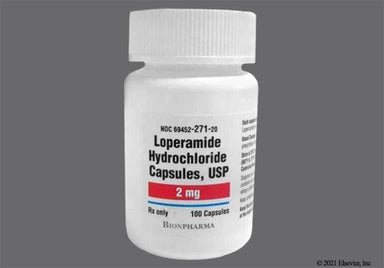
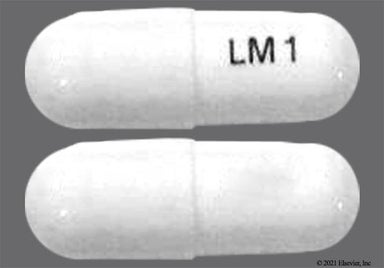
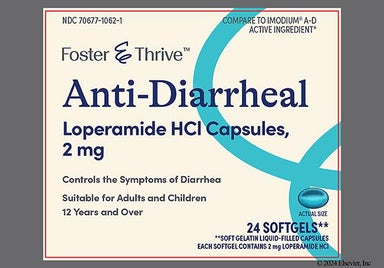
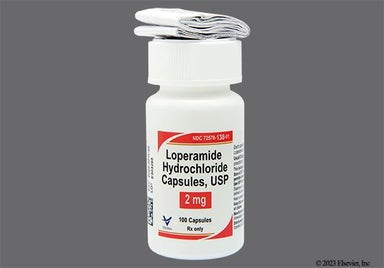
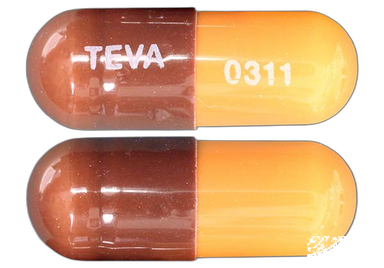
This medicine is Brown Capsule Imprinted With "Teva 0311".Brown Capsule TEVA 0311 - Loperamide Hydrochloride 2mg CapsuleThis medicine is Brown Capsule Imprinted With "Mylan 2100 Mylan 2100".Brown Capsule MYLAN 2100 MYLAN 2100 - Loperamide Hydrochloride 2mg CapsuleThis medicine is Brown Capsule Imprinted With "Logo 605".Brown Capsule LOGO 605 - Loperamide Hydrochloride 2mg CapsuleThis medicine is Brown Capsule Imprinted With "Logo 605".Brown Capsule LOGO 605 - Loperamide Hydrochloride 2mg CapsuleThis medicine is Blue Capsule Imprinted With "Lp2".Blue Capsule LP2 - Equate Anti-Diarrheal 2mg SoftgelThis medicine is Brown Capsule Imprinted With "Mylan 2100 Mylan 2100".Brown Capsule MYLAN 2100 MYLAN 2100 - Loperamide Hydrochloride 2mg CapsuleThis medicine is Brown Capsule Imprinted With "2 Lop".Brown Capsule 2 LOP - Loperamide Hydrochloride 2mg CapsuleThis medicine is Brown Capsule Imprinted With "2 Lop".Brown Capsule 2 LOP - Loperamide Hydrochloride 2mg CapsuleThis medicine is Blue Capsule.Blue Capsule - CVS Anti-Diarrheal 2mg SoftgelThis medicine is Brown Capsule Imprinted With "C781 C781".Brown Capsule C781 C781 - Loperamide Hydrochloride 2mg CapsuleThis medicine is Brown Capsule Imprinted With "C781 C781".Brown Capsule C781 C781 - Loperamide Hydrochloride 2mg CapsuleThis medicine is White Capsule Imprinted With "Lm1".White Capsule LM1 - Loperamide Hydrochloride 2mg CapsuleThis medicine is White Capsule Imprinted With "Lm1".White Capsule LM1 - Loperamide Hydrochloride 2mg CapsuleThis medicine is Blue Capsule Imprinted With "Lp2".Blue Capsule LP2 - Foster & Thrive Anti-Diarrheal 2mg SoftgelThis medicine is Beige Capsule Imprinted With "1701".Beige Capsule 1701 - Loperamide Hydrochloride 2mg CapsuleThis medicine is Beige Capsule Imprinted With "1701".Beige Capsule 1701 - Loperamide Hydrochloride 2mg CapsuleThis medicine is Brown Capsule Imprinted With "2 Lop".Brown Capsule 2 LOP - Loperamide Hydrochloride 2mg CapsuleThis medicine is Brown Capsule Imprinted With "2 Lop".Brown Capsule 2 LOP - Loperamide Hydrochloride 2mg CapsuleThis medicine is Brown Capsule Imprinted With "Logo A30".Brown Capsule LOGO A30 - Loperamide Hydrochloride 2mg CapsuleThis medicine is Brown Capsule Imprinted With "Logo A30".Brown Capsule LOGO A30 - Loperamide Hydrochloride 2mg Capsule
GoodRx Health has strict sourcing policies and relies on primary sources such as medical organizations, governmental agencies, academic institutions, and peer-reviewed scientific journals. Learn more about how we ensure our content is accurate, thorough, and unbiased by reading our editorial guidelines.
Prescription savings
Stop paying too much for your prescriptions. Compare prices, get pharmacy coupons, and save up to 80%.
Plans start at $9.99/mo. (when paid yearly). Terms apply.
Common questions about Loperamide
You might notice an improvement in diarrhea symptoms about an hour after your dose of Loperamide. But if you don't, you can take a dose (up to the maximum recommended daily dose) after each loose stool until your symptoms get better. If you're taking over-the-counter Loperamide, contact your primary care provider if your symptoms become worse after taking the medication or if the diarrhea lasts for more than 2 days. These are signs that you might need more medical attention.
How long the effects of Loperamide last might differ from person to person. Some people might notice an improvement in their symptoms after a couple of doses. But others might need to take Loperamide for a longer period of time. If you're taking over-the-counter Loperamide, you should get medical help if you continue to have diarrhea for more than 2 days or if your symptoms worsens. A healthcare provider can check to see if you need more medical attention.
Loperamide can interact with some medications, including certain antidepressants and heartburn medications. Make sure to go over a list of your current medications with a healthcare professional before taking Loperamide. Additionally, you should avoid eating grapefruit or drinking grapefruit juice. Grapefruit products can raise your risk of side effects from Loperamide.
In general, you can take Loperamide after each loose stool you have up to the maximum daily dose. It's important to follow the directions on the label or the way your prescriber instructed you to take Loperamide. This is because taking too much could lead to serious side effects. The FDA made some changes to OTC packaging to make sure people don't take too much. Ask your pharmacist if you have other questions about how often you can take Loperamide.
There isn't enough information to know if Loperamide is safe to take during pregnancy. Results from animal studies suggest Loperamide won't cause harm to unborn babies, but results form human studies have been mixed. So your care team might only recommend Loperamide during pregnancy if the benefits of this medication is greater than the risks of harm. If you're pregnant or thinking of becoming pregnant, speak to your obstetrician-gynecologist (OB-GYN) about safe options to manage symptoms of diarrhea.
If you're taking over-the-counter Loperamide, you can take a dose after each loose stool, up to the maximum daily dose. But if you're taking Loperamide for a chronic gut-related condition, a healthcare professional might instruct you to take this medication different. Talk to your healthcare team if you're not sure when or how to take Loperamide.
Lomotil (diphenoxylate / atropine) and Loperamide are both antidiarrheal medications, but they have a few differences. Lomotil (diphenoxylate / atropine) is only available with a prescription and is a controlled substance, whereas Loperamide is available both over the counter and with a prescription. Lomotil contains two ingredients: diphenoxylate, an opioid which works to slow down the gut similar to Loperamide, and atropine to discourage misusing the medication. Discuss the best treatment option to manage your diarrhea with your healthcare team.
Ask your child's pediatrician whether it's appropriate for your child to take Loperamide. If the diarrhea is caused by food or a virus, the symptoms should improve after a couple of days without medication. Your child's care team might ask you to keep an eye on the symptoms, and help your child stay hydrated and stick to a more bland diet during this time. But if needed, their care team might recommend Loperamide for a short period of time. Keep in mind the OTC Loperamide should only be taken by children ages 6 years and older; the prescription-strength loperamide might be prescribed for children ages 2 years and older, under the guidance of their healthcare provider. Ask your child's healthcare team if you've more questions about whether your child needs Loperamide.







 There have been cases of serious, sometimes life-threatening heart problems when people have taken more than the maximum daily dose of loperamide (Imodium A-D). Your risk for heart problems might be higher if you're taking