Lokelma
Lokelma, also known by its generic name sodium zirconium cyclosilicate, is used to treat adults with high potassium levels (hyperkalemia). It belongs to the class of medications called potassium binders. The medication comes as a packet of powder that's mixed with 3 tablespoons of water. Dosing is usually adjusted based on your blood potassium levels, but after the first two days of treatment, it's typically taken by mouth once a day. The most common side effect is swelling from too much fluid.


What is Lokelma?
What is Lokelma used for?
- High potassium levels (hyperkalemia) in adults
How Lokelma works
Lokelma is a potassium binder. It works by attaching to potassium in the gut so your body doesn't absorb it. Instead, the potassium leaves your body through your stool, which helps lower the potassium in your blood.
Drug facts
| Common Brands | Lokelma |
|---|---|
| Drug Class | Potassium binder |
| Controlled Substance Classification | Not a controlled medication |
| Generic Status | No lower-cost generic available |
| Availability | Prescription only |

Side effects of Lokelma
The following side effects may get better over time as your body gets used to the medication. Let your healthcare provider know immediately if you continue to experience these symptoms or if they worsen over time.
Common Side Effects
- Swelling in the hands, legs, and feet (up to 16%)
Less Common Side Effects
- Low potassium levels
- Constipation
The following Lokelma side effects have also been reported
Side effects that you should report to your care team as soon as possible:
- Allergic reactions—skin rash, itching, hives, swelling of the face, lips, tongue, or throat
- Low potassium level—muscle pain or cramps, unusual weakness or fatigue, fast or irregular heartbeat, constipation
Side effects that usually do not require medical attention (report these to your care team if they continue or are bothersome):
- Constipation
- Swelling of the ankles, hands, or feet

Get your GoodRx coupon

Pros and cons of Lokelma
Pros
- Works well to lower potassium levels
- Generally well tolerated with few side effects
- Not absorbed in your body, so it's expected to be safe in pregnancy and breastfeeding
Cons
- Can't be used to quickly lower high potassium level in emergency situations
- Only available as a powder that needs to be mixed with water
- Not known whether it's safe for use in children

Pharmacist tips for Lokelma

- To prepare your dose of Lokelma, empty the contents of the packet into a drinking glass with at least 3 tablespoons (45 mL) of water. Stir well and drink right away.
- If Lokelma powder remains in your glass after drinking, add more water, stir, and drink again. Repeat until there isn't anymore powder in the glass. This is to make sure you take the entire dose.
- Lokelma can change how much other medications are absorbed into your body. Don't take any other medications by mouth for at least 2 hours before and 2 hours after taking your dose of Lokelma.
- Since there are many other medications that can change your potassium levels (e.g., ACE inhibitors, ARBs, or spironolactone), don't start any new medications while taking Lokelma without speaking to your prescriber first. Also, make sure to tell your care team about all the medications you take before starting Lokelma.
- You might need to eat a low-sodium diet while taking Lokelma. This is because the medication contains sodium, and too much sodium can cause fluid build-up in your body. If you get swelling in your arms or legs, shortness of breath, need to sleep with multiple pillows, or have sudden weight gain, contact your prescriber.
- If you get constipation while taking Lokelma, let your prescriber know. They might recommend a lower dose or stopping treatment altogether.
- Let your prescriber know if you feel unwell (e.g., diarrhea, lower appetite) because this might put you at high risk for low potassium levels. Your dose of Lokelma might need to be changed during this time.
- Lokelma can interfere with X-ray readings in the stomach area. If you're scheduled for an X-ray of your stomach, contact your prescriber for instructions on whether or not you should continue taking Lokelma.

Risks and warnings for Lokelma
Lokelma can cause some serious health issues. This risk may be even higher for certain groups. If this worries you, talk to your doctor or pharmacist about other options.
Worsening of stomach problems
- Risk factors: Severe constipation | Blockage in your gut | Delayed bowel movement problems after surgery
If you have certain stomach problems, such as blockage in your gut or severe constipation, speak to your prescriber before taking Lokelma. In these instances, the medication might not work as well and can worsen these problems.
Swelling
- Risk factors: Heart failure | Kidney problems | Eating or drinking too much sodium | Taking 15 grams of Lokelma daily
Taking Lokelma can lead to swelling in your arms, legs, or other places in your body because it contains sodium. While the swelling is typically mild or moderate, it can be dangerous for people who have certain medical conditions, such as heart failure and kidney problems, who need to limit how much salt they take in. If you get any swelling in your arms or legs, feel short of breath, need to sleep with multiple pillows, or have sudden weight gain, contact your prescriber.
Low potassium level (people on hemodialysis)
- Risk factors: Stomach symptoms (e.g., vomiting, diarrhea) | Low appetite | People on hemodialysis | Taking medications that lower potassium
Taking Lokelma raises your risk for low potassium levels (hypokalemia). Your risk is higher if you're sick and aren't eating as much (e.g., vomiting, diarrhea) or if you're taking medications (e.g., loop diuretics) that lower your potassium level. Contact your prescriber if you become sick or start any new medications because you might need to have your dose lowered or get lab work done to check your potassium level.

Lokelma dosage


How much does Lokelma cost?
$862.65

What are alternatives to Lokelma?

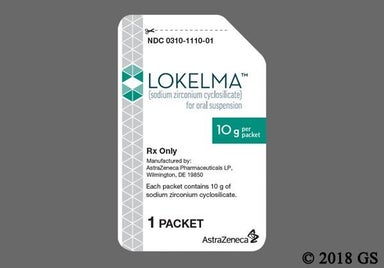
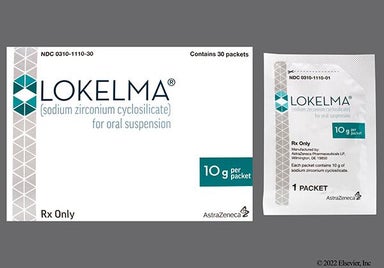
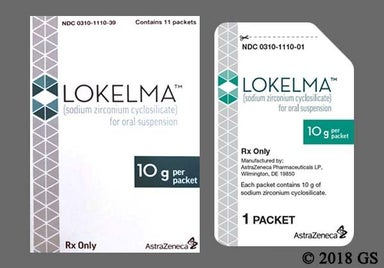
Lokelma images